The Complete Guide to Wedding Anniversary Gemstone by Year
Every wedding anniversary has a stone. Most couples know the famous ones — silver at twenty-five, ruby at forty, diamond at sixty — but the tradition actually assigns a gemstone or precious material to nearly every year of marriage, from gold in year one to the diamond jubilee six decades later. Used well, the list is a gift-giver’s cheat sheet: it hands you a meaningful theme every single year, and turns a lifetime of anniversaries into a slowly assembled treasure chest.
This guide covers the complete year-by-year gemstone chart, the stories behind the major milestones, and practical advice for turning each year’s stone into jewelry she (or he) will actually wear.
Where the Anniversary Gemstone Tradition Comes From
The oldest threads date to medieval central Europe, where husbands crowned wives with silver at twenty-five years and gold at fifty. The Victorians expanded the list, and in 1937 the American National Retail Jeweler Association formalized a material for nearly every year — the chart most jewelers still use. A “modern” list exists alongside the traditional one, and gemological associations later added a dedicated gemstone list. Where they disagree, this guide gives the version most useful for jewelry gifting.
The Complete Anniversary Gemstone Chart, Year by Year
| Year | Gemstone / Material | Year | Gemstone / Material |
|---|---|---|---|
| 1 | Gold jewelry | 14 | Opal |
| 2 | Garnet | 15 | Ruby |
| 3 | Pearl | 16 | Peridot |
| 4 | Blue topaz | 17 | Watch / Carnelian |
| 5 | Sapphire | 18 | Cat’s eye chrysoberyl |
| 6 | Amethyst | 19 | Aquamarine |
| 7 | Onyx | 20 | Emerald |
| 8 | Tourmaline | 25 | Silver (jubilee) |
| 9 | Lapis lazuli | 30 | Pearl (jubilee) |
| 10 | Diamond or blue sapphire | 35 | Emerald / Coral |
| 11 | Turquoise | 40 | Ruby |
| 12 | Jade | 45 | Sapphire |
| 13 | Citrine / Moonstone | 50 | Gold (golden jubilee) |
| 55 | Alexandrite / Emerald | ||
| 60 | Diamond (diamond jubilee) |
Beyond sixty: 65 is blue sapphire, 70 platinum, and 75 diamond again — years so rare that jewelers treat them as diamond-and-above by default.
The Early Years (1–10): Building the Collection
Year 1 — Gold. The tradition starts simply: a gold piece to begin the marriage’s jewelry story. A pendant, a bangle, or hoops all fit; engraving the wedding date starts the habit that makes this tradition sing.
Year 3 — Pearl. The first organic gem — grown by patience, which is the point. A freshwater strand or pearl studs are classic.
Year 5 — Sapphire. The stone of loyalty and trust, and the first “precious” stone on the chart. A blue sapphire ring or pendant is one of the best value-for-meaning gifts in the entire tradition.
Year 10 — Diamond or blue sapphire. The first major milestone offers a genuine choice, and couples agonize over it enough that we wrote a full comparison: Choosing the Perfect Gift for the 10th Anniversary: Diamond or Blue Sapphire? The short version — diamond for tradition and daily wear, sapphire for color and character — but the long version is worth the read.
The Middle Years (11–25): Color and Character
The teens are the tradition’s most colorful stretch — turquoise, jade, opal, ruby at fifteen, peridot at sixteen (a stone with a genuinely fascinating history; see our natural peridot guide). These years suit playful gifting: a right-hand ring in the year’s stone, colored-stone huggies, or a growing charm bracelet with one stone added per year — the single best long-game gifting strategy we know.
Year 20 — Emerald. The stone of growth and renewal for a marriage in full bloom. Emerald is softer than sapphire or ruby, so choose protective settings (bezels, halos) for rings, or move the stone to a pendant where life is gentler.
Year 25 — Silver. The first jubilee. Literal silver jewelry works, but many couples upgrade the theme to white gold or platinum — same silver look, heirloom durability.
The Great Milestones (30–60): The Jubilee Years
Year 30 — Pearl. The pearl jubilee calls for the best pearls of the collection: akoya or South Sea if the budget stretches, with a solid gold clasp.
Year 40 — Ruby. The great crimson milestone. Forty years earns the finest ruby affordable — and rubies reward research, because quality varies enormously; our guide to ruby gemstone rings, meaning and price covers exactly how to buy well.
Year 45 — Sapphire returns, forty years after its first appearance — many couples bookend by upgrading or resetting the fifth-anniversary sapphire.
Year 50 — Gold. The golden jubilee: yellow gold, unambiguously. Lockets, bangles, and signets engraved with the date are the classics.
Year 60 — Diamond. The summit. Sixty years of marriage is celebrated with the hardest, most enduring material on earth, and the gifts here tend toward the generational: reset family stones, engraved heirloom pieces, first-pick shopping trips. We cover the diamond years in depth in our guide to meaningful jewelry for diamond anniversaries and milestone birthdays.
How to Turn the Year’s Stone into a Gift That Lands
- Wearability first. Softer stones (opal, pearl, emerald, moonstone) belong in earrings and pendants; hard stones (diamond, sapphire, ruby) can live on hands. Matching stone hardness to jewelry type is the difference between an heirloom and a repair bill.
- Her metal, always. The year dictates the stone; her existing jewelry box dictates the metal. Check before buying.
- Tell the story on the card. “Sapphire is the fifth-year stone — loyalty and trust” turns a nice gift into a tradition. Most stones carry centuries of symbolism worth borrowing; our guide to crystal healing gemstones and their meanings is a rich source.
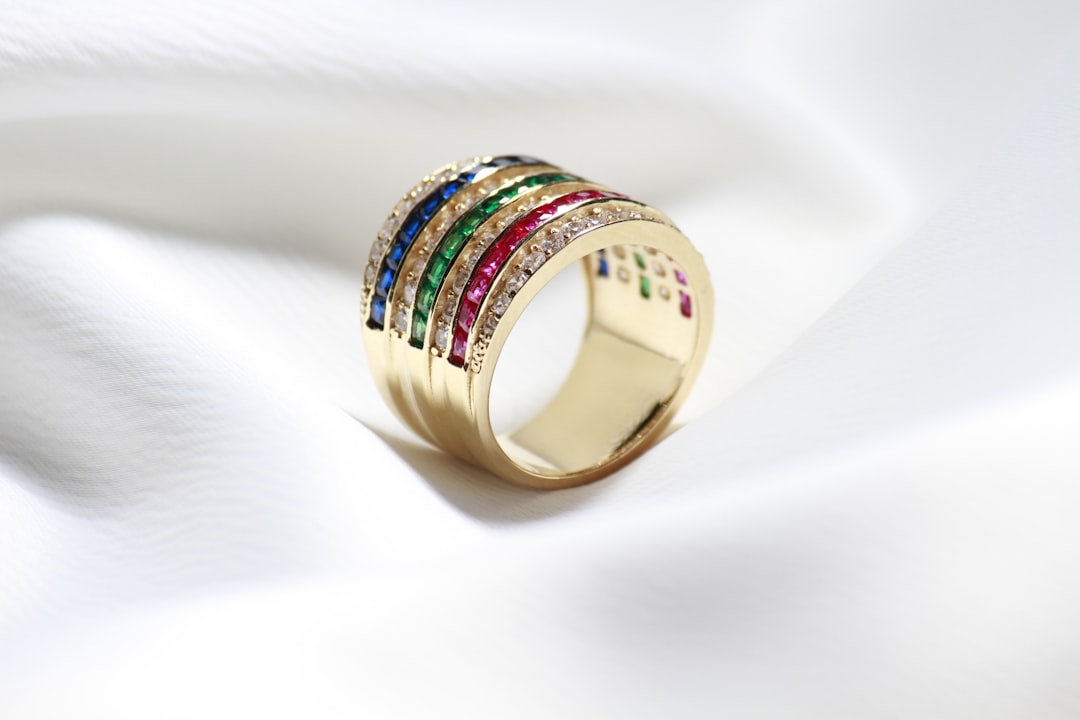
- Think in a series. The couples who use this tradition best treat it cumulatively: a charm per year, a stacked ring per five, an eternity band gaining stones. The collection becomes a wearable history of the marriage.
- Genuine over giant. A small real stone of the correct year beats a large imitation every time. This tradition is precisely about authenticity.
Frequently Asked Questions
What are the major anniversary gemstones by year?
The most celebrated are: sapphire (5th), diamond or blue sapphire (10th), ruby (15th and 40th), emerald (20th), silver (25th), pearl (30th), sapphire again (45th), gold (50th), and diamond (60th and 75th).
Is there a difference between traditional and modern anniversary gifts?
Yes — two parallel lists exist. The traditional list (used here) assigns materials and gemstones; the modern list, drawn up in the 20th century, assigns contemporary items like appliances and desk sets. For jewelry gifting, the traditional and gemstone lists are the ones to follow.
What if I missed earlier years’ stones?
The tradition is a menu, not a law. Many couples “catch up” with a multi-stone piece — an anniversary band carrying the stones of every fifth year so far is a spectacular way to compress two decades into one gift.
Which anniversary stones are hardest to buy well?
Opal (14th) and emerald (20th and 35th) — both beautiful, both fragile, and both markets full of treated or synthetic stones sold as natural. Buy from established jewelers, ask about treatments directly, and favor protective settings.
Final Thoughts
The anniversary gemstone tradition endures because it solves the hardest part of gifting — the idea — and leaves you the best part: the execution. Whatever year you are marking, there is a stone waiting with centuries of meaning already attached. Buy it genuine, set it in the metal they love, engrave the date, and tell the story on the card. Do that yearly, and by the diamond jubilee you will have built something no single gift can match: a marriage you can hold in your hands.
Photos by Edgar Soto, sameer Ali, Diego Castañeda and Deng Xiang on Unsplash.



3 Comments
Comments are closed.