Is 925 Sterling Silver Real Silver? What the Stamp Actually Means
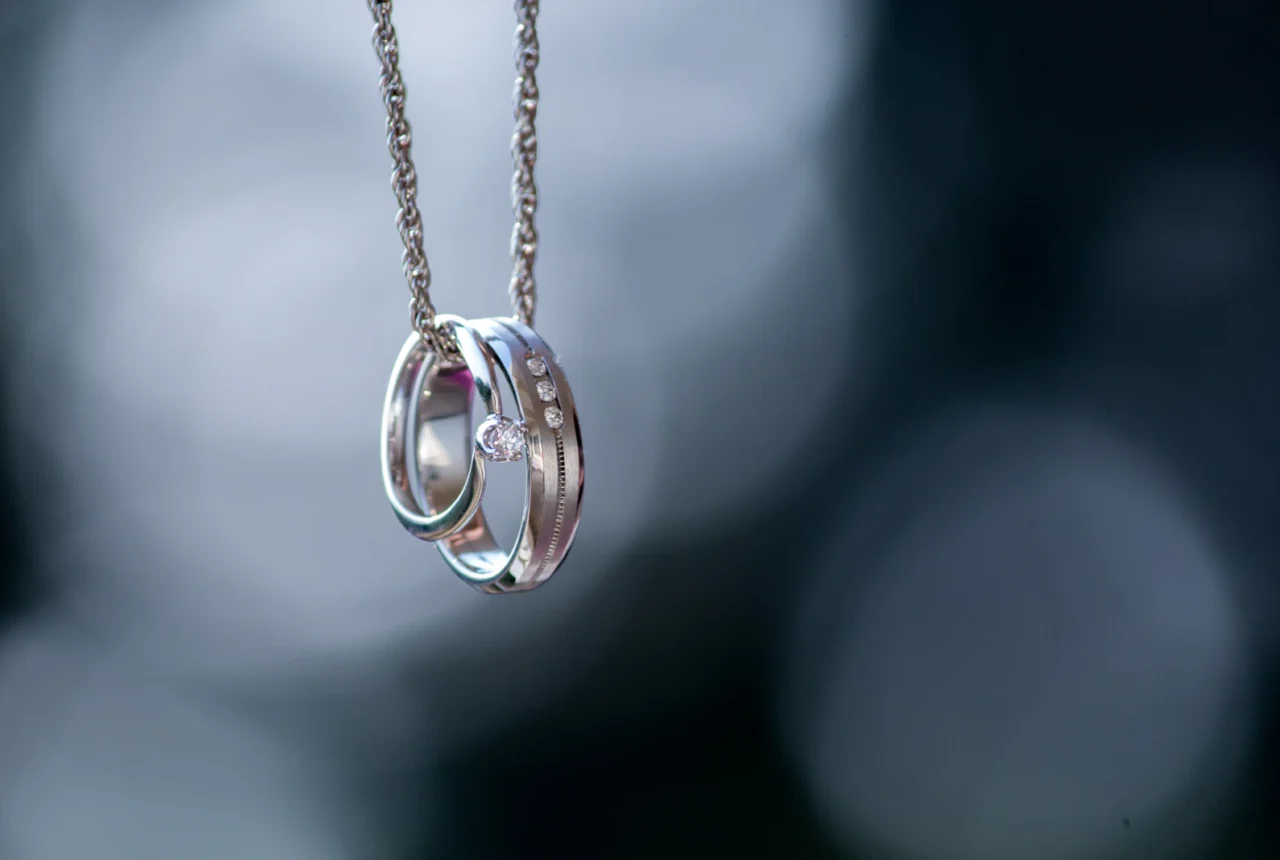
Yes, 925 sterling silver is real silver. The number means the metal is 92.5% pure silver, and the remaining 7.5% is other metals, most often copper, added because pure silver is too soft for jewelry that gets worn every day.
The confusion usually comes from the fact that sterling is not 100% silver, and from the many silver-looking metals sold alongside it. This guide explains what the stamp means, how sterling compares with fine silver, plated and nickel silver, and how to check a piece yourself.
What Does 925 Mean on Jewelry?
The 925 stamp is a purity mark. It says that 925 parts out of 1,000 are pure silver. You may also see it written as .925, 925 or the word STERLING. In the United States, an item marked sterling is expected to meet that standard, and the mark is usually placed on a clasp, the inside of a band or the back of a pendant.
Pure silver, called fine silver and marked 999, is very soft and bends easily. Alloying it with a small amount of copper gives sterling the strength to hold a shape in a ring, a chain or a clasp.
Sterling Silver vs Other Silver-Looking Metals
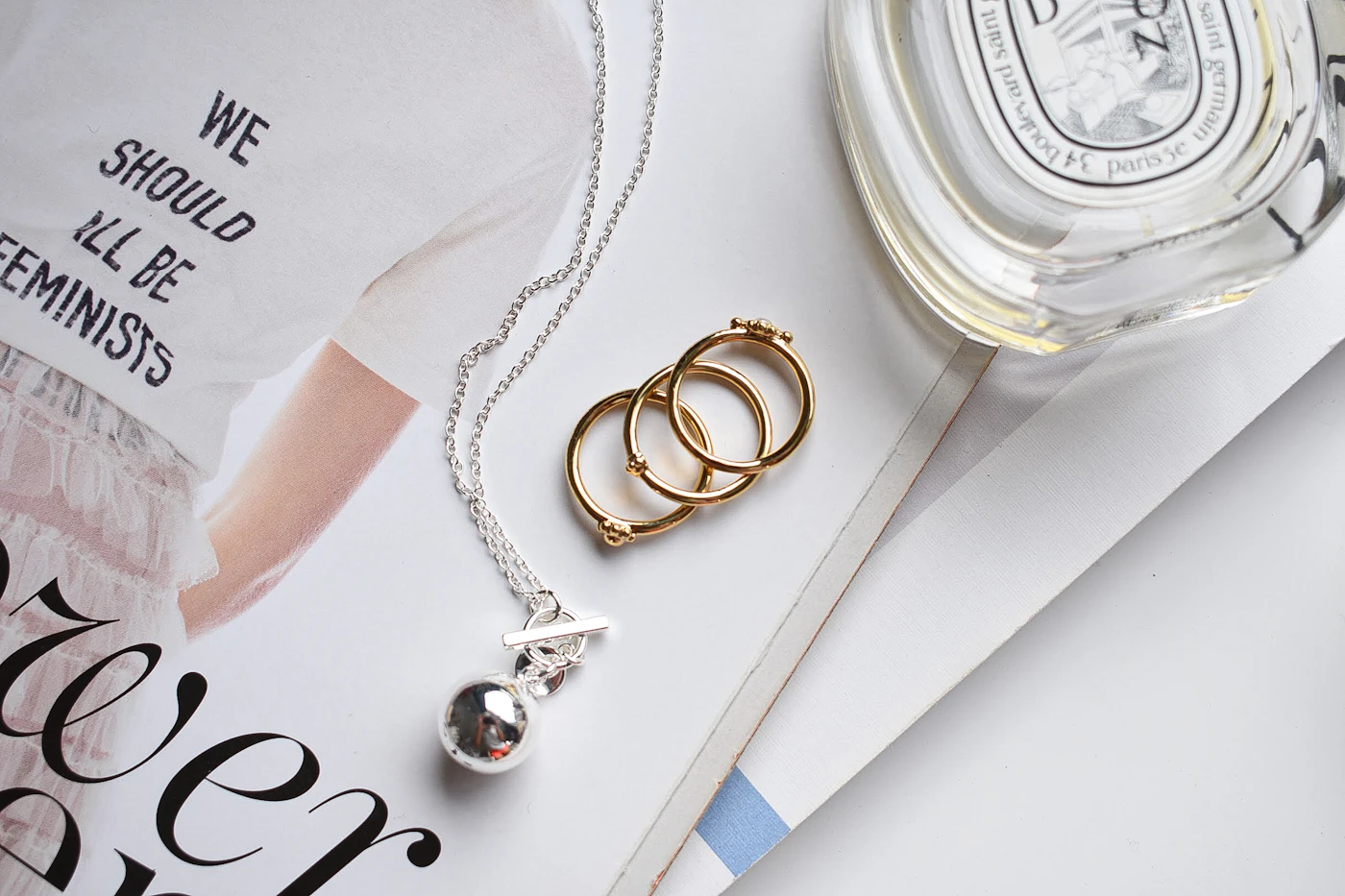
Many pieces look like silver but are something else. Here is how the common types compare:
| Type | Silver content | Common marks | Notes |
|---|---|---|---|
| Fine silver | 99.9% | 999, .999 | Very soft, used for small delicate pieces and bullion |
| Sterling silver | 92.5% | 925, .925, STERLING | Standard for quality silver jewelry |
| Silver-plated | Thin surface layer only | EP, EPNS, silver plate | Base metal underneath, coating wears off |
| Nickel silver (German silver) | 0% | Often none | Copper, nickel and zinc; no actual silver |
| Rhodium-plated silver | Sterling underneath | 925 plus plating | Plating adds shine and tarnish resistance |
Nickel silver is a good example of misleading naming. Despite the word silver, it contains none, and the nickel can bother sensitive skin.
Why Is There Copper in Sterling Silver?
The copper is not a sign of a fake. It is the reason sterling works for rings, bracelets and chains. The trade-off is that copper reacts with air and moisture, so sterling gradually darkens. That is normal tarnish, not proof the piece is fake. Tarnish sits on the surface and can be polished away. If you notice green marks on the skin, our guide to why jewelry turns skin green explains the chemistry.
How to Tell If Your Silver Is Real
Look for the Stamp
Check the clasp, the ring interior and the back of pendants for 925 or STERLING. A stamp is a good sign but not a guarantee, since marks can be faked on cheap goods. Buy from sources that are clear about materials.
Check for Tarnish
Real sterling tarnishes to a gray or black film over time. Wipe a piece with a soft white cloth: dark marks on the cloth suggest silver. Plated pieces may instead flake or show a different color underneath.
Try a Magnet
Silver is not magnetic. If a strong magnet grips your piece, it likely has a steel or iron core, although a non-magnetic result does not prove it is silver. The same idea is covered in our post on whether gold is magnetic.
Use a Jeweler’s Test
A jeweler can use acid testing or an XRF analyzer to measure silver content quickly. This is the most reliable option for valuable or inherited pieces.
Is Sterling Silver Good for Everyday Jewelry?
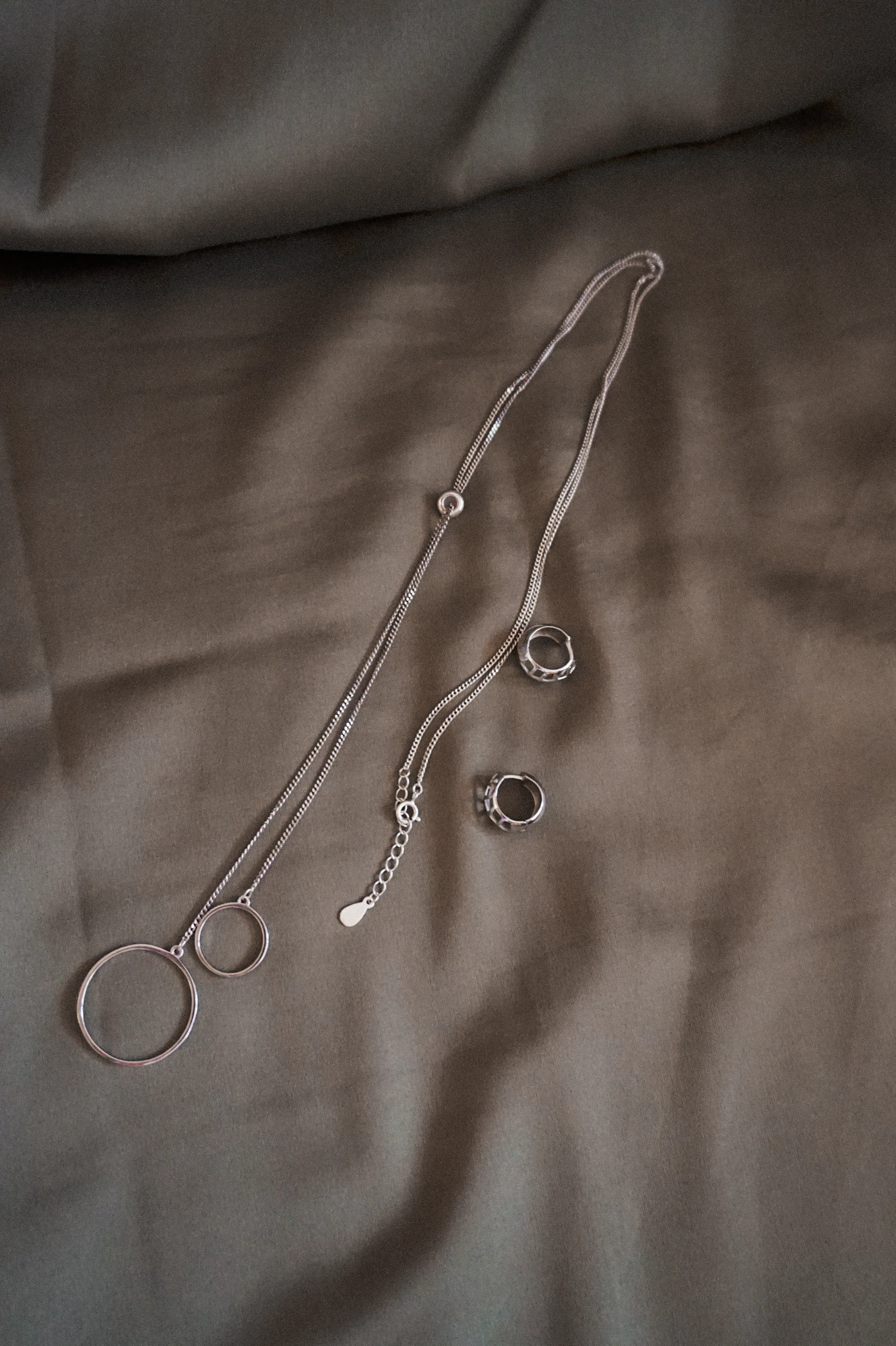
Yes, with a little care. Sterling is strong enough for daily wear, but it scratches more easily than gold and tarnishes when exposed to humidity, perfume and sweat. It is usually safe for people without a copper sensitivity. If you are choosing between silver and gold for your coloring, see whether gold or silver suits your skin undertone. For a broader look at how precious metal finishes hold up, our comparison of solid gold, gold-filled, gold-plated and vermeil is a helpful companion.
Practical Care Tips
- Store sterling in a dry place, ideally in a sealed bag with an anti-tarnish strip.
- Put jewelry on last, after perfume, hairspray and lotion.
- Take it off before swimming, since chlorine can damage silver.
- Polish with a silver cloth rather than harsh abrasives.
- Wear it often: skin oils slow tarnishing.
- Follow the basic steps in how to clean jewelry at home for a safe routine.
Frequently Asked Questions
Is 925 silver the same as pure silver?
No. Pure or fine silver is 99.9% silver. Sterling silver is 92.5% silver with other metals added for strength.
Does sterling silver have any value?
It has value based on its silver weight, plus the design and craftsmanship. It is worth less than gold, but it is real precious metal and can be resold or melted.
Can real sterling silver turn black?
Yes. Tarnish is a natural reaction of silver and copper with sulfur in the air. It can be cleaned off.
Is 925 silver hypoallergenic?
Not always. Most people tolerate it, but the copper in the alloy can irritate a small number of wearers. Some sterling is also nickel-free or rhodium-plated to reduce reactions.
Does 925 sterling silver rust?
No. Silver does not rust, because rust is specific to iron. It tarnishes instead, which is a surface change.


1 Comment
Comments are closed.