
Why Does Jewelry Turn Your Skin Green? And How to Stop It
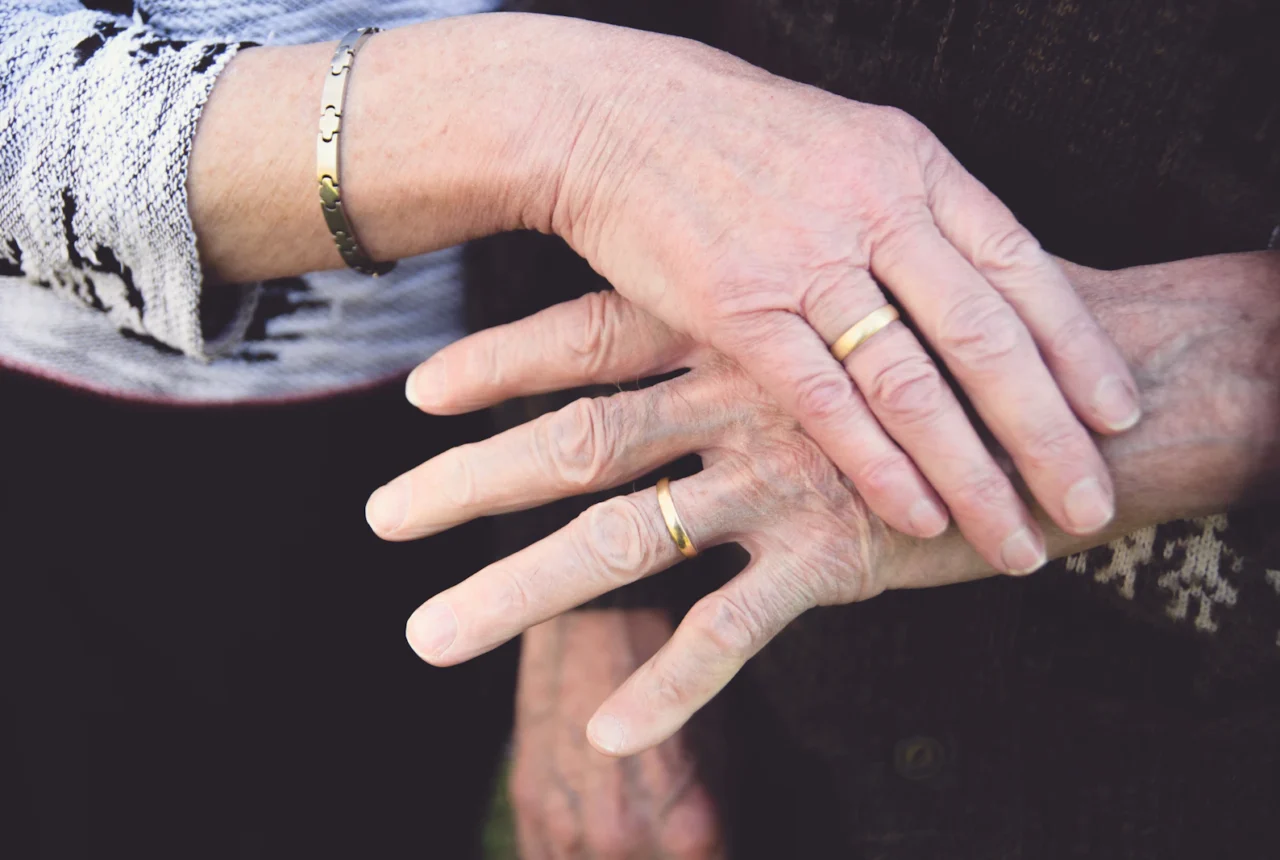
You take off a ring after a warm day and there is a green band around your finger. The immediate assumption is that the jewelry was fake, or cheap, or that something is wrong with you.
Neither is quite right. The green mark is a chemical reaction between copper and your own skin, and it happens with real gold as well as costume pieces. Here is what is actually going on, and what stops it.
The Short Answer: It Is Copper
Almost every case of green skin comes down to copper.
Copper reacts with acids and salts, and human sweat contains both. When copper in a piece of jewelry meets the moisture on your skin, it oxidises and forms copper salts, chiefly copper chloride and copper carbonate. Those salts are green, they are water soluble, and they transfer straight onto your skin.
It is the same reaction that turns the Statue of Liberty green, running on a much smaller scale on your finger. Nothing has gone wrong; copper is simply behaving the way copper behaves.
The reason it surprises people is that copper is present in far more jewelry than most realise, including pieces that are genuinely valuable.
Which Metals Turn Skin Green
| Metal | Turns Skin Green? | Why |
|---|---|---|
| Brass and bronze | Yes, quickly | Copper alloys. The most common cause in costume jewelry |
| Copper | Yes, always | Pure copper, reacts readily with sweat |
| Gold plated | Yes, once the plating wears | Thin gold over a brass or copper base |
| 10k gold | Sometimes | Only 41.7% gold; the rest includes copper |
| 14k gold | Occasionally | 58.3% gold, with copper in the alloy |
| 18k gold | Rarely | 75% gold, much less copper |
| 24k gold | No | Pure gold does not react |
| Rose gold | Yes, more than yellow | Its pink colour comes from a high copper content |
| Sterling silver | Sometimes green, often black | 7.5% copper in the alloy, plus silver tarnish |
| Gold vermeil | No | Sterling silver base, no brass or copper core |
| Gold filled | Rarely | Thick bonded gold layer; only after it wears through |
| Platinum | No | Chemically inert |
| Stainless steel | No | No copper content |
| Titanium and niobium | No | Inert and biocompatible |
Two entries on that list surprise people. Rose gold is one of the worst offenders precisely because copper is what makes it pink. And solid 14k gold can absolutely leave a mark, because well over a third of it is not gold. If you are unclear what your pieces actually are, our guide to solid gold, gold filled, vermeil and gold plated explains how to read the hallmark.

Why It Happens to You and Not Your Friend
The same ring can mark one person and never touch another. Several factors decide it, and none of them are within your control.
- Skin pH. More acidic skin accelerates the reaction considerably. This is the single biggest variable between people.
- How much you sweat. More moisture means more reaction, which is why the marks appear in summer and after exercise.
- Humidity and climate. A ring that is fine all winter can mark daily in a humid August.
- Lotions, sunscreen and perfume. Many contain acids or salts that speed up oxidation, and they collect underneath a ring band.
- Medication and hormones. Some medications alter sweat composition. Pregnancy and hormonal changes shift skin pH too, which is why people sometimes react to a ring they have worn for years.
- Where you wear it. Rings mark most, because fingers sweat and the metal is pressed tight against the skin. Earrings mark least.
Green Marks Versus Black Marks
Not every stain is copper. If the mark is black or dark grey rather than green, the cause is usually different.
Black marks from silver are silver sulfide, the same tarnish that forms on silverware, transferring onto skin. It is more common in humid conditions and around sulfur-containing cosmetics.
Black smudges from any metal can also be metallic abrasion: fine particles worn off the jewelry by makeup, which contains mineral abrasives like titanium dioxide and zinc oxide. If black marks appear where you apply foundation, this is almost certainly the cause, and it is harmless.
Is It Dangerous?
No. The green stain itself is harmless and washes off with soap and water. It is a cosmetic annoyance rather than a health issue.
What is worth distinguishing is an allergic reaction, which is a different problem with different symptoms. A copper stain is a green mark on otherwise normal skin. An allergy, usually to nickel, produces itching, redness, a raised rash, sometimes blistering or weeping, and it persists after the jewelry is removed.
Nickel allergy affects a significant share of the population and is the most common contact allergy worldwide. If your skin is reacting rather than just staining, switch to implant-grade titanium, niobium, platinum, surgical steel marked nickel-free, or solid gold at 14k and above, and see a doctor if the rash is severe or does not settle.
Six Ways to Stop Jewelry Turning Your Skin Green
1. Keep the piece dry
The reaction needs moisture. Remove rings before washing your hands, showering, swimming and exercising, and dry them thoroughly if they do get wet. This single habit prevents most cases.
2. Put jewelry on last
Apply lotion, sunscreen, perfume and hairspray first, let them absorb fully, then put jewelry on. Products trapped under a band are a major accelerant.
3. Apply a barrier coat
A thin layer of clear nail polish on the inside surface of a ring or the back of a pendant creates a physical barrier between copper and skin. It works well, but it wears off within a few weeks and needs reapplying, and it will look untidy on a piece where the inside is visible. Purpose-made jewelry sealants and barrier sprays last longer and are worth it for a favourite piece.
Do not do this to fine jewelry. Nail polish is difficult to remove cleanly from detailed settings and the solvent can damage some stones.
4. Clean the jewelry regularly
Oxidation builds up on the metal surface and transfers more readily once it has. Wiping pieces after wear and cleaning them periodically slows the whole process. Our guide to cleaning jewelry at home covers the safe method for each material, including the important warning that plated pieces must never be soaked.
5. Store it properly
Airtight bags or a sealed box slow oxidation between wears. Humidity in a bathroom does the opposite.
6. Buy metals that cannot do it
The permanent fix. Platinum, stainless steel, titanium, niobium, 18k gold and gold vermeil have either no copper or too little to matter. Gold vermeil is the useful discovery for most people: it looks like gold, costs a fraction of solid gold, and because its base is sterling silver rather than brass, it will not leave green marks even once the plating thins.
How to Remove the Green Stain
Soap and warm water removes most of it. For a stubborn mark, rubbing alcohol on a cotton pad lifts the copper salts quickly, or a paste of baking soda and water rubbed gently will do the same. Follow with moisturiser, since both dry the skin.
The stain will fade on its own within a day even if you do nothing.
What to Buy Instead
If green marks are a recurring problem, the fix is at the point of purchase rather than in aftercare.
For everyday pieces that live against skin, gold filled offers the best balance: the gold layer is often twenty to a hundred times thicker than standard plating, so the brass core stays sealed for years. Gold vermeil is the better choice for detailed and gemstone-set designs, and its silver base is skin-safe from the start. For anyone with genuinely reactive skin, solid 18k gold, platinum or titanium end the problem permanently.
Rose gold deserves a specific warning: it is beautiful and it is the highest-copper gold on the market. If you know your skin reacts, choose yellow or white gold instead, and see our guide to which metal suits your skin undertone for what will flatter you.
Frequently Asked Questions
Does real gold turn your skin green?
It can. Pure 24k gold never will, but 10k and 14k gold contain copper in the alloy and occasionally leave marks on acidic or damp skin. 18k rarely does. A green mark is not proof that gold is fake.
Why did a ring I have worn for years suddenly start turning my finger green?
Usually a change in you rather than in the ring: skin pH shifts with hormones, medication, diet and climate. If the piece is plated, it may also have simply worn through to the base metal.
Does sterling silver turn skin green?
Sometimes. Sterling is 92.5% silver and 7.5% other metals, usually copper, so it can leave a faint green mark. More often it leaves a black mark, which is silver tarnish rather than copper.
Does clear nail polish actually work?
Yes, as a temporary barrier on costume jewelry. It wears off within a few weeks and needs reapplying. Do not use it on fine jewelry, where it is hard to remove cleanly.
Which metals never turn skin green?
Platinum, titanium, niobium, stainless steel, 24k gold and gold vermeil. All are either inert or contain no copper against the skin.
Is the green stain harmful?
No. It is a harmless cosmetic reaction that washes off. Itching, redness or a rash is a different issue, usually a nickel allergy, and needs a metal change rather than a barrier coat.


4 Comments
Comments are closed.