February Birthstone Rings: How to Choose an Amethyst Ring
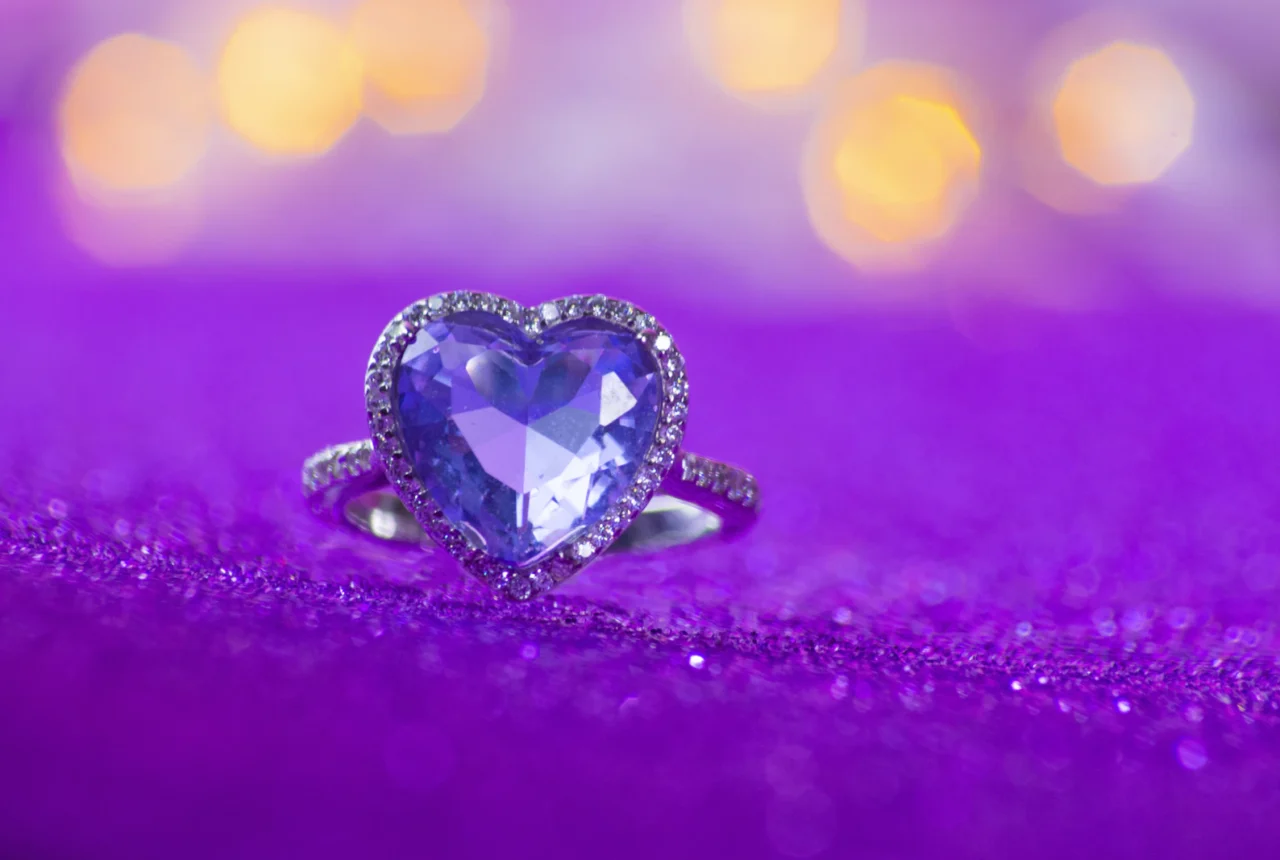
February birthstone rings are set with amethyst, the purple variety of quartz. At 7 on the Mohs scale, amethyst is hard enough for everyday rings, it comes in large clean sizes at modest prices, and its color runs from soft lilac to deep royal purple. The main things to get right are color, cut, a protective setting and keeping the ring out of long, strong sunlight, which can slowly fade some stones.
Below you will find how amethyst color is judged, how it compares with other ring stones for durability, which settings and metals suit it, what to expect to pay, and how to think about lab-grown versus natural amethyst. For the full list of monthly stones, see our birthstones by month guide.
What Is the February Birthstone?
Amethyst is both the modern and traditional birthstone for February. It is a crystalline quartz colored purple by traces of iron combined with natural irradiation in the earth. Because quartz is one of the most abundant minerals on the planet, amethyst that would once have been reserved for royalty and clergy is now available at almost every price point.
Unlike January, where the garnet family offers many colors (see our January birthstone rings guide), February is essentially a one-color month. The choices come down to shade and tone within the purple range:
- Deep purple: the most valued shade, often with flashes of red or blue. The trade name Siberian is used for this top color, regardless of where the stone was mined.
- Medium purple: the most common commercial color, bright and easy to wear.
- Lilac or Rose de France: pale pinkish lavender, popular in vintage and pastel designs.
- Green amethyst (prasiolite): a green quartz, usually produced by heating certain amethyst. It is sometimes sold as a February stone, but strictly speaking it is no longer purple amethyst.
Is Amethyst Durable Enough for Daily Wear?
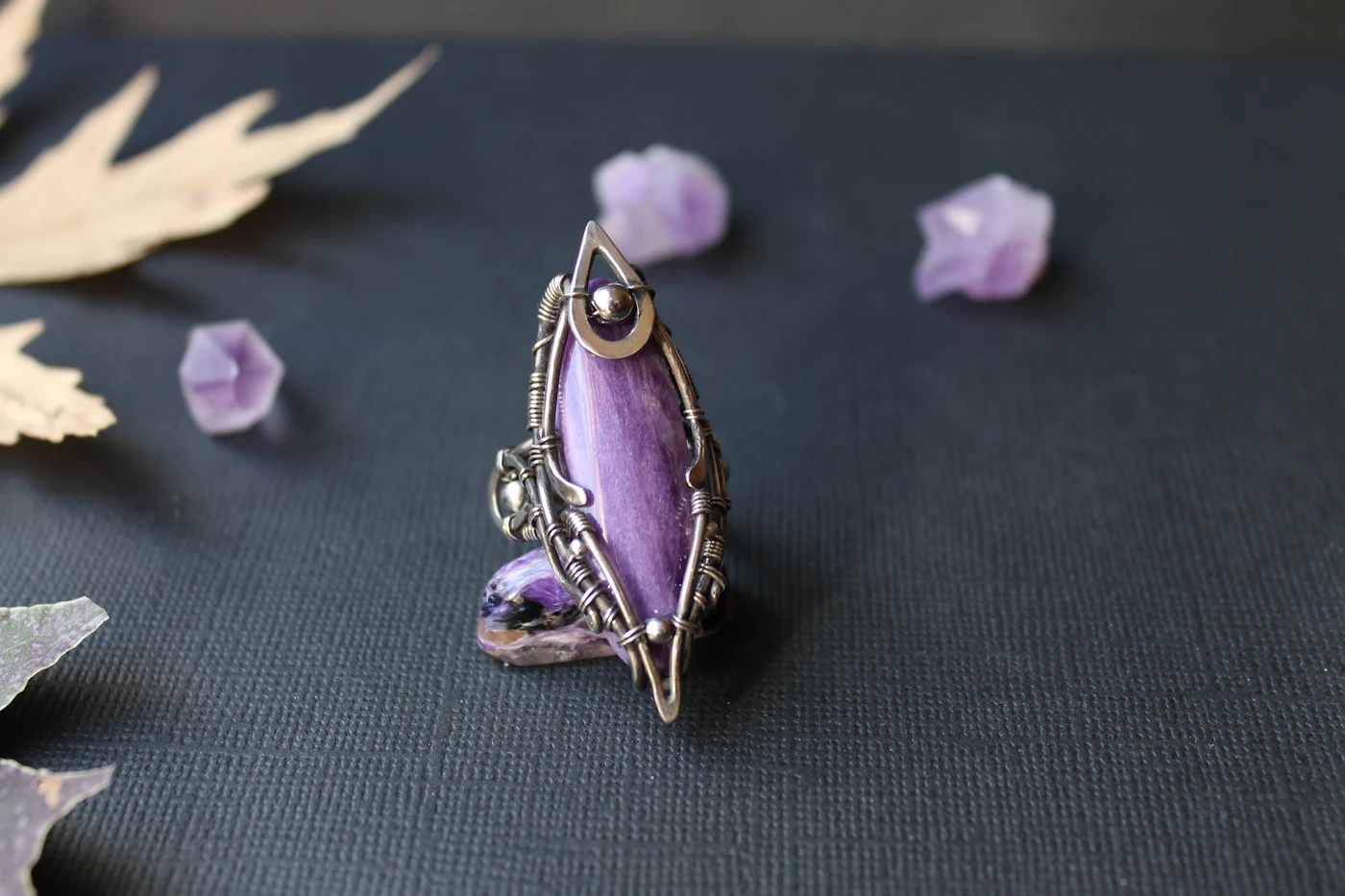
Amethyst sits at 7 on the Mohs scale, the same as all quartz. Everyday dust contains quartz particles of the same hardness, so repeated friction and knocks will gradually dull facet edges over years of wear. It has no distinct cleavage, so it is reasonably tough against chipping, but a hard blow on a sharp corner can still cause damage.
| Stone | Mohs hardness | Everyday ring suitability |
|---|---|---|
| Diamond | 10 | Excellent |
| Sapphire and ruby | 9 | Excellent |
| Garnet | 6.5 to 7.5 | Good |
| Amethyst (quartz) | 7 | Good with some care |
| Tanzanite | 6 to 7 | Fair; protective setting advised |
| Opal | 5.5 to 6.5 | Fair; best for occasional wear |
In practice, an amethyst ring worn every day will look good for many years if it is set well and removed for rough tasks. Expect the facet edges to soften eventually; a jeweler can repolish the stone if needed.
Fading and heat
Some amethyst can lighten after long exposure to strong sunlight or heat. It is not something you will notice from normal wear, but it is a good reason not to leave the ring on a sunny windowsill or near a heat source. Avoid jeweler’s torches near the stone during repairs; ask the jeweler to remove it or protect it first.
Settings That Suit Amethyst Rings
- Prong solitaire: shows off the color and lets light in. Six prongs protect corners better than four.
- Bezel: the best choice for daily wear and for pointed shapes such as pear and marquise.
- Halo: small diamonds or white sapphires around the amethyst add sparkle and protect the girdle.
- Three-stone: amethyst flanked by diamonds or other birthstones, a popular anniversary and family ring format.
- Cocktail or statement ring: amethyst is one of the few gems affordable in 10 carats and up, so it is a favorite for large statement rings. Keep these for occasional wear, as big stones take more knocks.
Cut and shape
Because amethyst is inexpensive per carat, cutters can prioritize beauty over weight, so good cuts are easy to find. Ovals, cushions and emerald cuts are classic; checkerboard-cut tops add sparkle to large stones. Watch for color zoning, where purple appears in bands or patches with paler areas between them. A well-cut stone hides this when viewed face-up.
Best Metals for February Birthstone Rings
Amethyst suits both warm and cool metals, so the choice mostly depends on your skin tone and the jewelry you already wear. If you are unsure which suits you, our guide on choosing gold or silver for your skin undertone can help.
- Yellow gold creates a rich, regal contrast and suits deep purple stones.
- Rose gold pairs beautifully with pale lilac and Rose de France amethyst.
- White gold and platinum give a crisp, modern look and make medium purples read brighter.
- Sterling silver is the most affordable option and very common for amethyst; it tarnishes and wears faster than gold, so plan for occasional polishing.
How Much Does an Amethyst Ring Cost?
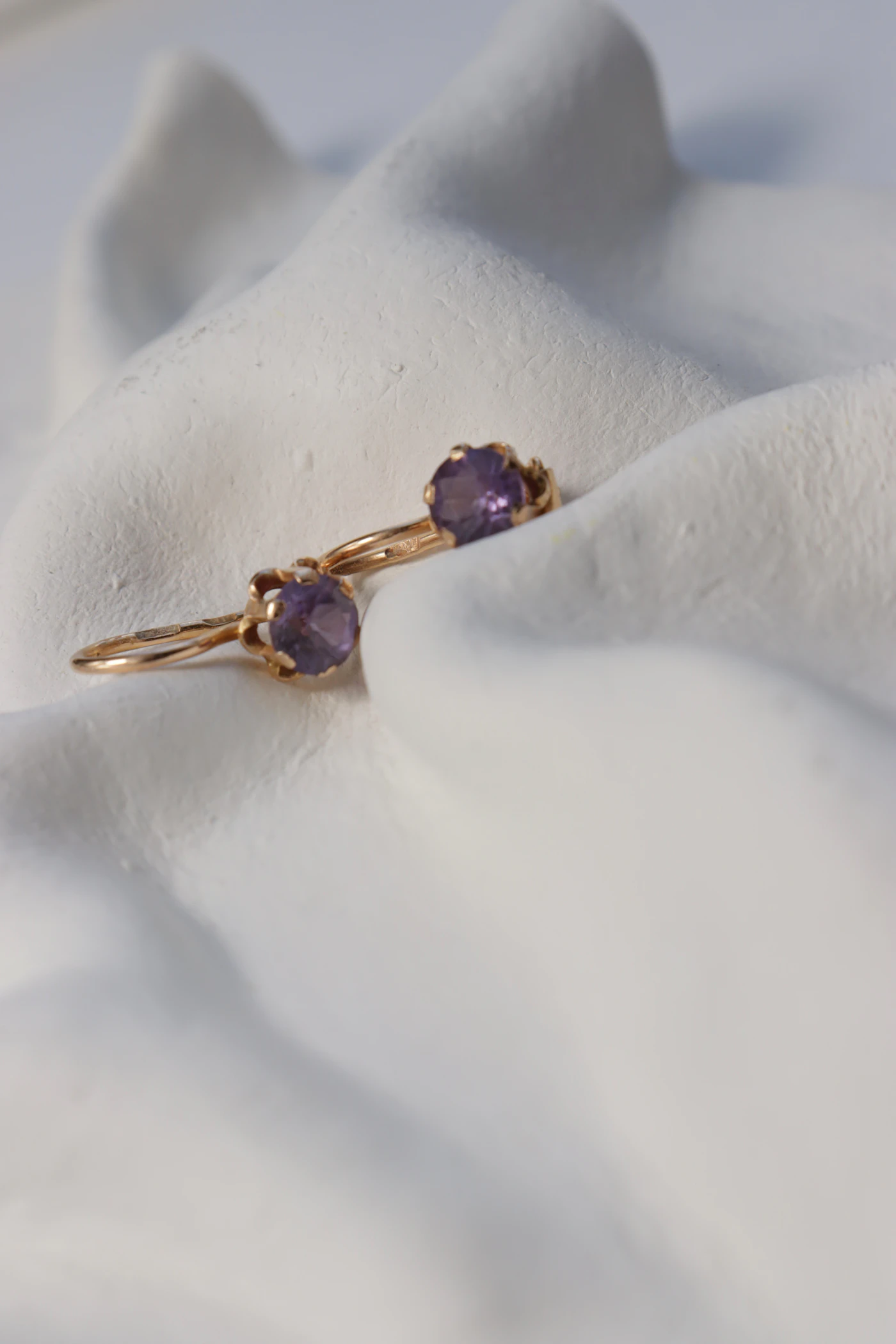
Amethyst is one of the best-value colored gems. Loose commercial amethyst often costs only a few dollars to a few tens of dollars per carat, and even fine deep-purple material usually stays well below the per-carat price of sapphire or tanzanite. Most of the ring price therefore comes from the metal, any accent diamonds and labor.
- Sterling silver amethyst ring: roughly $30 to $200.
- 10k or 14k gold solitaire: roughly $150 to $800.
- 14k or 18k gold with diamond halo or side stones: roughly $500 to $2,500.
- Large cocktail ring in gold: roughly $400 to $3,000, depending on gold weight and design.
Natural, Lab-Grown and Treated Amethyst
Lab-grown (synthetic) amethyst is real quartz grown in a lab by the hydrothermal method. It has the same hardness and appearance as natural amethyst and is common in lower-priced jewelry. It can be very hard to separate from natural stones without lab testing, so if natural origin matters to you, buy from a seller who discloses it and ask for a lab report on higher-value stones.
Heat treatment is sometimes used to lighten overly dark amethyst or to turn it into citrine or green prasiolite. It is stable and widely accepted, but it should be disclosed.
Imitations include purple glass and cubic zirconia. Glass is softer, scratches easily and may show round bubbles under magnification. A price that looks too good even for amethyst is a warning sign.
Popular February Birthstone Ring Styles
- Oval amethyst solitaire in yellow gold, a classic birthday or graduation gift.
- Vintage-inspired amethyst with a milgrain diamond halo.
- Thin stackable bands with a single small amethyst, easy to mix with other birthstone bands.
- Amethyst engagement rings in bezel or halo settings for couples who want color on a budget.
- Bold cocktail rings with large emerald-cut or cushion amethysts.
February birthdays fall under Aquarius and Pisces, so if you are buying a gift, our ideas on jewelry for Pisces women may help you narrow the style.
Practical Tips for Buying and Wearing an Amethyst Ring
- View the stone face-up in daylight and indoor light to check for color zoning and how dark the stone looks.
- Choose medium-to-deep purple for the best value-to-beauty ratio; very dark stones can look inky at night.
- Pick a bezel or halo if you plan to wear the ring every day or have an active job.
- Confirm your size before ordering, especially for eternity-style bands. Our ring size guide shows how to measure at home.
- Keep it out of strong sun and heat for long periods to reduce any risk of fading.
- Clean with warm soapy water and a soft brush; avoid steam cleaners and harsh chemicals.
- Store it apart from diamonds and sapphires, which can scratch quartz.
Frequently Asked Questions
What is the February birthstone?
Amethyst, the purple variety of quartz, is the modern and traditional February birthstone.
Can you wear an amethyst ring every day?
Yes. At Mohs 7, amethyst handles daily wear well in a protective setting. Take it off for gym sessions, gardening and heavy cleaning.
Does amethyst fade?
Some amethyst can lighten with prolonged exposure to strong sunlight or heat. Normal wear will not cause noticeable fading, but do not store it in direct sun.
Is lab-grown amethyst real amethyst?
Yes. Lab-grown amethyst is chemically and physically quartz, just like natural amethyst. It should be sold as lab-grown or synthetic and priced lower than natural stones of the same quality.
How much should an amethyst ring cost?
Silver amethyst rings often cost under $200, while gold rings typically range from about $150 to $800, rising with diamond accents and heavier gold.
Is amethyst a good engagement ring stone?
It can be, especially in a bezel or halo setting, but it is softer than sapphire or diamond and will likely need repolishing after years of daily wear.