Emerald Birthstone Jewelry: Meaning, Grades, Treatments & Care
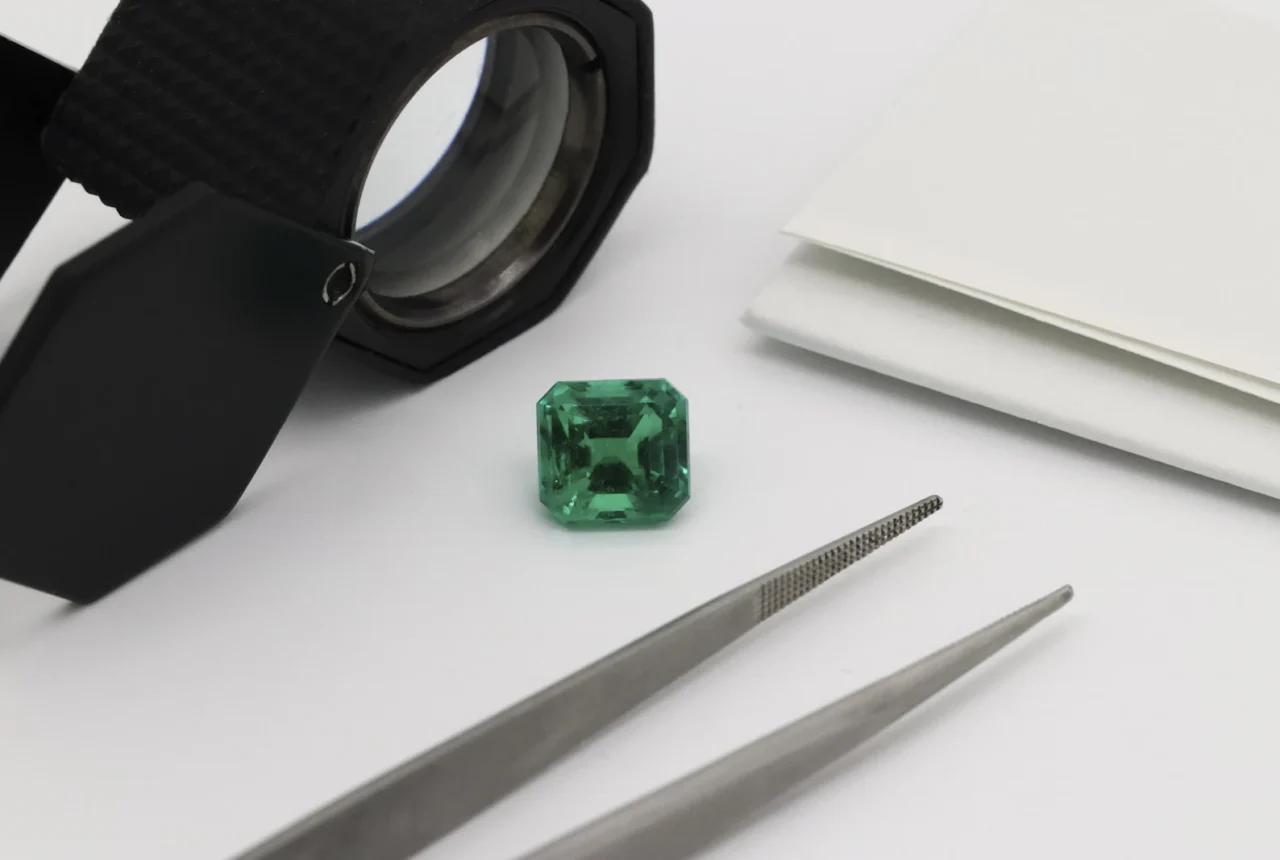
Emerald birthstone jewelry is set with emerald, the green variety of the mineral beryl and the official birthstone for May. Its value depends mostly on color: the most prized stones are a pure, vivid green to slightly bluish green with medium-dark tone. Nearly all emeralds contain inclusions and most are treated with oil or resin to improve clarity, which is normal but should always be disclosed. With a hardness of 7.5 to 8 on the Mohs scale but relatively low toughness, emerald suits pendants and earrings especially well and needs gentle care in rings.
This guide covers what emerald means, how it is graded, the treatments you will meet, how to tell natural from lab-grown or fake stones, and how to look after emerald necklaces, earrings and rings. It is the gemstone-focused companion to our ring buying advice; for how emerald compares with the other months, see birthstones by month.
Emerald Meaning and Symbolism
Emerald has long been associated with spring, renewal and growth, which fits its place as the May birthstone. It is traditionally linked with love, loyalty and wisdom, and in many cultures green stones were believed to bring calm and clear thinking. Emerald is also a traditional anniversary gem, most often given for the 20th and 35th anniversaries; our anniversary gemstones by year chart lists the full sequence.
In Western astrology, emerald is frequently associated with Taurus, the spring earth sign. If you are shopping for a Taurus birthday, our guide to jewelry for Taurus women has more ideas.
How Emeralds Are Graded
Emeralds are judged on the same broad factors as other colored gems, but color carries far more weight than clarity or carat.
Color
Emerald gets its green from traces of chromium, vanadium or both. Graders look at hue (the green itself), tone (how light or dark) and saturation (how intense). The ideal is a strong, even green, neither too yellow nor too blue, and not so dark that it looks blackish. Very pale green beryl is usually sold as green beryl rather than emerald, and the dividing line varies between labs.
Clarity
Inclusions are expected in emerald. Gemologists sometimes call them the jardin, French for garden, because of their mossy look. Eye-clean emeralds are rare and priced accordingly. What matters most is that inclusions do not reach the surface in ways that threaten durability or dull the stone.
Cut and Origin
The step-cut rectangle with cropped corners is called the emerald cut because it was developed for this stone: it shows off color and protects the corners from chipping. Origin can also influence price. Colombia is historically the best-known source, and Zambia and Brazil are major producers too. Origin alone does not make a stone good or bad, but stones with a lab origin report often command higher prices.
Emerald Treatments You Should Know About
Treatment is the single most important thing to understand before buying emerald jewelry. Most emeralds have surface-reaching fractures that are filled to make them less visible.
| Treatment | What it does | Stability | Effect on value |
|---|---|---|---|
| None (untreated) | Stone is as mined, cut and polished | Stable | Highest premium; needs a lab report |
| Minor oiling | Colorless oil fills tiny fractures | Can dry out over years; can be re-oiled | Widely accepted, small discount |
| Moderate to significant filling | Oil or resin fills larger fractures | Resin more durable than oil but can cloud | Noticeably lower value |
| Colored oil or dye | Adds green color to weak stones | Can fade or leach | Much lower value; must be disclosed |
| Coating or backing | Surface film or foil improves color | Wears off | Low value |
Lab reports often describe clarity enhancement as none, minor, moderate or significant. For a meaningful purchase, ask for that level in writing.
Natural vs Lab-Grown Emerald vs Fakes
- Natural emerald: mined, nearly always included, usually clarity-enhanced.
- Lab-grown emerald: real emerald with the same chemistry and hardness, grown by flux or hydrothermal methods. Often cleaner and brighter than natural stones at a fraction of the price. It is a genuine emerald, just not a mined one.
- Simulants: green glass, green cubic zirconia or other green stones sold to look like emerald. They are not beryl at all.
- Composite stones: doublets or triplets made from colorless or pale material glued with a green layer. Viewed from the side, you may see a join line.
Warning signs include a perfectly clean, very bright stone at a low price, round gas bubbles (typical of glass) and a color that looks the same from every angle. A gemological lab report is the only reliable way to confirm natural origin.
What Does Emerald Jewelry Cost?
| Emerald type | Typical price per carat (USD) |
|---|---|
| Lab-grown emerald | Roughly $50 to $400 |
| Commercial natural (lighter or heavily included) | Roughly $50 to $500 |
| Good natural, moderate treatment | Roughly $500 to $3,000 |
| Fine natural, minor or no treatment | Roughly $3,000 to $10,000 or more |
Small emerald accents in a silver or gold setting can be very affordable, which is why emerald stud earrings and slim pendants are popular May birthday gifts.
Best Types of Emerald Jewelry
Necklaces and Pendants
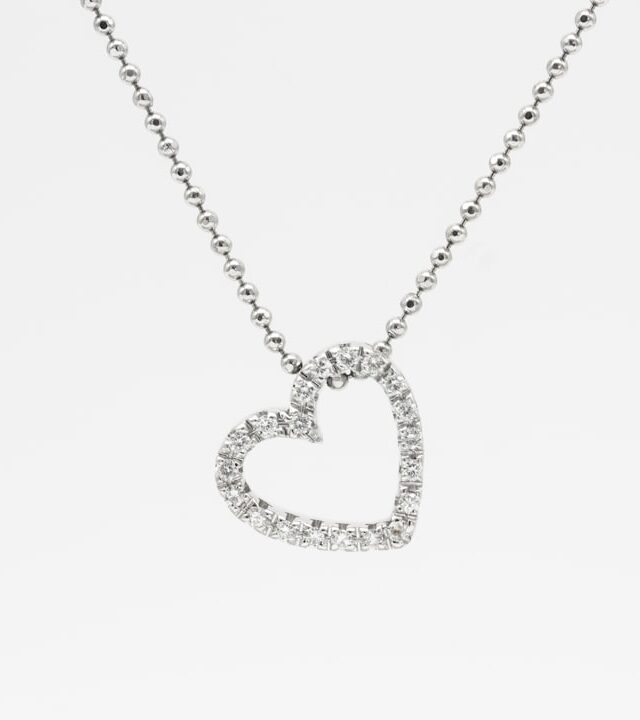
Pendants protect the stone from knocks and let you choose a larger emerald for the budget. A 16 to 18 inch chain sits the pendant near the collarbone; see our necklace length chart to pick the drop.
Earrings
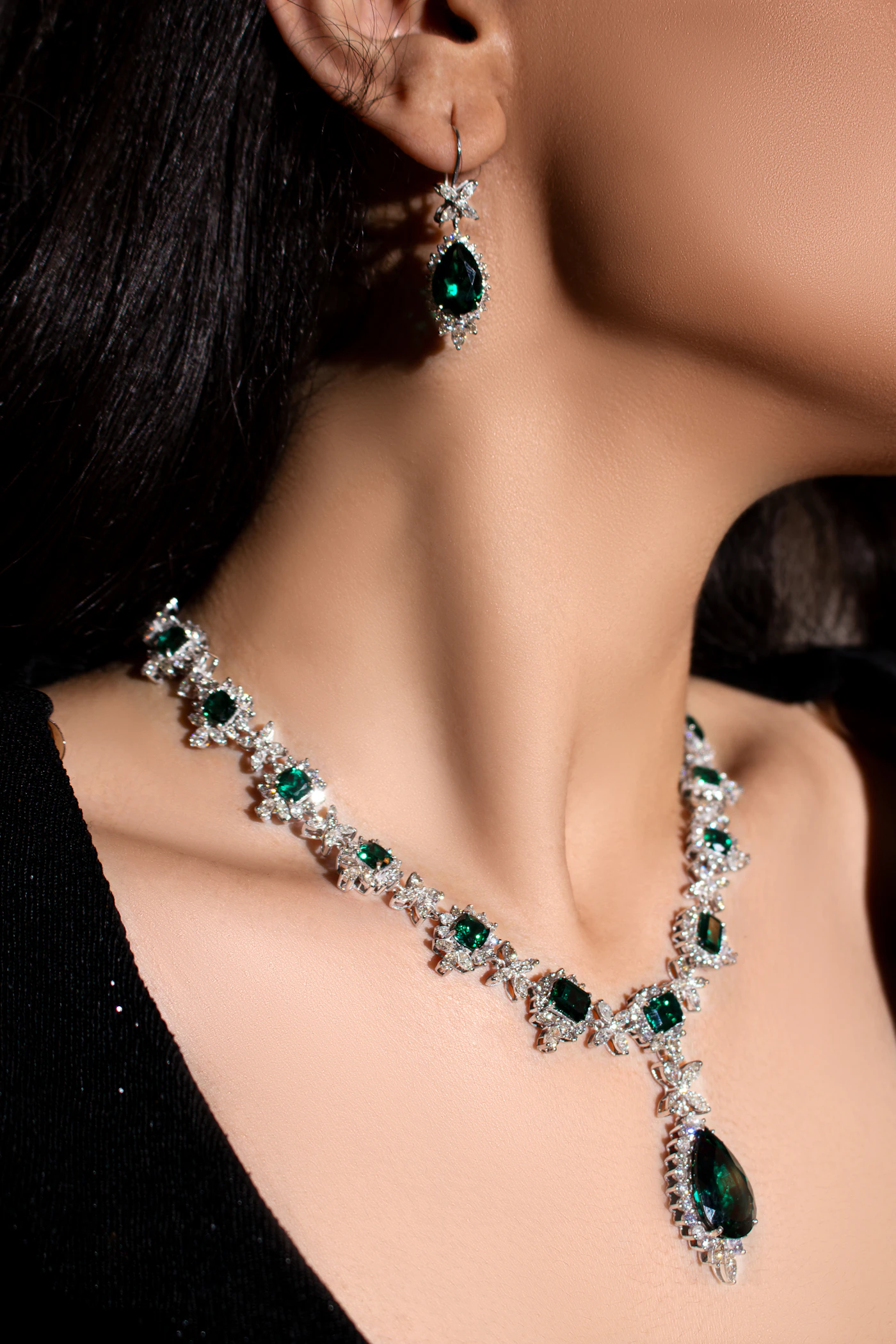
Emerald studs, halos and drops are low-risk and easy to wear daily. Bezel-set studs are especially practical.
Rings
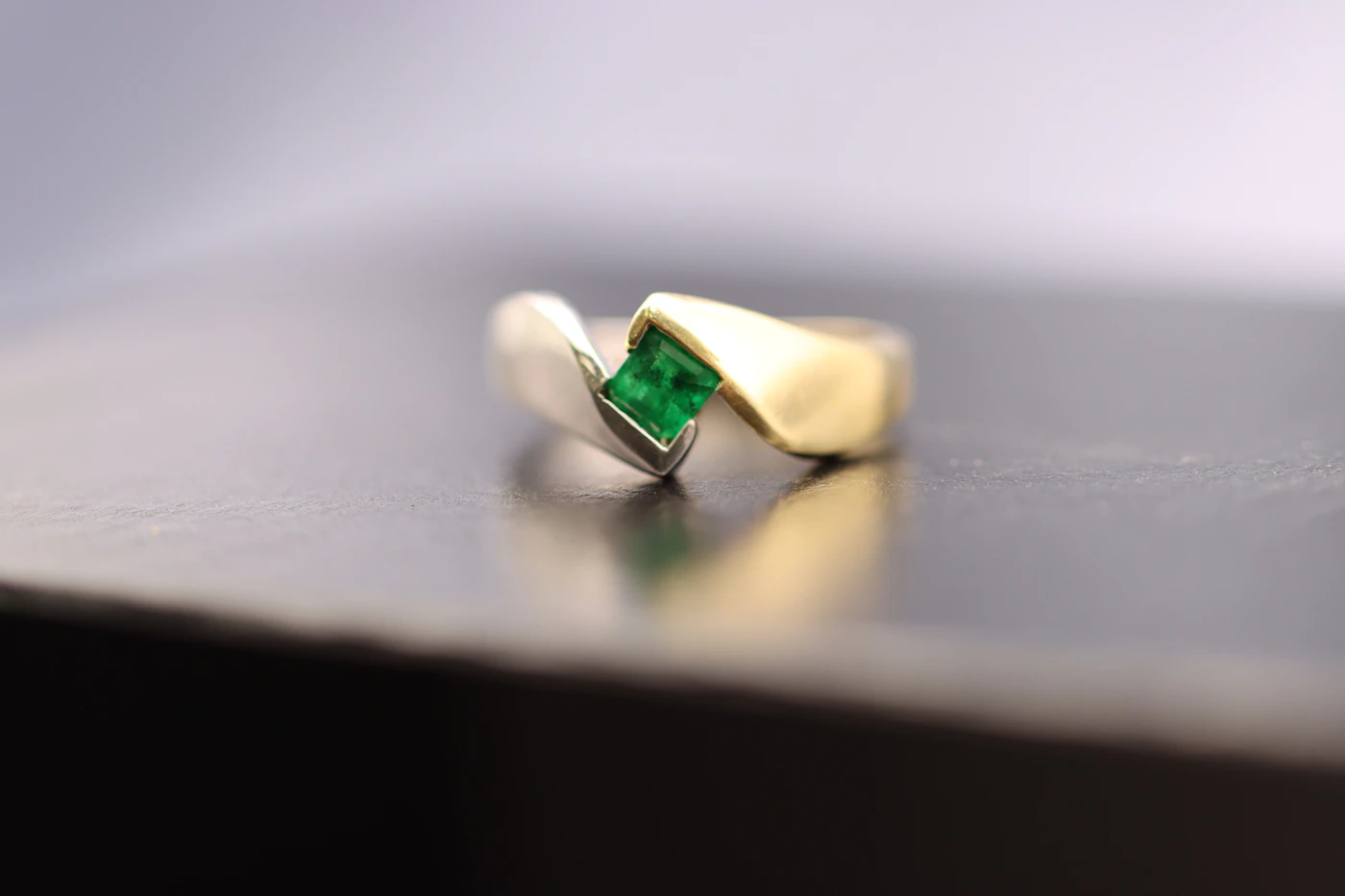
Emerald rings are traditional but need thought: choose a protective setting, an emerald cut or cabochon, and remove the ring for hands-on tasks. We cover ring-specific advice in our May birthstone rings guide.
Metal Choice
Yellow gold warms emerald and is the classic pairing, while white gold and platinum make the green look cooler and brighter. If you are unsure which suits you, our gold or silver for your skin undertone guide can help.
Practical Tips for Buying and Caring for Emerald Jewelry
- Prioritize color over clarity. A lively green with some inclusions usually looks better than a pale, clean stone.
- Ask about treatment level. Get minor, moderate or significant filling noted on your receipt or report.
- Request a lab report for larger stones. For emeralds above roughly one carat or high prices, independent grading is worth the cost.
- Never use ultrasonic or steam cleaners. Heat and vibration can remove oil or crack a fractured stone.
- Clean with lukewarm water and mild soap only. Our home jewelry cleaning guide explains gentle methods.
- Avoid sudden temperature changes and harsh chemicals. Take emerald off before cooking, cleaning or swimming.
- Have oiled emeralds checked every few years. A jeweler can re-oil a stone that has started to look dull.
Frequently Asked Questions
Is emerald a good stone for everyday jewelry?
Emerald earrings and pendants are fine for daily wear. Rings can be worn daily with a protective setting and some care, but emerald is more likely to chip than sapphire or diamond because of its inclusions.
Are all emeralds treated?
Most are. Filling fractures with oil or resin is standard practice. Untreated emeralds exist but are rare and cost considerably more.
Is a lab-grown emerald a real emerald?
Yes. It has the same chemical composition and physical properties as a mined emerald. It is not a fake, but it should be sold as lab-grown and costs much less.
How can I tell if my emerald is fake?
Look for round bubbles, a glued join line from the side, or a flawless stone at a very low price. A jeweler with a refractometer or a gemological lab can confirm what it is.
What gold color goes best with emerald?
Yellow gold is the traditional match and makes the green feel warm and rich. White gold and platinum give a crisper, cooler look.