Does Stainless Steel Jewelry Tarnish? What to Expect and How to Care for It
Stainless steel jewelry rarely tarnishes. Steel contains chromium, which forms an invisible protective layer that resists rust and the dark tarnish that affects silver. It can still look dull, get water spots or stain in harsh conditions, and cheap or plated “steel-look” pieces can discolor, but most solid stainless steel stays bright for years with simple care.
This guide explains why stainless steel holds up so well, what can go wrong, and how it compares with silver, gold-plated and gold-filled pieces, so you can decide if it fits your daily jewelry routine.
Why Stainless Steel Resists Tarnish
Stainless steel is an alloy of iron with at least about 10.5% chromium, plus other elements such as nickel or molybdenum depending on the grade. When chromium meets oxygen it forms a thin, self-repairing oxide film on the surface. That film is why stainless steel does not rust like plain steel and does not tarnish the way silver does. If the surface is scratched, the layer usually re-forms on its own.
Jewelry is commonly made from 316L stainless steel, often called surgical steel. The L means low carbon, which improves corrosion resistance. Another common grade is 304, which is also used in kitchen items.
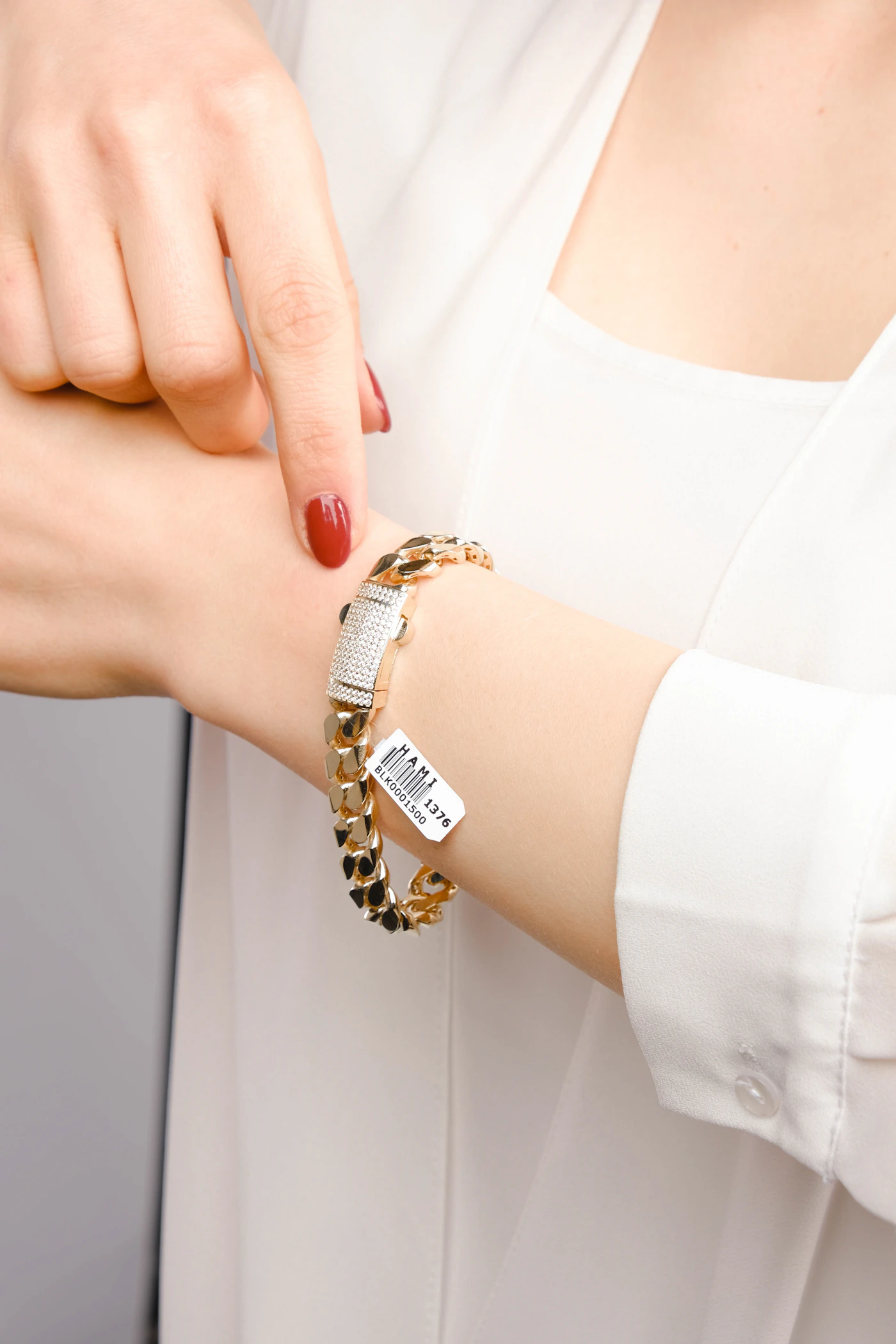
Can Stainless Steel Jewelry Tarnish or Change Color?
It is unlikely to tarnish, but these things can change its look:
- Water spots and film. Soap scum, lotion and minerals in hard water can leave a cloudy film that looks like tarnish. It wipes off.
- Chlorine and bleach. Prolonged exposure can pit or spot the surface, especially in lower grades.
- Scratches. Steel is hard, but scratches leave a matte look that can be polished.
- Plating wear. Many gold-tone or black-tone steel pieces are coated by PVD or plating. The color layer can fade even though the steel underneath is fine.
- Low-quality steel. Very cheap pieces may use lower grades or mixed metals that rust or stain.
Stainless Steel vs Other Jewelry Metals
| Metal | Tarnishes? | Skin reaction | Maintenance |
|---|---|---|---|
| Stainless steel (316L) | Rarely | Low risk, though it contains a little nickel | Wipe with a soft cloth |
| Sterling silver | Yes, over time | Copper may mark skin | Polish regularly |
| Gold-plated | Coating wears off | Base metal can irritate | Avoid water and friction |
| Gold-filled | Very slowly | Usually fine | Gentle cleaning |
| Solid 14k gold | No | Low risk | Occasional cleaning |
| Titanium | No | Very low risk | Minimal |
For comparison with silver, see our explanation of what 925 sterling silver is and why sterling can mark skin. Steel avoids both problems.
Will Stainless Steel Turn Your Skin Green?
Solid stainless steel does not contain copper, so it does not usually turn skin green. If a “steel” piece leaves green marks, it is probably plated base metal or a mislabeled alloy. Our guide to why jewelry turns skin green covers the causes. Note that 316L contains a small amount of nickel that is bound in the alloy. It is well tolerated by most people, but those with a severe nickel allergy may prefer titanium.
Can You Wear Stainless Steel in Water?
Yes. Steel handles showers, sweat and swimming better than most metals. Chlorine and hot tubs are still best avoided over the long term, and any gold-tone coating will wear faster with water. This is the opposite of what happens with plated pieces, as explained in whether you can shower with gold-plated jewelry.
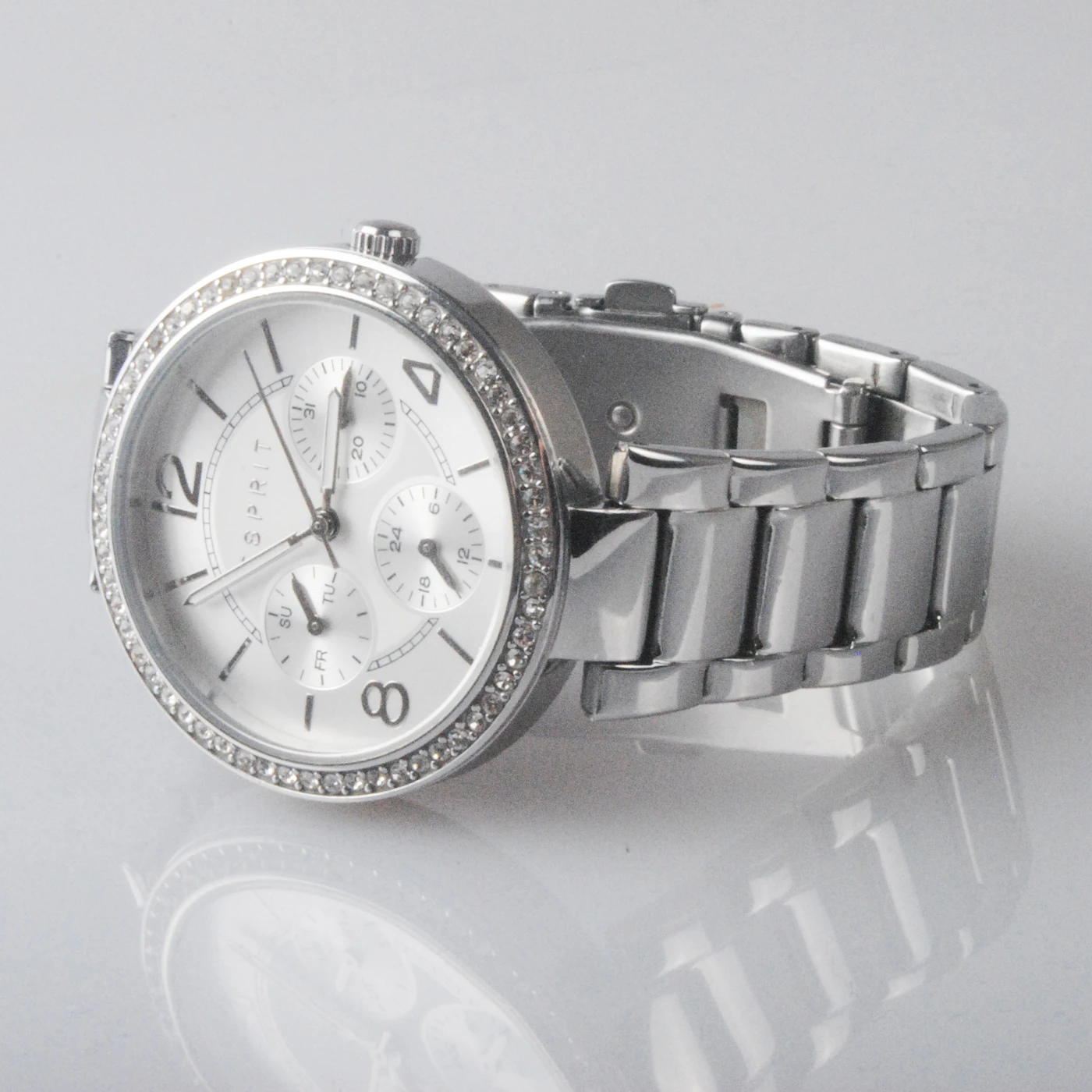
How to Clean and Care for Stainless Steel Jewelry
Everyday Wipe-Down
Wipe with a soft, dry cloth after wearing to remove oils and sweat.
Deeper Cleaning
Soak in warm water with a drop of mild dish soap for a few minutes, scrub gently with a soft toothbrush, rinse and dry. See how to clean jewelry at home for a full routine. Do not use bleach or abrasive powders.
Fixing Scratches
Light surface scratches on plain steel can be buffed with a fine polishing cloth. Coated pieces should not be polished, since it removes the color layer.
Practical Tips Before You Buy
- Look for 316L or surgical steel wording rather than vague terms like “stainless-look”.
- Ask whether the color comes from plating or PVD coating if the piece is gold-tone or black.
- Choose solid pieces over hollow ones if you want durability.
- Store pieces separately to avoid scratches.
- If you want the look of gold with better durability than thin plating, compare gold-filled and gold vermeil.
Frequently Asked Questions
Does stainless steel jewelry rust?
Good-quality stainless steel resists rust well. Lower grades or damaged pieces may show rust spots, especially after long exposure to salt or chlorine.
Is stainless steel jewelry hypoallergenic?
It is low-allergy for most people, but not guaranteed. 316L contains some nickel, and people with a strong nickel allergy may react.
Can you wear stainless steel every day?
Yes. It is one of the more durable and lower-cost metals for daily rings, chains and bracelets.
Why did my stainless steel ring turn black or gray?
Usually the cause is dirt, product buildup or a worn coating, not true tarnish. Clean it first and check whether the ring is plated.
Is stainless steel worth buying for jewelry?
For casual, everyday and gift jewelry, yes. It offers strength and easy care at a lower price, although it cannot be resized easily and does not hold precious-metal value.