June Birthstone Alexandrite Necklace & Jewelry Guide: Color Change, Value & Fakes
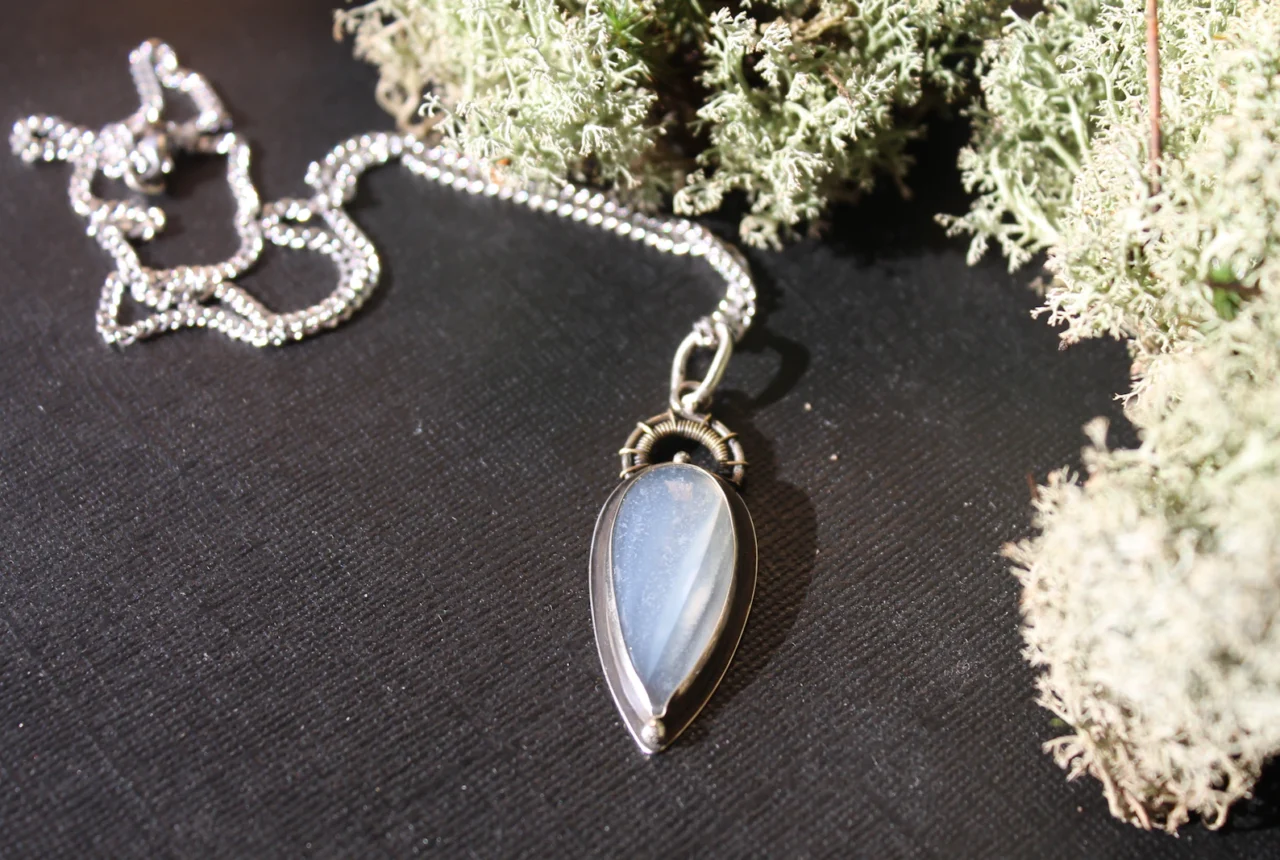
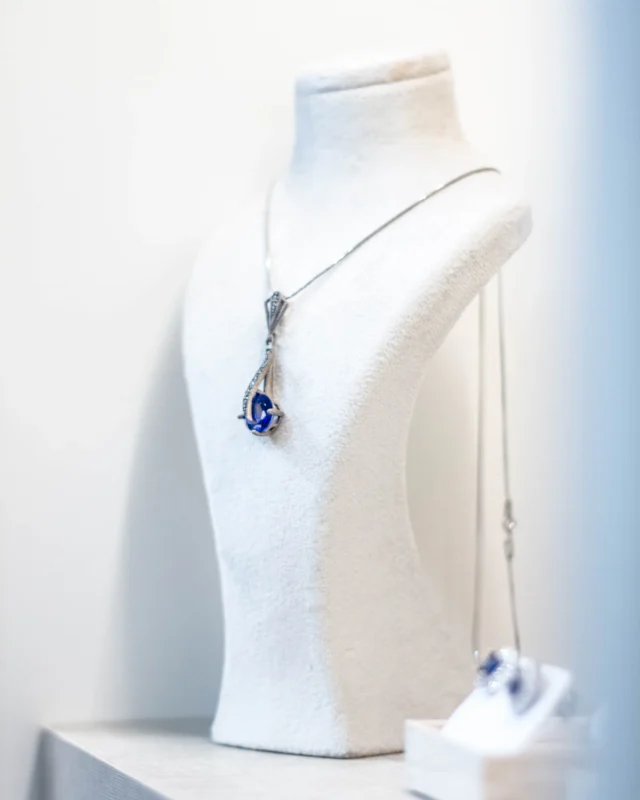
A June birthstone alexandrite necklace features alexandrite, a rare color-change variety of chrysoberyl that looks green to blue-green in daylight and red to purplish red under warm indoor light. Natural alexandrite with a strong color change is one of the most expensive colored gems, so most affordable alexandrite necklaces use lab-grown alexandrite, which is real alexandrite made in a lab. At 8.5 on the Mohs scale with good toughness, it is a hard-wearing gem suited to everyday pendants, earrings and rings.
This guide explains what makes alexandrite unusual, how it is graded, what you can expect to pay for natural and lab stones, how to recognize the imitations that are often sold under its name, and how to choose a pendant that suits you. June has three birthstones, pearl, alexandrite and moonstone; for the full picture see our birthstones by month guide.
What Is Alexandrite?
Alexandrite is a variety of the mineral chrysoberyl colored by traces of chromium. The chromium causes it to absorb light in a way that balances between green and red, so the color you see depends on the light source. It was first found in Russia’s Ural Mountains in the 19th century and was named after the future Tsar Alexander II. Its red and green colors matched the Russian imperial military colors, which helped make it fashionable there.
The original Russian deposits are largely exhausted. Today natural alexandrite comes mainly from Brazil, Sri Lanka, India and parts of East Africa, and fine stones remain scarce, particularly above one carat.
Meaning and Symbolism
Because it seems to change character from day to night, alexandrite is often associated with balance, adaptability and joy. As a June birthstone it is a popular alternative for people who prefer a colored gem to pearl. It is sometimes listed as a traditional 55th anniversary gem, though anniversary lists vary.
How Alexandrite Is Graded
Alexandrite is judged differently from most gems because two colors, and the shift between them, matter.
- Strength of color change: the most important factor. Graders estimate the change as a rough percentage; a strong, near-complete shift is worth far more than a faint one.
- Quality of each color: the finest stones show a clear bluish green in daylight and a raspberry red to purplish red in incandescent light. Brownish or grayish tones reduce value.
- Clarity: natural alexandrite is typically fairly clean, but visible inclusions lower value. Some stones show a cat’s-eye effect, which is prized separately.
- Carat weight: most natural alexandrite is small. Prices per carat jump sharply above about one carat.
- Treatment: alexandrite is usually untreated, although fracture filling occasionally occurs and should be disclosed.
Natural vs Lab-Grown vs Imitation Alexandrite
Much of the alexandrite jewelry sold for June birthdays is not natural, and that is fine as long as it is labeled correctly. The problem is mislabeled imitations.
| Type | What it is | Typical color change | Rough price per carat (USD) |
|---|---|---|---|
| Natural alexandrite | Mined chrysoberyl | Weak to strong; strong is rare | Roughly $2,000 to $15,000+, depending on change and size |
| Lab-grown alexandrite | Real chrysoberyl grown in a lab | Usually strong and vivid | Roughly $100 to $800 |
| Synthetic color-change sapphire | Lab corundum, not alexandrite | Grayish blue-violet to purplish pink | Low; often sold as cheap alexandrite |
| Color-change glass or spinel imitations | Other materials | Varies | Very low |
A useful rule of thumb: an inexpensive necklace sold as natural alexandrite with a bold green-to-red change is very unlikely to be natural. The most common lookalike is lab-grown color-change sapphire, which typically shifts from a grayish violet-blue to pinkish purple rather than from green to red. A gemological lab can tell natural, lab-grown and imitation stones apart; for a significant purchase, ask for a report.
Choosing an Alexandrite Necklace
Pendant Styles
- Solitaire pendant: a single oval, round or cushion stone on a fine chain. Simple and lets the color change be the focus.
- Halo pendant: small diamonds or white stones around the center make a small natural alexandrite look larger.
- Bezel pendant: a clean, modern look and good protection for everyday wear.
- Station or birthstone bar necklace: small alexandrites spaced along the chain or set with other family birthstones.
Chain Length
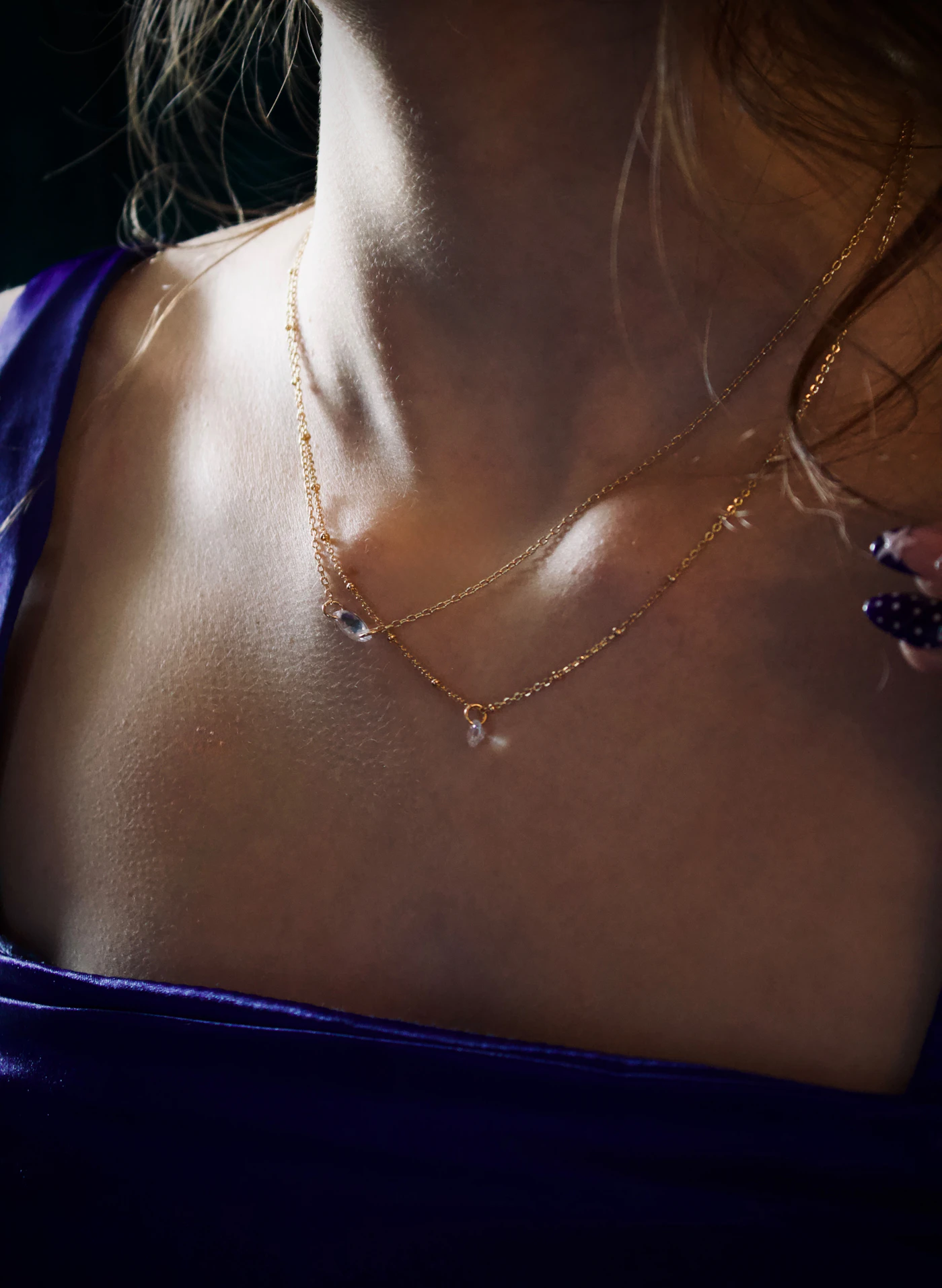
A 16 to 18 inch chain places a pendant near the collarbone, where it catches both natural and indoor light. Our necklace length chart shows how each length falls, and if you plan to stack it with other chains, see how to layer necklaces. For formal events, our jewelry by neckline guide helps match pendant length to the outfit.
Metal
White gold and platinum emphasize the cool green daytime color. Yellow and rose gold flatter the warm evening color. Sterling silver is common for lab-grown alexandrite pendants and keeps the cost down.
Other Alexandrite Jewelry
Because it is hard and tough, alexandrite also works well in rings, including engagement rings, and in stud earrings that can be worn daily. If you are weighing a ring, our June birthstone rings guide compares alexandrite with pearl and moonstone for durability. Alexandrite also pairs naturally with green gems; our emerald jewelry guide covers the May stone if you are combining family birthstones.
Practical Tips for Buying and Caring for Alexandrite Jewelry
- Check both lights. Ask to see the stone under daylight or a daylight-balanced lamp and under warm incandescent-style light. Photos alone can exaggerate color change.
- Read the wording carefully. Terms like created, lab-grown or simulated mean the stone is not mined. Genuine lab alexandrite should be described as lab-grown or created alexandrite, not just alexandrite-colored.
- Expect small natural stones. Natural alexandrite in affordable jewelry is often under half a carat.
- Ask for a report on natural stones. For natural alexandrite at any significant price, an independent lab report is worth it.
- Clean simply. Warm soapy water and a soft brush work well; see our home cleaning guide. Ultrasonic cleaning is generally safe for untreated stones, but avoid it if the stone is fracture-filled.
- Store it away from diamonds. Alexandrite is hard, but diamond and sapphire can still scratch it.
Frequently Asked Questions
Is alexandrite a June birthstone?
Yes. June has three birthstones: pearl, alexandrite and moonstone. Alexandrite was added to the list as a modern alternative to pearl.
Is lab-grown alexandrite real?
Yes. Lab-grown alexandrite has the same chemistry and properties as mined alexandrite. It is not an imitation, but it should be sold as lab-grown and is far less expensive.
Why is my alexandrite purple and pink instead of green and red?
That color pattern is typical of lab-grown color-change sapphire, which is often sold as alexandrite. A gemologist can confirm what you have.
Can you wear an alexandrite necklace every day?
Yes. At 8.5 on the Mohs scale, alexandrite resists scratches well and pendants are rarely knocked, so it is an easy everyday choice.
Why is natural alexandrite so expensive?
Stones with a strong color change are rare, the historic Russian mines are depleted, and most finds are small. Clean stones over one carat with a strong change are especially scarce.