Choosing the Perfect Gift for the 10th Anniversary: Diamond or Blue Sapphire?
Ten years of marriage earns the first truly major anniversary — and, uniquely, a genuine dilemma. The 10th is the only landmark year with two traditional gemstones: diamond, from the modern American list, and blue sapphire, from the older gemstone tradition. Both are correct. Both are spectacular. And couples genuinely agonize between them, because the two stones say quite different things.
This guide compares diamond and blue sapphire honestly — symbolism, durability, price, and how each behaves as jewelry — and ends with a practical way to decide (including the elegant option of refusing to choose at all).
Why the 10th Anniversary Has Two Stones
The traditional material for year ten was tin — practical, humble, and hard to romanticize. When jewelers’ associations formalized gemstone lists in the 20th century, the tenth year received diamond on the modern list, while the older gemstone tradition had long assigned it blue sapphire. Rather than resolving the conflict, the jewelry world embraced both — which is why you will see “10th anniversary: diamond” and “10th anniversary: sapphire” stated with equal confidence. (For how every other year shakes out, see our complete guide to wedding anniversary gemstones by year.)
The Case for Diamond
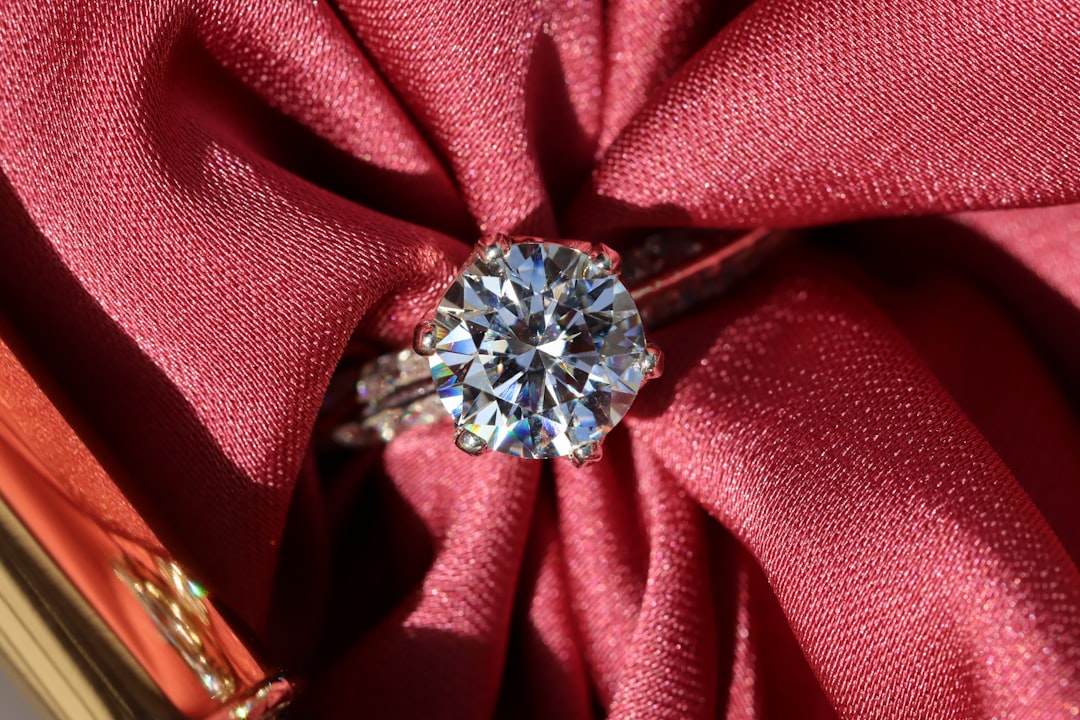
Symbolism. Diamond is permanence itself — the hardest natural material on earth, formed under pressure over billions of years. As a metaphor for a decade of marriage that has survived real life, it needs no explanation, which is part of its power.
Durability. A perfect 10 on the Mohs hardness scale. A diamond ring worn daily for the next fifty years will scratch everything around it and never be scratched itself. For jewelry meant to be worn constantly and passed down, nothing else compares.
Versatility. Colorless diamonds go with everything, every metal, every occasion. A diamond anniversary band or pendant will never clash, never date, and never need a matching outfit.
The price revolution. Lab-grown diamonds have transformed this choice. A certified lab-grown diamond — chemically identical to mined — costs 60–80% less, which puts a genuinely impressive anniversary diamond within a mid-range budget. Verify what you buy (our guide on how to tell if a diamond is real covers the checks) and insist on GIA or IGI certification either way.
The classic diamond gifts at ten: the anniversary band (often stacked with the wedding set), a solitaire pendant, diamond studs, or an upgrade of the original engagement stone — a gesture many women love precisely because it honors the first ring rather than replacing it.
The Case for Blue Sapphire
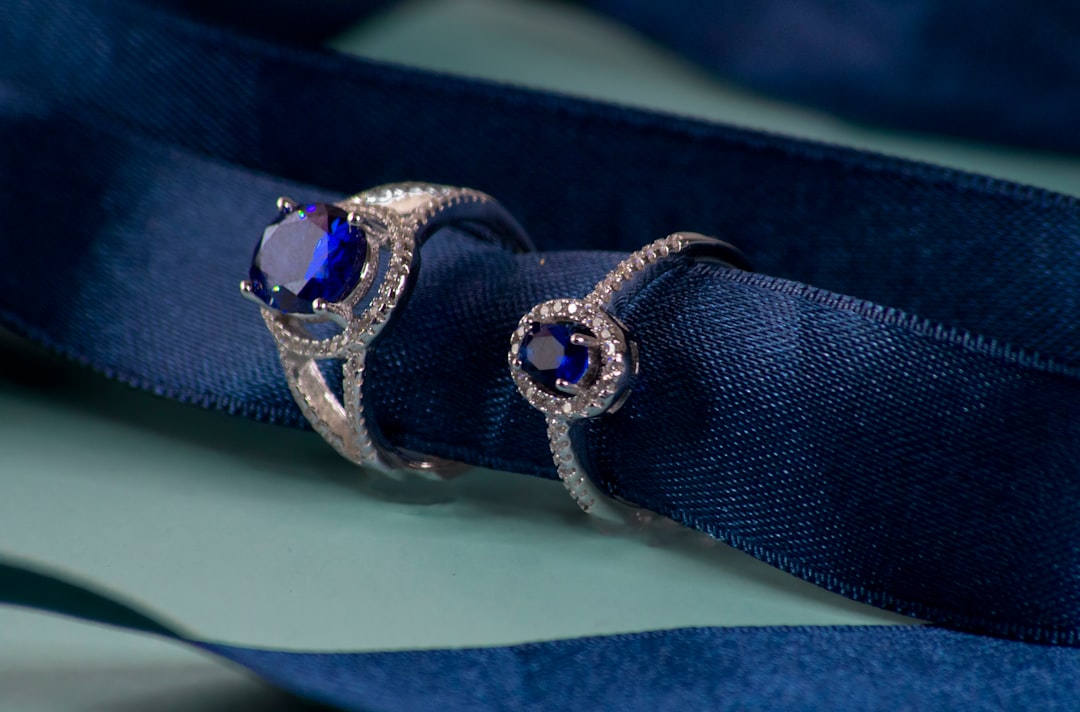
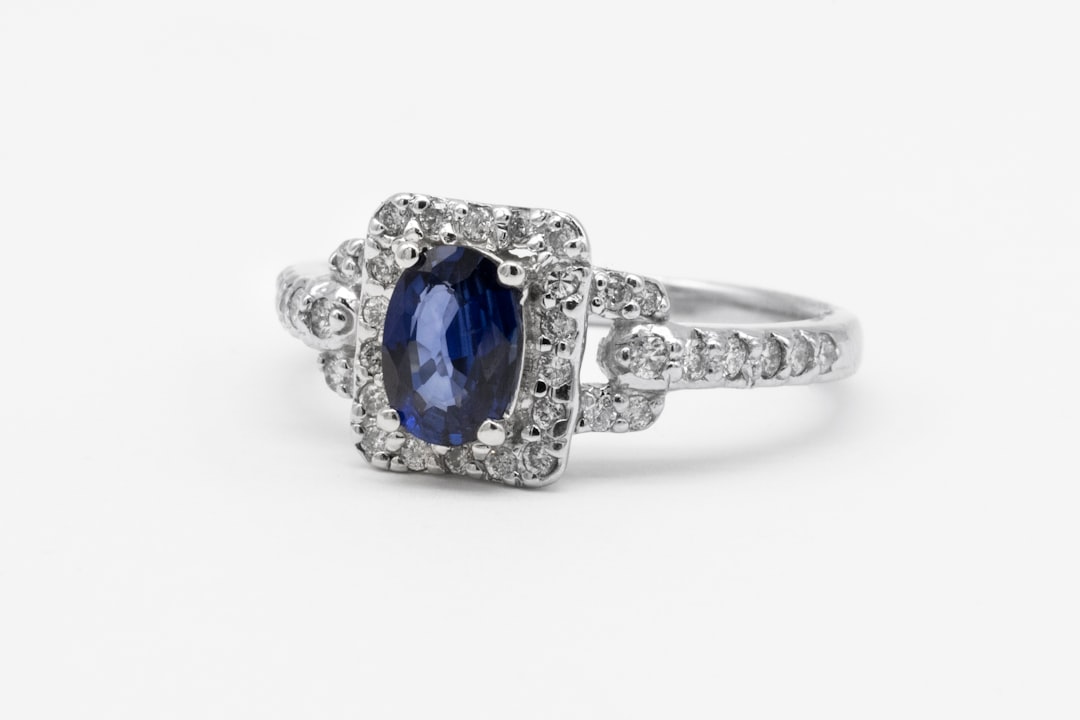
Symbolism. Sapphire is the historic stone of fidelity, loyalty, and truth — the reason it appears in royal engagement rings and why medieval clergy wore it as proof of constancy. For a tenth anniversary specifically, “a decade of faithfulness” is arguably the more precise message.
Character. That saturated royal blue is unmistakable and personal in a way colorless stones cannot be. A sapphire piece reads as chosen, not defaulted to — and if blue happens to be her color (or her eyes’), the gift becomes specific to her.
Durability. Sapphire scores 9 on the Mohs scale — the hardest gemstone after diamond and fully capable of daily wear in rings. This is a workhorse stone, not a shelf ornament.
Value. Carat for carat, fine natural sapphire costs a fraction of natural diamond, which means a tenth-anniversary budget buys either a dramatically larger stone or finer quality. Lab-created sapphires push the value math even further.
The classic sapphire gifts at ten: a sapphire cocktail ring, a pendant flanked by small diamonds, sapphire studs, or a three-stone ring — sapphire between two diamonds — representing past, present, and future.
Diamond vs. Blue Sapphire: The Honest Comparison
| Diamond | Blue Sapphire | |
|---|---|---|
| Symbolism | Permanence, endurance | Fidelity, loyalty, truth |
| Hardness (Mohs) | 10 — untouchable | 9 — excellent for daily wear |
| Look | Colorless brilliance, goes with everything | Saturated blue, distinctive and personal |
| Price (natural) | Highest per carat | Substantially less per carat |
| Budget option | Lab-grown (60–80% less) | Lab-created (similar savings) |
| Best for | Classic taste, daily-wear pieces, heirloom intent | Color lovers, distinctive style, bigger look per dollar |
How to Actually Decide
Forget the lists and ask three questions about the person wearing it:
- What does her jewelry box already say? If it is all classic and colorless, diamond continues the story. If she gravitates to color — or owns no “good” colored stone yet — sapphire fills a real gap.
- What message fits your decade? Endurance through pressure (diamond) or steadfast loyalty (sapphire)? Couples usually feel an immediate pull toward one — trust it, and say it on the card.
- Where will it be worn? For an everyday ring that must survive keyboards, kids, and gym bags, diamond’s hardness is the safest bet. For a pendant, earrings, or occasion ring, both stones are equally practical and sapphire’s value advantage shines.
The Third Option: Both
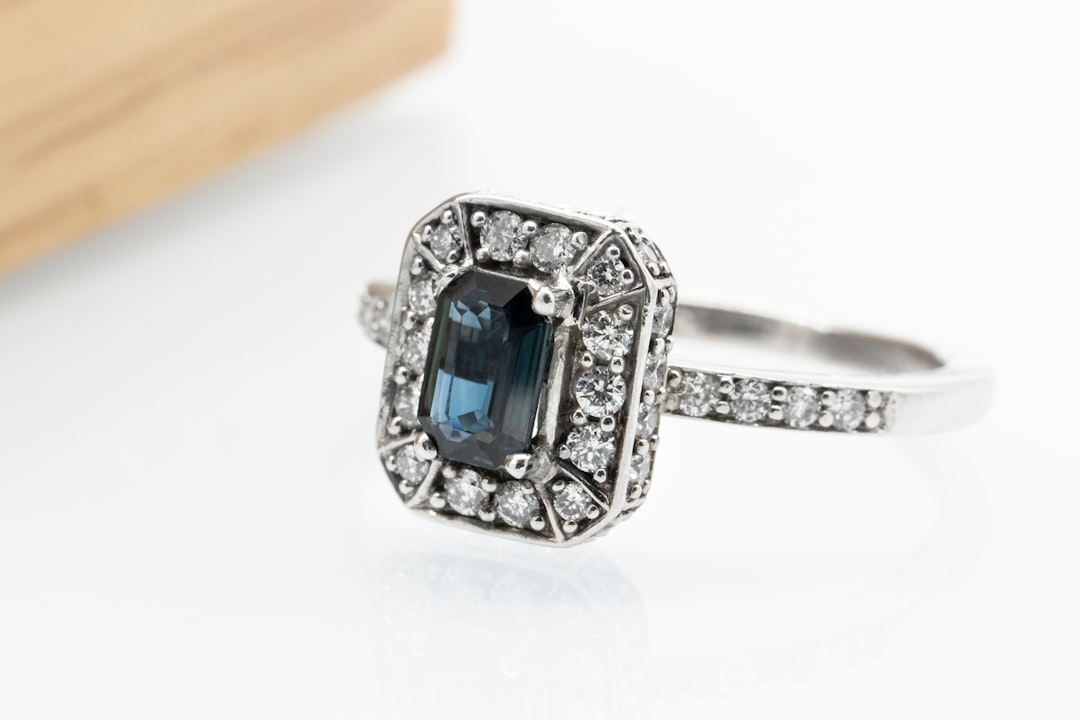
Jewelers resolved this dilemma long ago, and the results are some of the best tenth-anniversary pieces made: a sapphire center with a diamond halo; the three-stone sapphire-and-diamond ring; an alternating sapphire-and-diamond eternity band, one stone per year of marriage. These combination pieces carry both meanings at once — endurance and fidelity — and photograph beautifully doing it. If the decision genuinely will not settle, this is the elegant exit.
One more option worth naming: choose together. Ten years in, many couples skip the surprise and make the selection a date — the piece then carries the memory of choosing it, which no ambush in a restaurant can match. And whichever stone wins, our guide to meaningful jewelry for diamond anniversaries and milestone birthdays covers the personalization moves — engraving, family stones, dates — that make it unmistakably yours.
Frequently Asked Questions
What is the official 10th anniversary gemstone?
Both diamond and blue sapphire are traditional for the 10th anniversary — diamond from the modern jewelers’ list, sapphire from the older gemstone tradition. Either is fully “correct,” and combination pieces honor both at once.
Is sapphire cheaper than diamond?
Per carat, fine natural sapphire typically costs a fraction of comparable natural diamond, so a sapphire budget buys a larger or finer stone. Lab-grown versions of both stones compress prices further while remaining genuine gems.
Can a sapphire ring be worn every day?
Yes. At 9 on the Mohs scale, sapphire is the most durable gemstone after diamond and is well suited to daily-wear rings, especially in protective bezel or halo settings.
What are good 10th anniversary gifts besides rings?
Pendants, stud earrings, and line bracelets in either stone all work beautifully — and for men, sapphire or diamond cufflinks and signet rings extend the tradition. Our guide to luxury wedding gifts for husbands covers the his side of the anniversary equation.
Final Thoughts
There is no wrong answer at ten years — only two right ones with different accents. Choose diamond if the decade’s story is endurance and you want a piece worn hard, daily, forever. Choose blue sapphire if the story is loyalty and she loves a stone with a voice of its own. Choose both if the ring can hold them. Then engrave the date, write the reason on the card, and start the countdown to the next stone on the list.
Photos by Sabrianna and Ömer Evren on Unsplash.