Which Hand Does a Promise Ring Go On? Left, Right and What It Means
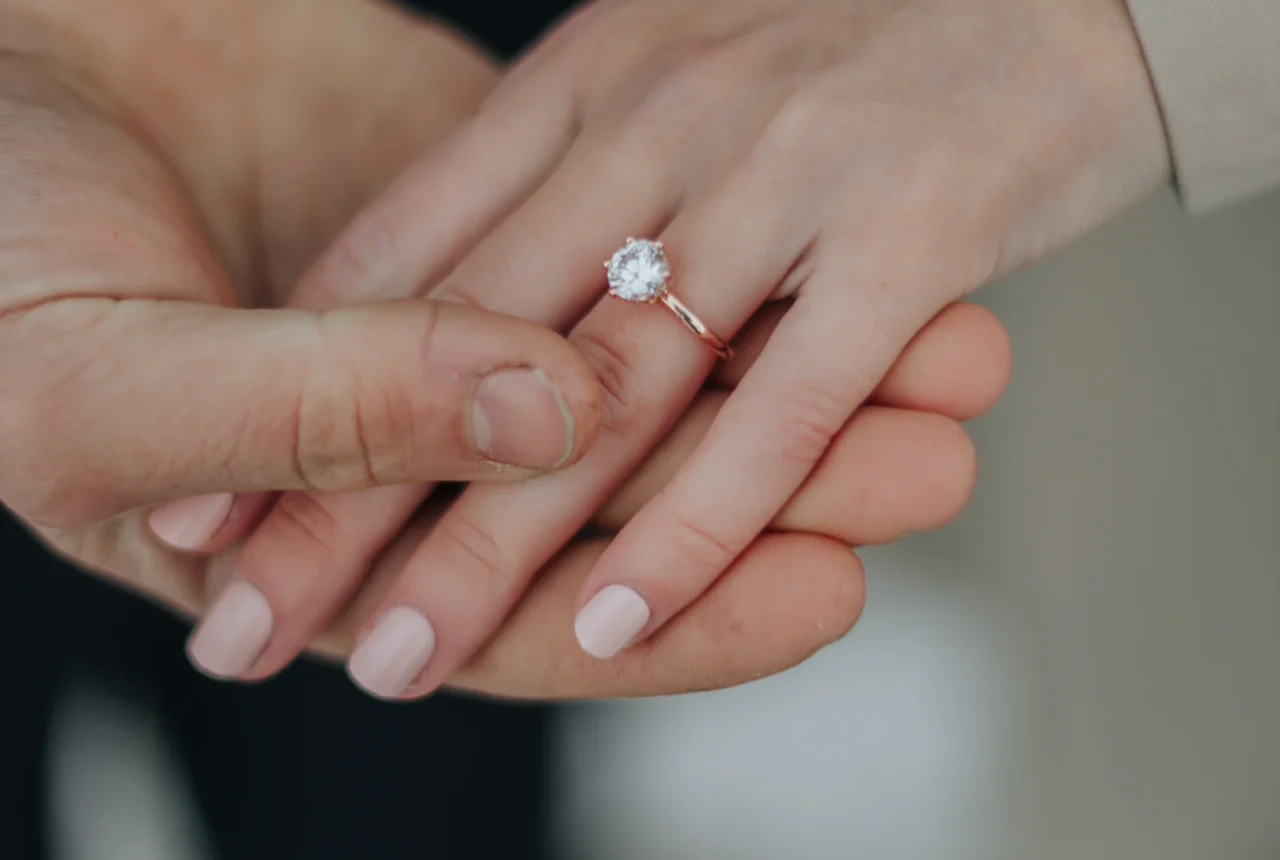
A promise ring most often goes on the left hand, usually the ring finger, but there is no official rule. Some people wear it on the right hand to keep the left ring finger free for an engagement ring, and others wear it on another finger entirely. What matters is what the ring means to the two people involved.
Because a promise ring is a personal symbol rather than a formal tradition, the answer changes with culture, relationship stage and taste. This guide covers the common placements, what each one signals, and how to pick a size and style that works for daily wear.
The Short Answer: Left or Right Hand?
In the United States, the most common choice is the ring finger of the left hand, since that is where many people expect a committed relationship ring to sit. Others choose the right ring finger to separate a promise ring from a future engagement ring and wedding band. Both are correct.
| Placement | What it often signals | Good for |
|---|---|---|
| Left ring finger | A serious commitment, a step before engagement | Couples planning to marry |
| Right ring finger | A promise that is not an engagement | Younger couples, or keeping the left hand open |
| Left index or middle finger | A personal or fashion ring | Those who want to avoid confusion |
| Right index or middle finger | Style, independence or a friendship promise | Friends, family and self-promise rings |
| Pinky finger | Often a friendship or family promise | Promises to friends or siblings |
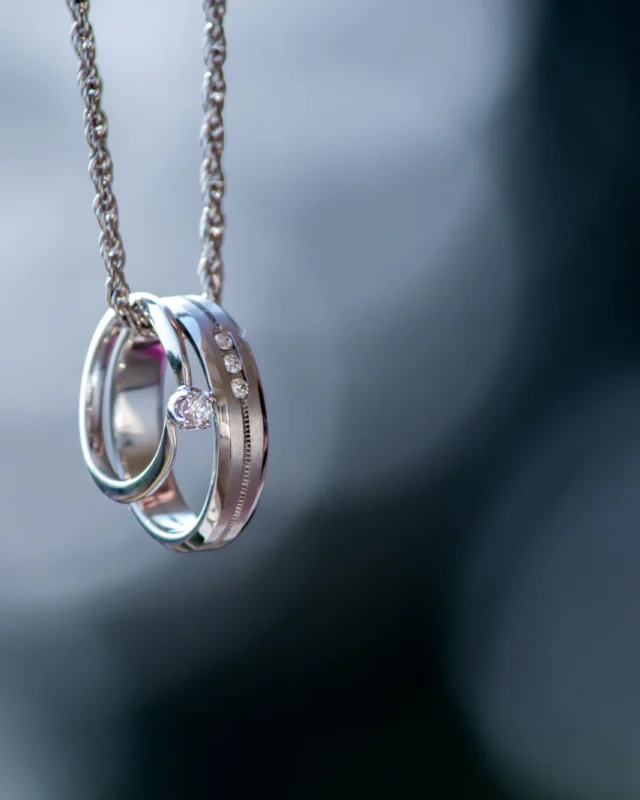
| Chain around the neck | Private commitment | Workplaces or activities where rings are not allowed |
What Does a Promise Ring Mean?
A promise ring is a symbol of commitment that is not an engagement. It can mean:
- A couple’s promise to stay faithful and stay together.
- A promise to get engaged in the future.
- A purity or personal promise, often connected with faith.
- A promise to yourself, such as a goal or milestone.
- A promise between friends or family members.
Why Many People Choose the Left Ring Finger
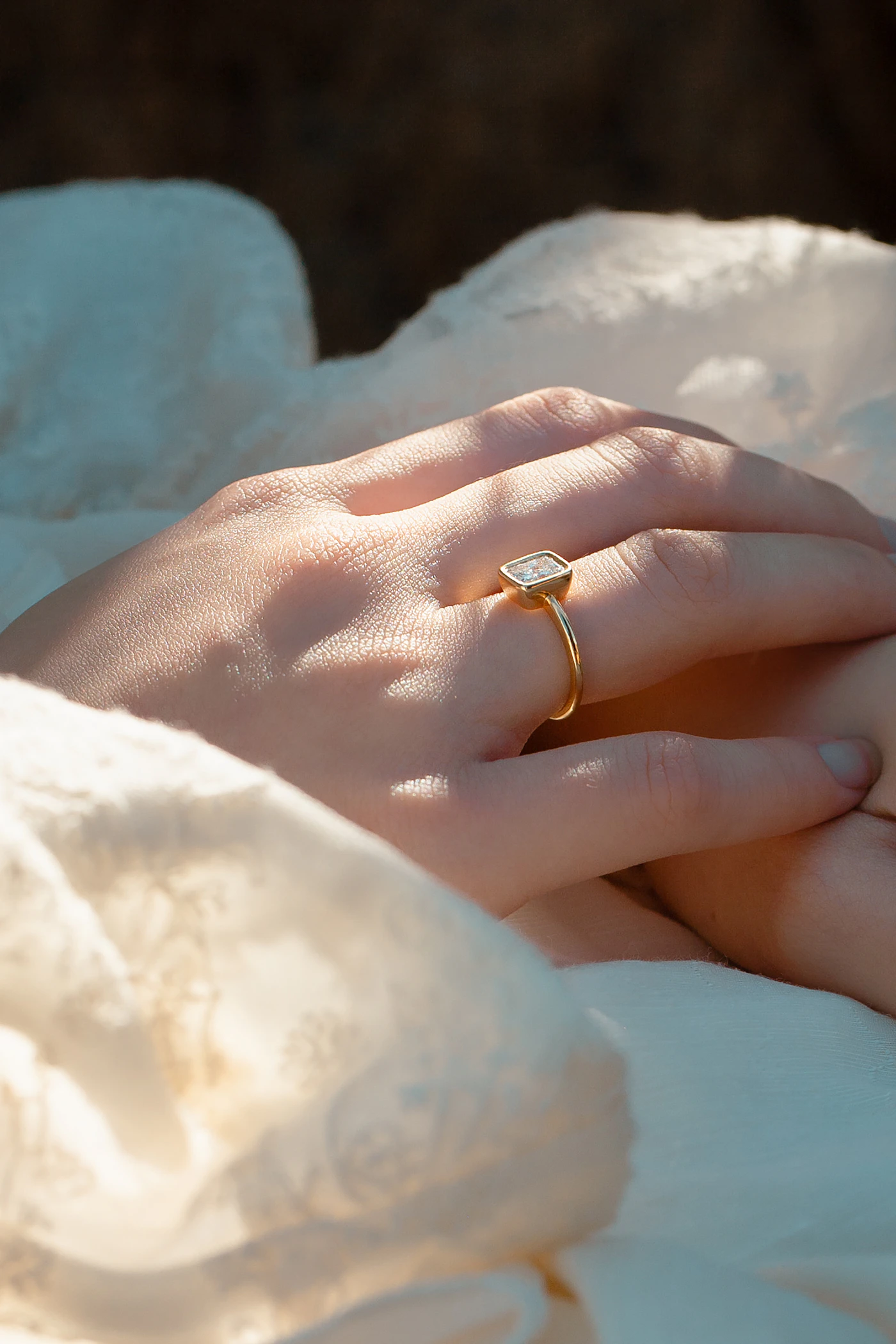
In many Western cultures, the fourth finger of the left hand carries wedding and engagement rings. Choosing it for a promise ring signals that the relationship is serious. The origin of the tradition is often explained by the old idea of a vein of love, which is a myth, but the custom stuck. Our guide to ring finger meaning explains what each finger traditionally signals. If you later become engaged, the promise ring can be moved to the right hand or worn as a stacking ring on the same finger.
Why Others Choose the Right Hand
Wearing a promise ring on the right hand avoids confusion with an engagement ring, which makes it a clear choice for younger couples and for people who do not want questions at work or school. Right-hand placement also keeps the left ring finger open for the ring you might one day receive. If the plan is to propose later, see our guide to custom engagement rings for how to move from a promise to a proposal.
Other Finger Options
Index and Middle Fingers
These suit statement pieces and are practical for signets or wider bands. They are also easy to size up if the ring is heavy.
Pinky Finger
A pinky promise ring is a popular choice for friendship rings and for people who like a subtle style.
Thumb
Thumb rings are rarely used for romantic promises, but they can suit a personal promise or a bold design.
Choosing a Promise Ring That Lasts
Because you may wear it daily for months or years, durability matters more than a big stone.
- Metal. Sterling silver is affordable but tarnishes; 10k or 14k gold and platinum hold up better. Read the gold types comparison to avoid thin plating that wears off.
- Stone. A birthstone or diamond is popular. Check the birthstones by month chart, and choose harder stones like sapphire or diamond for daily wear.
- Style. Slim bands, small solitaires and interlocking or heart designs are typical. Keep it simple if you plan to stack it later.
- Budget. Promise rings commonly cost roughly $30 to $500, depending on metal and stone, and there is no expectation to spend more.
Getting the Fit Right
A ring should slide over the knuckle with slight resistance and stay put without spinning. Fingers change size with temperature and the time of day, so measure in the afternoon. Use our guide to measuring ring size for a home method. The dominant hand is often about half a size larger.
Practical Tips for Giving and Wearing a Promise Ring
- Decide together what the promise means before you choose the finger.
- Ask about preferred hand and finger before buying if it is not a surprise.
- Engrave a short date or phrase inside the band for a private meaning.
- Take it off for the gym, gardening and cleaning to protect the metal and any stone.
- Keep it clean with the steps in how to clean jewelry at home.
Frequently Asked Questions
Can I wear a promise ring on my right hand?
Yes. Many people do, especially to avoid confusion with an engagement ring.
Is a promise ring the same as an engagement ring?
No. An engagement ring signals an intention to marry with a formal proposal. A promise ring is a broader symbol of commitment.
What finger do I wear a promise ring on if I am single?
Any finger you like. Many people wear self-promise rings on the right hand or the index finger.
Does a promise ring have to have a diamond?
No. It can be plain metal, a birthstone or a small gemstone. Meaning matters more than the stone.
What happens to a promise ring after engagement?
Some people keep wearing it on the right hand, some stack it with the engagement ring, and some keep it as a keepsake.