Mom Birthstone Necklace: How to Choose Stones, Chain and Metal
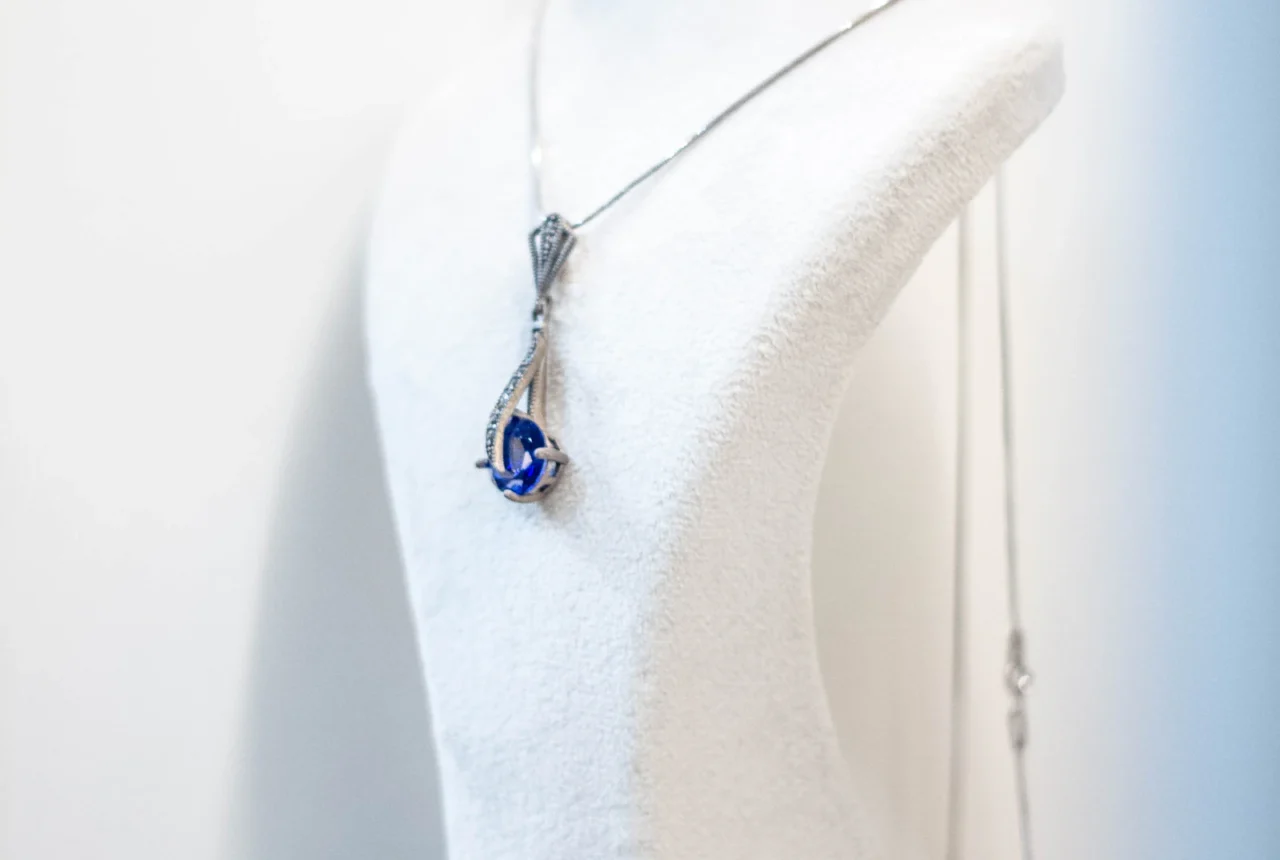
A mom birthstone necklace is a pendant or bar that holds one gemstone for each of her children, usually in birth order, so the family is represented in color rather than words. To choose one well, confirm each child’s birthstone, decide how many stones the design can hold, pick durable versions of softer gems, and match the metal and chain length to what she already wears.
The style is flexible: a single cluster pendant, a horizontal bar, separate floating charms, or a family tree disc with stones set in the branches. The sections below cover how to pick the stones, a full chart of all 12 birthstones with color and hardness, and the practical details that decide whether the necklace is worn every day or stays in a drawer.
Popular Styles of Family Birthstone Necklaces
Bar necklaces
A horizontal bar with stones set in a row is the most common design. It suits two to six stones and reads left to right, so birth order is easy to show. Bars can also carry engraved names on the back.
Cluster and halo pendants
Stones grouped in a small circle or flower shape look like a single pendant from a distance. This works well when the colors are very different, because the cluster blends them rather than lining them up.
Floating charms and discs
Each child gets a separate small charm (a bezel-set stone, often with an initial disc beside it) that slides onto the chain. This is the easiest design to expand when a new baby or grandchild arrives. It is similar to the charm approach in our guide to personalized jewelry for mom, and the two can be combined on one chain.
Family tree pendants
A round pendant with a cut-out tree and stones set as fruit or leaves. It is symbolic and holds many stones, which makes it popular for grandmothers.

How to Pick the Stones for Each Child
Start with each child’s birth month, then check our birthstones by month hub. Several months have more than one accepted stone, which gives you room to choose:
- June: pearl, alexandrite or moonstone. Alexandrite is by far the hardest, but natural stones are expensive, so lab-grown alexandrite or moonstone are common choices.
- August: peridot, spinel or sardonyx.
- October: opal or pink tourmaline. Tourmaline is much tougher in a small setting.
- November: topaz or citrine. Both are golden, and both are fairly hard; see our November birthstone guide.
- December: tanzanite, blue zircon or turquoise.
Other questions to settle before you order:
- Order: most families set stones oldest to youngest from left to right, or with the eldest at the top of a cluster.
- Twins or two kids in one month: repeat the stone rather than inventing an alternate; the repetition itself is meaningful.
- Include her own stone? Some moms like their own stone in the center or a larger stone for the parents’ anniversary month. Ask yourself whether she thinks of the piece as about the children or about the whole family.
- Natural, lab-grown or simulated: lab-grown sapphire, ruby, emerald and alexandrite have the same chemistry as natural stones at a fraction of the price. Simulants (glass, cubic zirconia in birthstone colors) are cheapest but scratch and look dull faster.
The 12 Birthstones: Color and Hardness
Hardness on the Mohs scale tells you how well a stone resists scratching. For a pendant, anything around 6.5 or higher is fine for daily wear, because necklaces take far less impact than rings. Softer stones need a protective bezel setting.
| Month | Birthstone(s) | Typical color | Mohs hardness | Pendant durability |
|---|---|---|---|---|
| January | Garnet | Deep red (also orange, green) | 6.5 to 7.5 | Good |
| February | Amethyst | Purple | 7 | Good |
| March | Aquamarine, bloodstone | Pale blue; dark green with red spots | 7.5 to 8; 6.5 to 7 | Good |
| April | Diamond | Colorless | 10 | Excellent |
| May | Emerald | Green | 7.5 to 8 (often included, avoid knocks) | Fair to good |
| June | Pearl, alexandrite, moonstone | White; green to red; milky white | 2.5 to 4.5; 8.5; 6 to 6.5 | Pearl fragile, alexandrite excellent |
| July | Ruby | Red | 9 | Excellent |
| August | Peridot, spinel, sardonyx | Lime green; various; banded red-brown | 6.5 to 7; 8; 6.5 to 7 | Good |
| September | Sapphire | Blue (and other colors) | 9 | Excellent |
| October | Opal, tourmaline | Multicolor play of color; pink | 5.5 to 6.5; 7 to 7.5 | Opal fair, tourmaline good |
| November | Topaz, citrine | Golden yellow to orange | 8; 7 | Very good |
| December | Tanzanite, zircon, turquoise | Violet-blue; blue; sky blue to green | 6 to 7; 6 to 7.5; 5 to 6 | Fair, bezel setting advised |
Chain Length and Pendant Size
Chain length decides where the stones sit and how often she notices them. Most birthstone pendants look best at 16 to 18 inches, just below the collarbone. Our necklace length chart shows how each length falls on different necklines.
- 16 inches: sits at the collarbone; good for small bars and single charms.
- 18 inches: the most popular length; works with crew and V necks.
- 20 inches: better for larger family tree pendants or a fuller figure.
- Adjustable 16 to 18 inch chains: the safest choice when you are unsure.
For stone size, 2 to 3 mm stones keep a bar dainty; 4 mm stones show their color clearly from across a room. If she already wears a daily chain, a small birthstone pendant can join the stack. See how to layer necklaces for spacing tips.

Which Metal to Choose
Match the metal to what she already wears. If you are not sure, notice whether her everyday rings and earrings are yellow or white. Our guide to gold or silver for your skin undertone helps if she wears both.
- 14k yellow, white or rose gold: the best long-term choice; holds stones securely and never tarnishes.
- Sterling silver: affordable and bright; tarnishes but cleans easily. Prongs are softer, so bezel settings are better.
- Gold vermeil or gold filled: a middle ground; see how they compare to solid gold.
Cool stones (sapphire, aquamarine, tanzanite) look crisp in white metal; warm stones (citrine, garnet, peridot) glow in yellow gold. With a mix of both, yellow gold is usually the most forgiving.
Practical Tips for Ordering a Mom Birthstone Necklace
- Write down each child’s birth month and preferred stone before you shop, especially for June, October and December.
- Ask whether stones are natural, lab-grown or simulated, and expect the price to reflect it.
- Choose bezel settings for opal, pearl, turquoise and emerald.
- Pick a design that can be extended if the family may grow.
- Check the clasp: a lobster clasp is more secure than a spring ring on a daily necklace.
- Order two to four weeks ahead of Mother’s Day or holidays; set pieces take longer than engraving.
Frequently Asked Questions
How many birthstones can a mom necklace hold?
Most bar and cluster designs hold two to six stones comfortably. Family tree and charm styles can hold ten or more, which suits grandmothers.
Which birthstones are too soft for a necklace?
Pearl, opal and turquoise are the softest. They are fine in a pendant if set in a protective bezel and kept away from perfume and cleaners.
Are lab-grown birthstones real?
Lab-grown sapphire, ruby, emerald and alexandrite are real gemstones with the same chemistry and hardness as mined ones. Simulants such as colored glass are not.
What order should birthstones go in?
Oldest to youngest from left to right is the usual convention, but any order that makes sense to your family is fine.
Can I include grandchildren later?
Yes, if you choose a charm or slide design. Fixed bars and clusters usually need to be remade to add stones.