Short Haircuts for Women: How to Choose the Right Cut (2026)

Cutting your hair short is one of the most freeing style decisions a woman can make — and one of the most nerve-wracking. There is no clip-in extension for regret, and the internet is full of horror stories. But a short haircut, chosen well, does something no long style can: it becomes the whole look. It frames the face, sharpens your features and reads as confident before you have said a word.
The women who love their short hair are not braver than everyone else. They simply chose a cut that suited their face shape, hair texture and lifestyle, instead of copying a photo of someone with none of those things in common. This guide is how you do the same — a complete, honest walkthrough of short haircuts for women, from choosing the shape to living with it.
Why go short?
Beyond the style statement, short hair has real practical rewards. It dries in a fraction of the time, uses a fraction of the product, and stops the breakage and split ends that plague long hair. Fine hair almost always looks thicker and fuller when it is cut short, because the weight that dragged it flat is gone. And a good short cut is genuinely low-effort once you learn to style it — most take two or three minutes in the morning.
The trade-off is honesty about upkeep: short hair loses its shape faster, so you will visit the salon every four to six weeks rather than every three months. Factor that in before you commit.
Start with your face shape
Face shape is the single most useful guide to which short cut will flatter you, because a short haircut has nowhere to hide — it sits right against your features.

- Oval face — the most versatile shape; almost every short cut works, from a sharp pixie to a chin-length bob. Lucky you.
- Round face — add height and length to slim the face. A pixie with volume on top, or a bob that falls just below the chin, elongates rather than widens. Avoid one-length cuts that stop at the cheekbones.
- Square face — soften a strong jaw with texture, side-swept fringes and layered, wispy ends. Avoid blunt lines that mirror the jaw.
- Heart face — balance a wider forehead and narrow chin with a cut that adds width at the jaw, like a chin-length bob or a side-parted pixie.
- Long (oblong) face — keep length off the top and add width at the sides. A bob with a fringe works beautifully; avoid tall, stacked volume that lengthens the face further.
Then factor in your hair texture
Face shape tells you the shape to aim for; your natural texture tells you what is realistic to maintain. Fighting your texture every morning is the fastest route to hating a good cut.
- Fine or thin hair — short cuts are your friend. Blunt bobs and textured pixies create the illusion of density that layers in long hair destroy.
- Thick hair — short cuts remove weight and are wonderfully cooling, but ask for internal layering so the shape does not balloon outward.
- Wavy hair — a slightly longer pixie or a tousled bob lets the natural movement do the styling for you.
- Curly hair — short curly cuts are stunning, but they must be cut by someone who understands curl. A dry cut, shaped curl by curl, is worth seeking out.
- Straight hair — shows every line cleanly, so precision cuts like the blunt bob and sharp pixie look their crispest.
The best short haircuts for women in 2026
The pixie cut

The classic short cut and the boldest. A pixie is cropped close at the back and sides with a little more length on top to style. It flatters oval and heart faces especially, draws attention straight to the eyes and cheekbones, and takes minutes to style. Ask for a longer, textured top if you want versatility — you can sweep it, spike it or wear it soft. It is the highest-maintenance cut for salon visits but the lowest-effort day to day.
The bob

If the pixie feels like too big a leap, the bob is the perfect middle ground and the most universally flattering short cut there is. Its length is adjustable to suit you: a chin-length bob flatters most faces, a blunt bob makes fine hair look thick, and an A-line bob (shorter at the back, longer at the front) adds modern edge. The bob is having a major moment and shows no sign of fading.
The French bob
A shorter, softer, effortlessly chic take on the bob that sits around the jaw, usually with a fringe. It looks undone in the best Parisian way, needs minimal styling, and suits anyone wanting short hair with a romantic rather than sharp feel.
The lob (long bob)
Technically the longest cut here, grazing the collarbone. The lob is the ideal starter cut if you are nervous about going short: it delivers the fresh, lightened feeling of a chop while keeping enough length to tie back. It suits every face shape and is the easiest to grow out.
The bixie
Exactly what it sounds like — a hybrid of the bob and the pixie. Longer than a pixie, shorter than a bob, and full of piecey texture. It is one of 2026’s most requested cuts because it is edgy without the full commitment of a cropped pixie, and it grows out gracefully.
The textured shag

A short, layered, lived-in cut with plenty of movement and a soft fringe. The shag is brilliant for wavy and fine hair because the layers create volume and texture without daily effort. It is the most forgiving short cut — the messier it gets, the better it often looks.
The short curly cut
Cropped natural curls are one of the most striking looks in hair right now. A well-shaped short curly cut celebrates volume and definition rather than fighting it. The essential rule: find a specialist who cuts curls dry, shaping each curl individually, so the finished shape works with how your hair actually falls.
Styling and maintenance: the honest truth
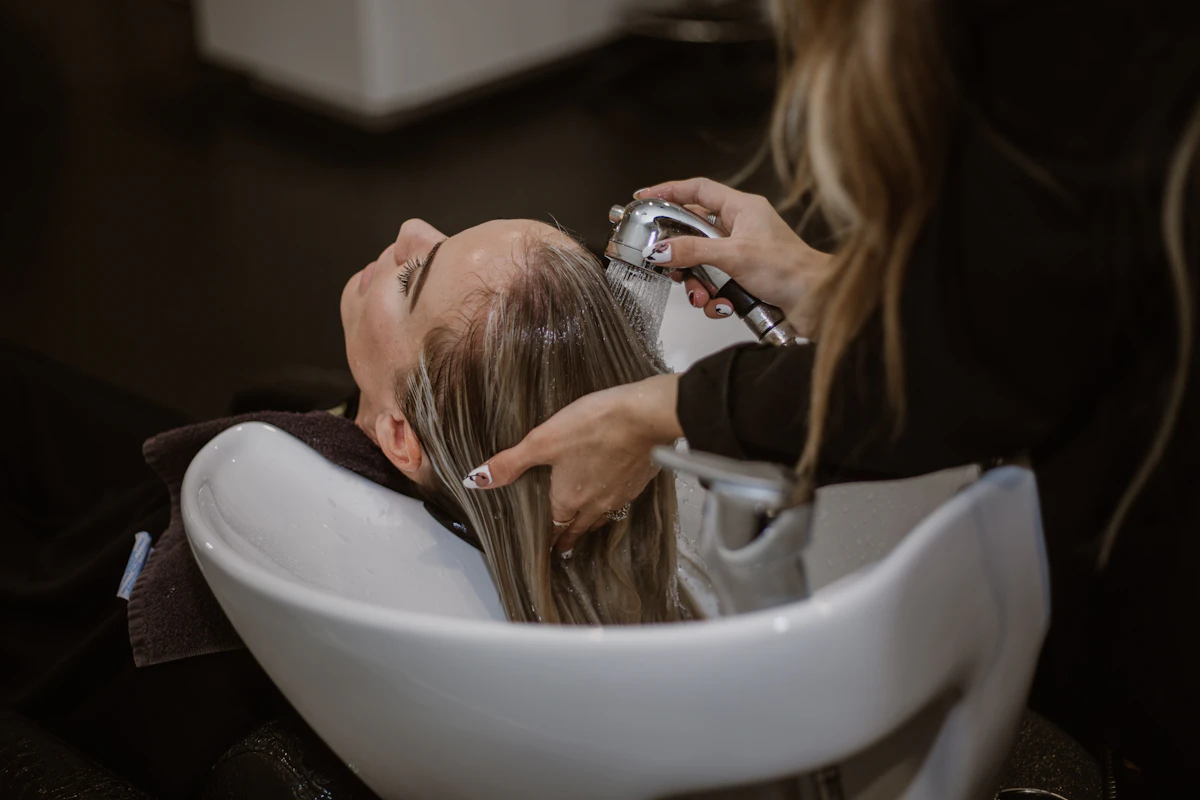
Short hair swaps one kind of effort for another. You lose the long wash-and-blow-dry marathon; you gain a standing salon appointment. Here is what to actually expect:
- Trims every four to six weeks. Short cuts live and die by their shape, and that shape grows out fast. This is the real cost of short hair — budget for it before you commit.
- A good texture product is essential. A little pomade, clay or texturising spray is what separates a styled pixie from a flat one. You will use a fraction of what long hair needs, but you will use it daily.
- Learn to style the front. With short hair the fringe and the top do all the work. Five minutes with a small round brush or your fingers and a blast of the dryer is usually all it takes.
- Invest in the cut, economise elsewhere. The single most important factor in short hair looking good is the precision of the cut. Spend on a stylist who is confident with short hair, even if it means fewer visits to save up.
Bring a photo — and be honest with your stylist
Always bring reference photos to your appointment; words like “short” and “a bit off” mean wildly different things to different people. But go one step further and tell your stylist the truth about your routine. If you will not blow-dry it daily, say so, and they will cut something that air-dries well. A cut designed around a styling routine you will not follow is a cut you will not like.
Growing it out
If you decide to grow it back, the awkward phase is real but manageable. The trick is to keep trimming during the grow-out — counterintuitive but essential — so the shape stays intentional rather than shapeless. Your stylist can guide the length through a series of transitional cuts (pixie to bixie to bob to lob) so it always looks deliberate. Accessories, clips and a good texturising spray are your best friends through the in-between months.
Common short-hair mistakes to avoid
- Copying a cut that ignores your face shape — the photo looks great because it suits them.
- Ignoring your texture — a sleek blunt bob on naturally curly hair means fighting it every single morning.
- Skipping maintenance trims — a grown-out short cut looks unkempt far faster than long hair.
- Going too short in one appointment — take length off in stages if you are unsure; you can always go shorter next time.
- Forgetting to style the top — with short hair the crown and fringe are the whole look.
Frequently asked questions
What is the most flattering short haircut for women?
The bob is the most universally flattering short cut because its length and shape can be adjusted to suit almost any face and hair texture. For a bolder change, a pixie flatters oval and heart-shaped faces beautifully. The best cut for you depends on your face shape, hair texture and how much styling time you want to spend.
How do I choose a short haircut for my face shape?
Oval faces suit almost any short cut. Round faces are flattered by height and length, such as a pixie with volume on top or a below-the-chin bob. Square faces suit soft, textured layers and side-swept fringes. Heart faces suit chin-length bobs that add width at the jaw. Long faces suit bobs with a fringe that add width at the sides.
How often do I need to trim short hair?
Every four to six weeks. Short cuts rely on their shape, and that shape grows out much faster than long hair, so regular trims are essential to keep the cut looking sharp.
Is short hair lower maintenance than long hair?
It depends how you measure it. Short hair dries faster, uses less product and takes minutes to style day to day, but it needs salon trims far more often. You trade daily effort for regular upkeep.
Will a short haircut suit thin or fine hair?
Yes — short cuts often suit fine hair better than long styles. A blunt bob or a textured pixie removes the weight that drags fine hair flat and creates the appearance of more density and volume.
The bottom line
A short haircut is one of the highest-impact style changes you can make, and the fear around it almost always comes from choosing the wrong cut rather than choosing to go short at all. Start with your face shape, respect your natural texture, be honest about how much styling you will really do, and find a stylist who is genuinely confident with short hair. Do that, and you will spend far less time on your hair and far more time enjoying how it looks.
The best short haircut is not the one that is trending — it is the one that fits your face, your hair and your life. Choose that, and you will wonder why you waited.
Also read:



1 Comment
Comments are closed.