
How to Choose a Wedding Dress: A Complete 2026 Guide
The wedding dress is the one thing almost every bride is asked about, and the one decision that carries the most pressure. It is expensive, it is emotional, and unlike almost everything else you buy, you will wear it exactly once in front of everyone you know. No wonder so many people freeze the moment they walk into a bridal shop.
Here is the reassuring part: choosing the right dress is far more of a method than a stroke of luck. Brides who love their gown almost never found it by magic — they narrowed the field sensibly, understood their own shape, and knew what to ignore. This guide walks you through exactly how to choose a wedding dress, from the first appointment to the final fitting, without the overwhelm.
Start earlier than you think
The single most common regret I hear is not about the dress itself — it is about time. Most made-to-order bridal gowns take four to six months to arrive after you order, and alterations add another six to eight weeks on top. That means the comfortable window to start trying on dresses is around nine to twelve months before the wedding.
Starting early is not about panic. It is about options. Begin the search with breathing room and you can shop sales, order made-to-measure, and handle alterations calmly. Leave it to the last three months and you are limited to off-the-rack samples and rush fees. If your date is already close, do not despair — many boutiques keep a rail of ready-to-wear gowns — but book those appointments first.
Set the budget before you fall in love
Decide your absolute ceiling before your first appointment, and share it with your consultant honestly. A good consultant will only pull dresses within your range — which protects you from the very real heartbreak of adoring a gown you cannot afford.
Remember the sticker price is not the full cost. Budget realistically for:
- Alterations — almost every gown needs them; budget a few hundred for taking in, hemming and a bustle
- Accessories — veil, shoes, jewellery and any belt or overskirt
- Undergarments — the right bra or shapewear can change how a dress sits entirely
- Cleaning and preservation — if you plan to keep the dress afterwards
A useful rule of thumb: keep the gown itself to around 80% of your dress budget and reserve the remaining 20% for everything above.
Know your body shape and the silhouette that flatters it
This is where most of the real decision lives. A wedding dress silhouette is simply its overall shape, and matching it to your body is the fastest route to a gown that looks made for you. You do not have to hide anything — the goal is balance and proportion, not concealment.
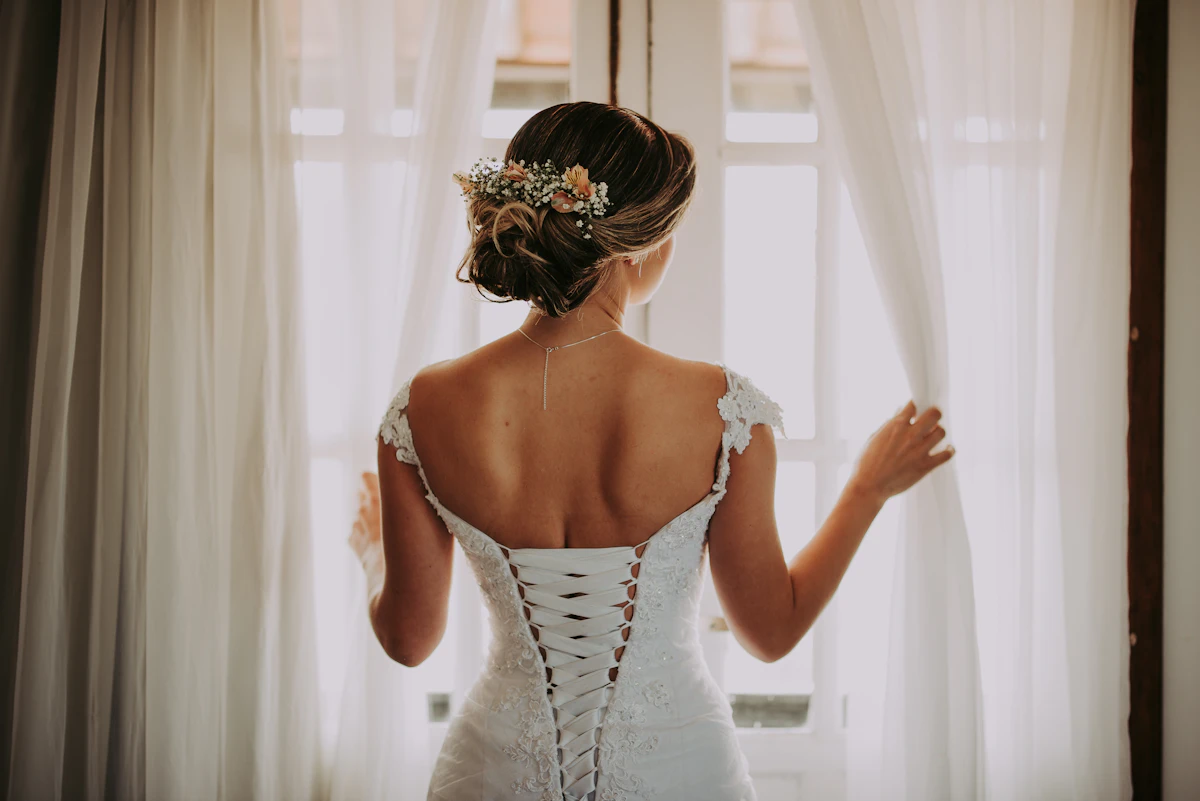
The five silhouettes you will meet again and again:
- A-line — fitted through the bodice, then flaring gently to the hem like the letter A. The most universally flattering shape and a safe starting point for almost every body type.
- Ball gown — fitted bodice with a full, dramatic skirt. Fairy-tale volume that flatters pear shapes and anyone wanting to emphasise the waist; best suited to formal venues.
- Mermaid — fitted to the knee, then flaring out. The most figure-hugging option; stunning on hourglass and curvy shapes, but test that you can sit and walk comfortably.
- Sheath (column) — falls straight from neckline to hem. Light, modern and ideal for beach or city-hall weddings; elongates petite frames beautifully.
- Fit-and-flare — the gentler cousin of the mermaid, flaring from mid-thigh. Curve-flattering with more room to move.
If you take one thing from this section: try on at least two silhouettes you assume you will hate. Brides are constantly surprised by a shape they had written off online. A dress on a hanger and a dress on your body are two entirely different things.
Necklines, sleeves and the details that change everything
Once the silhouette is settled, the neckline does the fine-tuning — it draws the eye and frames your face. A sweetheart neckline flatters a fuller bust and adds curve to a straighter frame. A V-neck elongates the neck and torso. A bateau (boat) neck reads elegant and timeless, while an off-the-shoulder style balances broader hips and highlights the shoulders and collarbones.
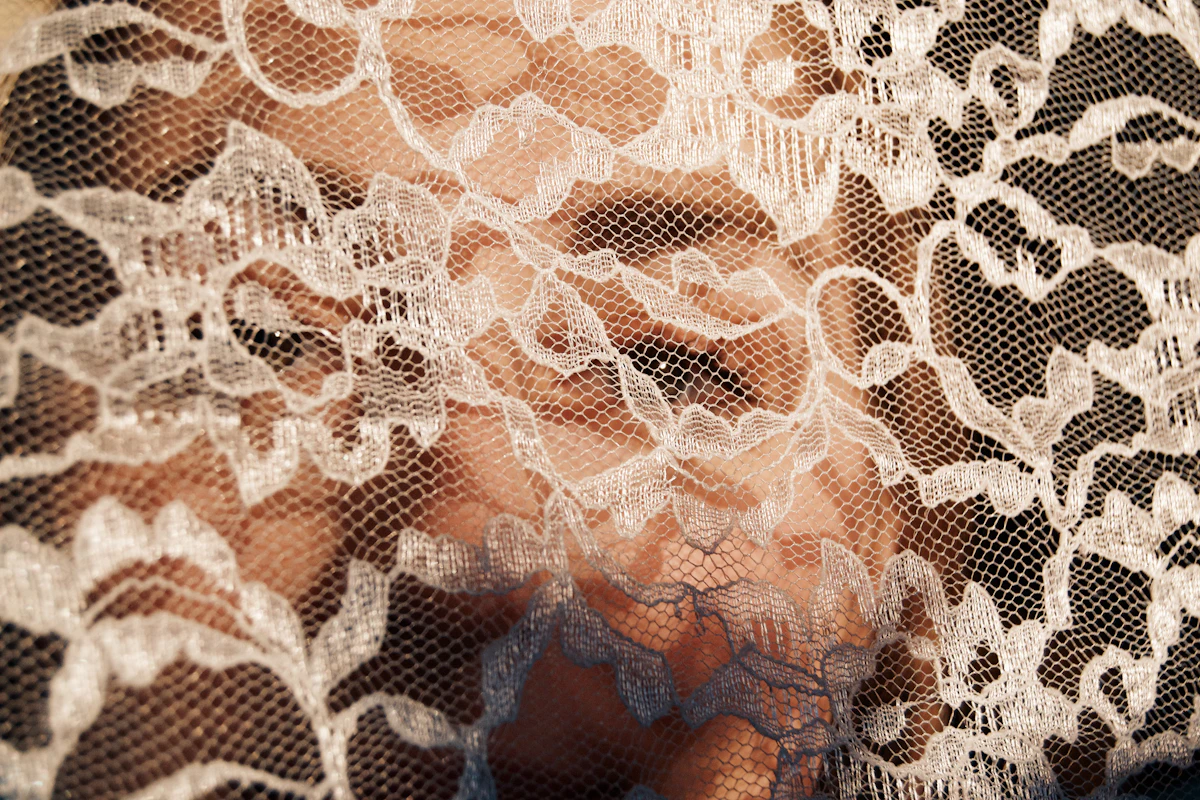
Sleeves have quietly become one of the biggest bridal trends — long illusion sleeves, delicate straps, puff sleeves and detachable options all let you change the mood of a gown between ceremony and reception. If you love a strapless bodice but want coverage in a place of worship, ask about a matching bolero or detachable sleeves. Modern bridal design is built around exactly this kind of flexibility.
Understand the fabrics
Fabric decides how a dress moves, how heavy it feels and how it photographs. Knowing the basics stops you being swayed by a name you do not understand.
- Satin — smooth, weighty and structured; holds a formal shape and suits ball gowns and mermaids.
- Chiffon — light and floaty; perfect for beach and destination weddings and airy A-lines.
- Tulle — the netted fabric behind full, romantic skirts and veils; volume without weight.
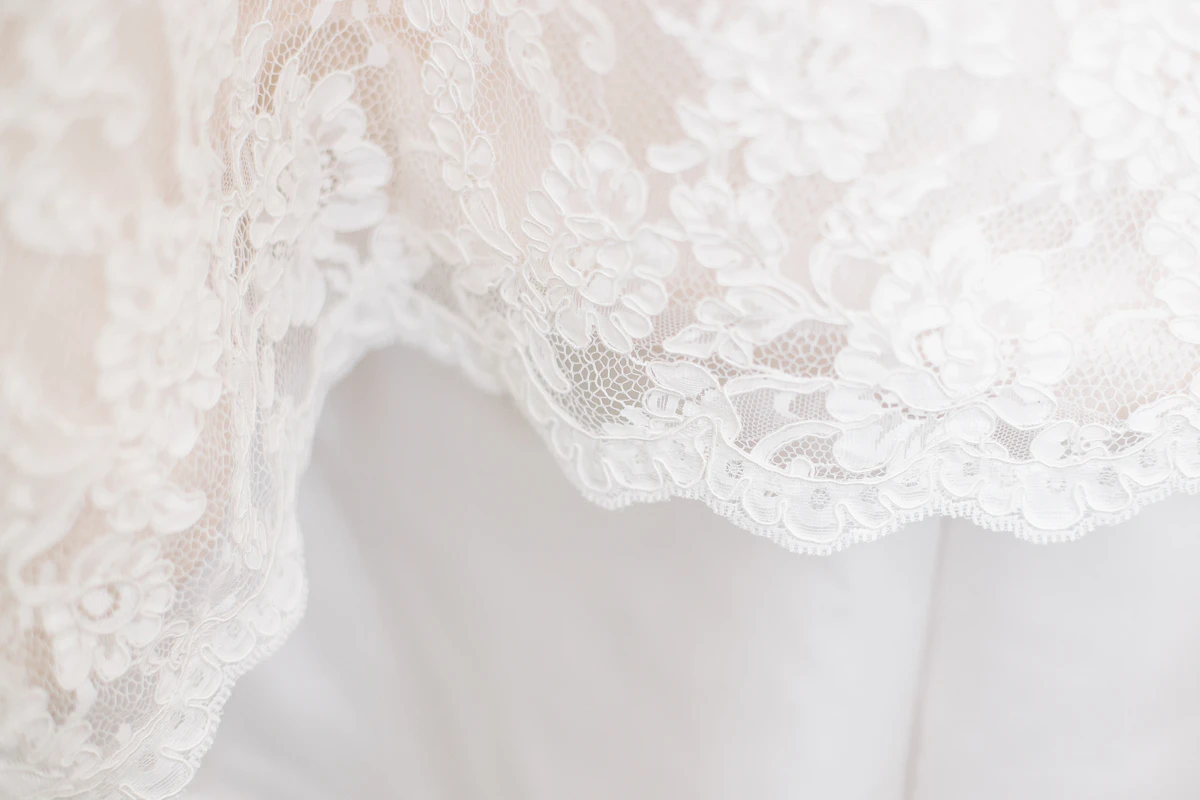
- Lace — timeless and textured; used as an overlay or appliqué for a romantic, detailed finish.
- Crepe — soft with a subtle stretch; the choice for sleek, modern sheath gowns that skim the body.
- Organza — crisp and sheer, holding a structured shape with less weight than satin.
Think about your climate and how long you will be wearing the gown. A heavily beaded satin ball gown is breathtaking in a winter cathedral and punishing at a August garden party. Match the fabric to the day you are actually having.
Match the dress to your venue and season
Your gown should feel like it belongs where you are marrying. A structured, formal ball gown suits a grand ballroom or historic venue; a light chiffon or crepe sheath is made for a beach or a garden; a chic, minimalist column is perfect for a city-hall or restaurant wedding. Consider the practicalities too — a long train and a sandy beach are not natural allies, and a heavy gown on a hot day will test your patience by the evening.
What to expect at the bridal appointment
Your first appointment can feel intense, so knowing the shape of it helps enormously.
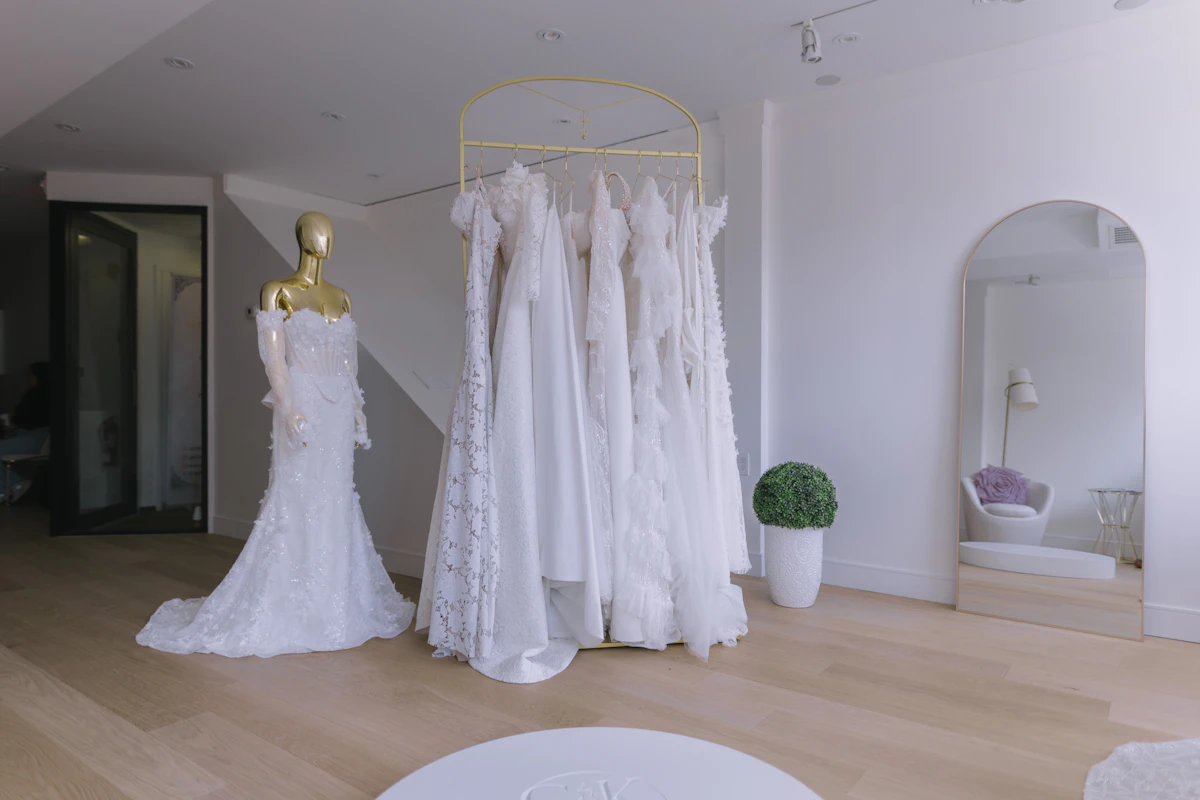
- Keep your entourage small. Two or three people whose opinions you actually trust. A crowd of ten conflicting voices is the fastest way to lose confidence in a dress you love.
- Wear nude, seamless underwear and minimal makeup, and bring shoes with a heel height close to what you plan to wear.
- You will try five to eight gowns. Trying on thirty dresses does not clarify things — it blurs them. Once you have a shortlist, revisit the top two rather than starting over.
- Trust your reaction, not just the mirror. Consultants talk about the moment a bride goes quiet, or tears up, or will not stop turning. That instinct is data.
Test it the way you will actually wear it
Before you commit, put the gown through a real-world trial in the fitting room. Sit down. Walk. Raise your arms as if you are hugging someone or dancing. Take a deep breath in. A dress that looks perfect standing still but pins your arms or cuts off your breath will make a twelve-hour day miserable. Comfort is not a compromise on beauty — the most beautiful you will look is relaxed and able to move.
Alterations are not optional
Almost no gown fits perfectly off the rail, and that is completely normal. Alterations are what turn a dress that fits into a dress that looks custom-made for you. Budget for them, book your first fitting six to eight weeks before the wedding, and expect two or three fittings in total. Ask the boutique whether alterations are in-house or referred out, and get the cost in writing up front. A well-altered mid-range gown will always outshine an expensive one that does not fit.
Common wedding dress mistakes to avoid
- Shopping too late — the number-one regret, and entirely avoidable.
- Bringing too many opinions — protect your own instinct.
- Buying a size down as “motivation” — a dress can be taken in far more easily than let out. Order for the body you have.
- Ignoring the venue and season — the wrong fabric for the day is a slow-burning mistake you feel by the evening.
- Forgetting the hidden costs — alterations, veil, shoes and undergarments add up fast.
- Chasing trends over instinct — you will look at these photos for the rest of your life. Choose the dress that looks like you, not this year’s Pinterest board.
Frequently asked questions
How far in advance should I buy my wedding dress?
Start trying on gowns around nine to twelve months before the wedding. Made-to-order dresses typically take four to six months to arrive, and alterations need another six to eight weeks. If your date is sooner, look for off-the-rack or sample gowns, which you can take home the same day.
How do I choose a wedding dress for my body shape?
Match the silhouette to your proportions: A-line flatters almost everyone, ball gowns suit pear shapes and emphasise the waist, mermaid and fit-and-flare styles celebrate curves, and sheath gowns elongate petite frames. The most reliable method is to try on several silhouettes in person, including a couple you assume will not work.
How many wedding dresses should I try on?
Around five to eight per appointment. Trying on too many dresses tends to overwhelm rather than clarify. Build a shortlist, then revisit your top one or two before deciding.
How much should I budget for a wedding dress?
Set a firm ceiling and keep the gown itself to roughly 80% of it, reserving the rest for alterations, veil, shoes, jewellery and undergarments. Alterations alone can add a few hundred to the total, so factor them in from the start.
Do I really need alterations?
Almost always, yes. Very few gowns fit perfectly off the rail. Alterations tailor the dress to your exact measurements and are what make it look custom. Book your first fitting six to eight weeks before the wedding.
The bottom line
Choosing a wedding dress becomes simple the moment you treat it as a process rather than a lottery. Start early, set a realistic budget, learn which silhouette flatters your shape, match the fabric to your venue and season, and give yourself room for alterations. Do that, and the dress almost chooses itself.
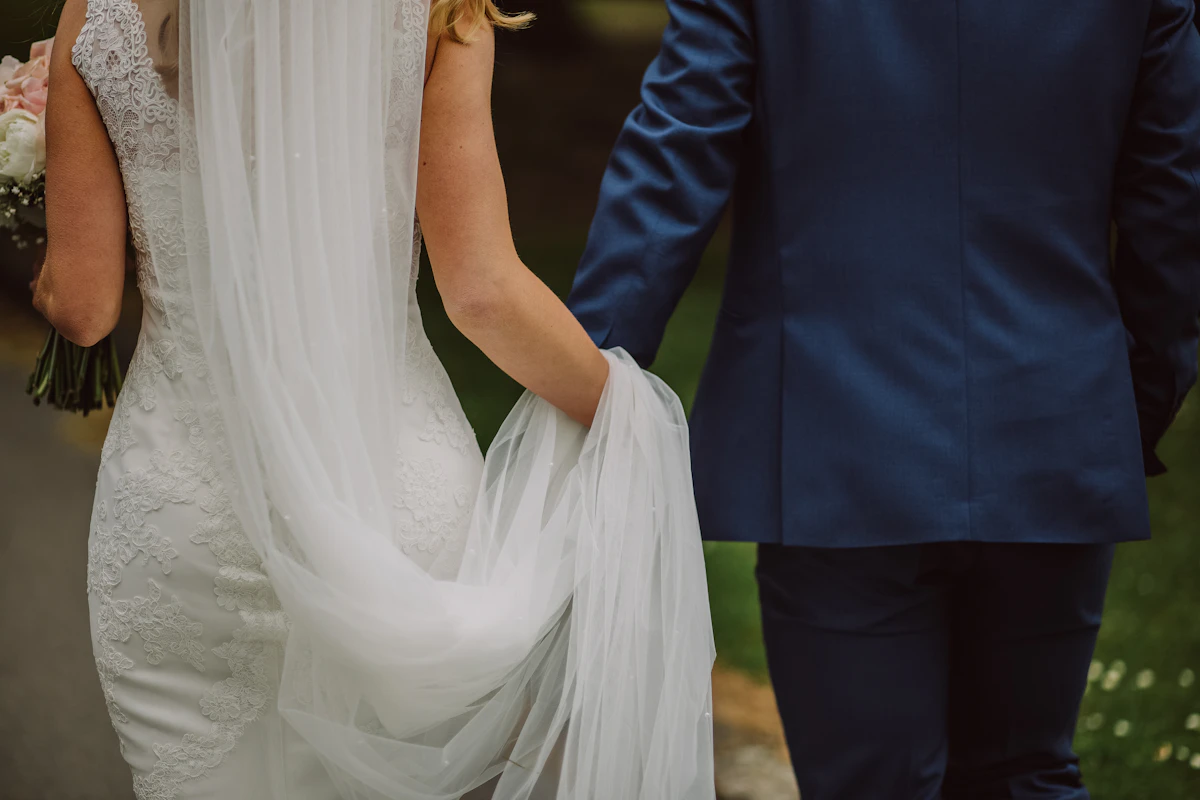
And when you find the one, you will usually know. Not because it is the most expensive or the most on-trend, but because you stop looking at the dress and start looking at yourself. Trust that.
Also read:

2 Comments
Comments are closed.