From Timers to Sensors: How Ovens Are Getting Smarter
 By Pat Harry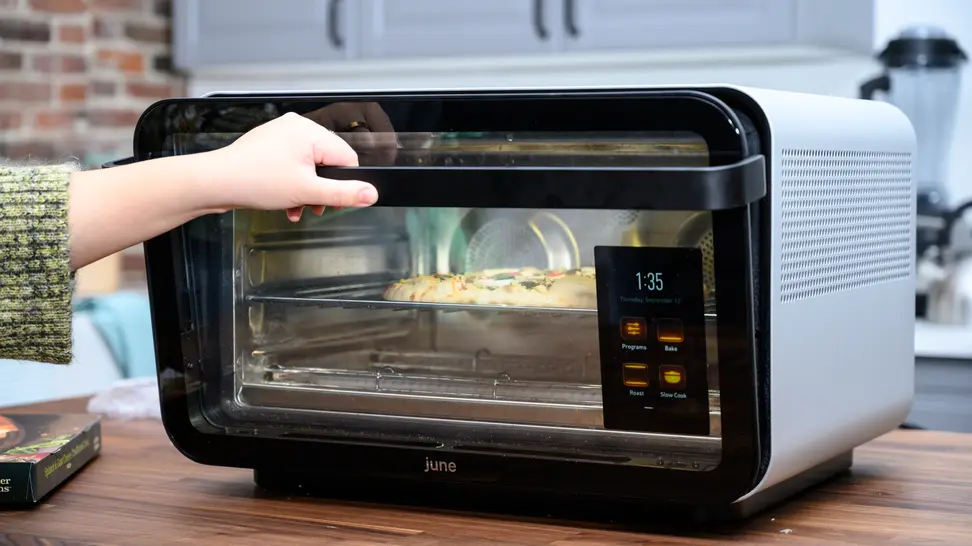
Remember when baking a cake was a mechanical twist timer, a peek through a fogged glass door and a prayer to the culinary gods that the middle wasn’t raw? For decades, our relationship with the kitchen oven has been guesswork and approximation.
But there’s a lot going on. We’re now in the smart kitchen era. Countertop cooking has gone way beyond basic heating elements. Modern appliances are moving away from passive countdown clocks to embrace sophisticated real-time data. It’s no longer just a kitchen appliance for toasting bread, it’s become a smart, sensor-driven culinary powerhouse.
Here’s a deep dive into how ovens are getting smarter, and why the move from timers to sensors changes everything for the home cook.
1. Why the Standard Timer is a Problem
To know where we’re going, we must know where we started. For generations, recipes have been based on two main measurements: temperature and time. This is what the normal way of cooking on a countertop looks like:
- The Guesswork You set your toaster oven to 400°F for 20 minutes because that’s what the box says.
- The Variables: Time-based cooking ignores critical variables like initial temperature of your food, thickness, bone placement or moisture content in cooking chamber.
- The Result: A timer doesn’t know if your chicken breast is going to be dry or perfectly juicy. It only knows when 20 minutes are up and you end up with overcooked edges or a cold center.
2. The Brains of Modern Cooking: Entering the Sensor
No more blind countdowns, but smart ovens that collect real-time data – and do it right. Rather than controlling the environment inside the appliance, intelligent cooking systems are now focused on the food itself.
[Conventional Oven] —-> Focused on Ambient Temp & Time —-> Variable Results
[Smart Sensor Oven] –> Internal Food Temp & Moisture –> Perfect Results
- Modern toaster oven alternatives can monitor variables the human eye can’t see by embedding advanced sensors right into the appliance and its accessories.
- Temperature Adjustments In Advance: Internal algorithms determine how fast food absorbs heat and adjust the heating elements accordingly.
- Multi-Point Intelligence Advanced: Smart thermometers measure more than one point at a time – the core of the food, the surface temperature and the ambient air around it.
- Moisture Management: The humidity level inside the chamber is monitored by high-end smart appliances, ensuring the skin becomes crispy without drying out the meat underneath.
3. The Typhur Sync Oven Explained
When talking about this leap in technology, the Typhur’s toaster oven is a perfect example of what can happen when you combine precise sensor technology with high- performance countertop design. This isn’t simply an upgrade to your old kitchen setup, it’s a full reimaging of what a smart appliance can do.
- The system combines seamless connectivity with unrivalled accuracy, liberating you from the kitchen to keep an eye on dinner:
- Integrated Wireless Monitoring: Equipped with a wireless thermometer of medical grade that connects directly to the appliance and provides you with instant data on your phone.
- Dual-Zone Precision: The system measures internal and external temperatures concurrently so heat distribution is precisely calibrated to your cut.
- Algorithm Timing: Instead of a timer, the software predicts when food will reach target temperature based on real heat absorption.
4. Why This Change Matters to the Home Cook
Buying sensor-driven technology changes the way you relate to cooking on a day-to-day basis. It turns the whole experience from a stressful chore into a repeatable, joyful science.
- Every Time, Consistently: Because sensors respond to the real state of the food, rather than a preset clock, a steak cooked on a humid Tuesday will be exactly the same as one cooked on a freezing Sunday.
- True Culinary Freedom You can finally walk away from the kitchen counter. Smart integration alerts you right to your smartphone the second your meal is at its peak doneness.
- Less Food Waste: No more throwing out burnt vegetables or dry, chewy meat from a conventional toaster oven that was too hot.
5. The countertop cooking of the future
We’re only beginning to explore the possibilities of smart kitchens. As machine learning merges with sensor technology, even the lowly countertop appliance will gain autonomy.
Imagine a world where your appliance knows exactly what cut of meat you put in, checks your personal texture preferences and adjusts airflow and heat velocity in real time. We are moving towards a kitchen ecosystem where mistakes are engineered out of the equation altogether.
The days of standing at the counter, watching a mechanical dial slowly tick down as you cross your fingers and hope for the best are officially over.