Fix Knee Pain from Sudden Twists and Sports Injuries
 By Pat Harry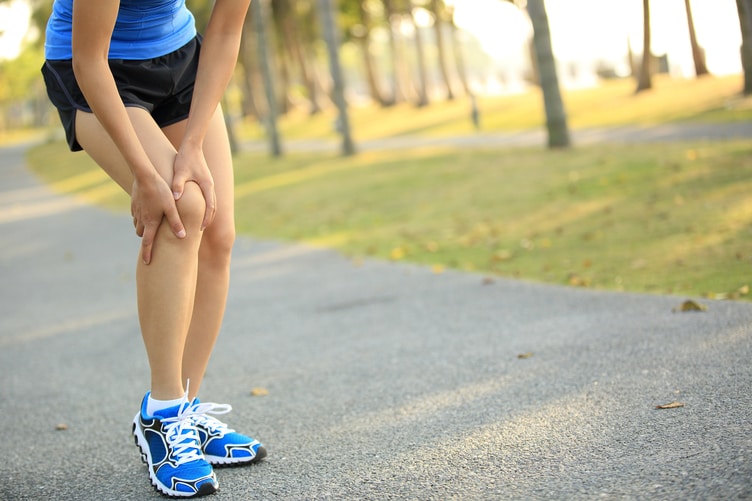
Picture this. You are in the middle of a basketball game, turning quickly for a shot when suddenly your knee gives out. That sharp twist sends a jolt of pain that stops you cold. Moments like these happen to weekend warriors and pros alike, turning fun into frustration.
Knee pain from sudden twists and sports injuries can last longer than many people expect. It sneaks up after soccer slides, skiing falls, or even a quick change of direction on the court. These mishaps strain the knee’s delicate structures, leaving you sidelined and wondering how to get back on your feet.
The good news is that the right care can help reduce pain and support faster healing. From understanding what’s gone wrong inside your knee to smart steps for healing, this guide walks you through it all. Let’s explore practical ways to fix that nagging pain and reclaim your active life.
Understanding Twists and Common Knee Injuries
Sudden twists hit the knee hard because it relies on a mix of bones, ligaments, and cartilage to stay stable. When you plant your foot and turn too fast, those parts can tear or shift out of place. The result is often pain, swelling, and difficulty moving comfortably.
Torn Meniscus from Quick Pivots
The meniscus acts like a cushion between your thighbone and shinbone, absorbing shocks during jumps and turns. A sudden twist can rip this C shaped cartilage, especially if you’re playing tennis or football. You might hear a pop, feel immediate pain, and notice your knee locking up.
Seeking a meniscus specialist early makes all the difference. They pinpoint the tear with imaging and guide you toward the right fix, whether rest or surgery. This approach prevents small issues from becoming chronic problems that sideline you for months.
Ligament Sprains and Partial Tears
Ligaments like the ACL and MCL stretch or tear under twisting force. An ACL sprain often comes from a sharp cut while running, leaving your knee wobbly and tender. It’s frustrating when you can’t trust your leg for basic movements.
These injuries swell fast, so ice and elevation become your first steps. A doctor assesses the damage to rule out full tears, which might need bracing or rehabilitation. Gentle care here keeps you moving without risking more harm.
Cartilage Wear Beyond the Tear
Twists don’t just target the meniscus. They grind other cartilage too. Over time, this leads to rough spots that ache during squats or stairs. It’s like sandpaper inside your joint, quietly building discomfort.
Building knee strength through low impact exercises helps protect these areas. Think swimming or biking, which ease pain without the twist risk. Patience pays off as you rebuild resilience.
Steps to Heal and Strengthen Your Knee
Healing starts with rest, but it doesn’t stop there. Smart recovery blends protection, therapy, and gradual return to activity. Rushing back often leads to repeat injuries, so take it slowly.
Immediate Care After the Twist
Right after the injury, follow RICE, which stands for rest, ice, compression, and elevation. Wrap your knee lightly to reduce swelling, and prop it up higher than your heart. This simple routine dulls the sharp pain within hours.
Over the counter pain relievers like ibuprofen help too, but check with a doctor first. Avoid heat early on because it can worsen swelling. These steps buy time for your knee to settle.
Physical Therapy for Lasting Strength
Once swelling decreases, therapy rebuilds stability. A therapist tailors exercises to your twist injury, starting with Once swelling decreases and progressing to balance work. It’s empowering to feel control return.
Sessions focus on quad and hamstring strength, key for twist protection. Many people notice less pain after just a few weeks. Consistency helps turn weakness into confidence.
When to Consider Advanced Options
If pain continues beyond six weeks imaging reveals deeper issues. Bracing supports unstable knees during sports, while injections reduce inflammation for some. In rare cases, arthroscopy cleans up tears minimally invasively. It is also worth noting that sports related injuries often affect multiple areas at once. Foot and lower leg pain frequently accompanies knee stress, particularly in the form of plantar fasciitis or tendon strain. For these kinds of persistent issues, non-surgical options like Beaver Valley Foot Clinic’s ESWT treatment have shown strong results in reducing inflammation and promoting tissue repair without the downtime of surgery. For knee injuries specifically, surgical decisions are never taken lightly.
Doctors weigh your activity level before suggesting surgery. Rehabilitation after surgery can help you return stronger and more stable. Listening to your body is important because pushing through pain may lead to more problems.
Advanced Prevention for Active Lifestyles
Prevention keeps twists at bay once you’re healed. It involves smart training, gear, and habits that fortify your knee against sports related strain.
Building Twist-Resistant Muscles
Core and leg strengthening exercises help protect against injuries. Exercises like lunges with a twist mimic sports moves safely. Add them twice weekly to boost stability.
Yoga or Pilates improves flexibility, making pivots smoother. Strong glutes reduce pressure on the knees, which can help runners and cyclists. Small habits yield big protection.
Choosing the Right Gear and Warm-Ups
Proper shoes with good traction prevent slips on courts or trails. Cleats for grass sports grip without excess twist. Replace worn pairs regularly.
Always warm up with dynamic stretches like leg swings or high knees. This primes ligaments for action. Cooling down after activity may also help reduce soreness and stiffness.
Listening to Your Body Long-Term
Track how your knee feels during activity. Mild soreness may signal the need for rest, while sharp pain should not be ignored. Rest days are an important part of recovery and injury prevention.
Nutrition also supports healing. Foods rich in collagen and staying hydrated may help support cartilage and joint health. Over time, these habits can help you stay active with less pain.
Putting It All Together for Knee Recovery
Sudden twists and sports injuries test your knee, but understanding meniscus tears, ligament strains, and recovery steps empowers you to bounce back. From immediate care to therapy and prevention, each step supports a safer return to movement.
The key takeaway is acting early with professional input. Don’t let knee pain keep you from the activities you enjoy. Speaking with a doctor can help you recover safely and regain confidence in your movement.