Common Factors That Influence How Your Skin Heals After Injury
 By Pat Harry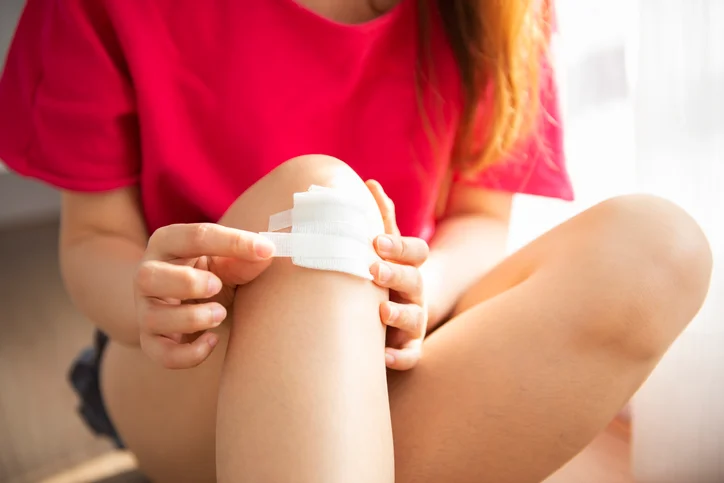
Imagine slicing your finger while chopping vegetables or scraping your knee on a rough sidewalk. Most of us have been there. That initial sting fades, and soon a scab forms, promising smooth skin ahead. But sometimes, healing takes an unexpected turn, leaving behind raised or thickened marks that linger longer than you’d like.
Your skin’s repair process is a quiet miracle, driven by a rush of cells and proteins working behind the scenes. Yet, not every wound follows the same path. Factors like your age, habits, and even where the injury happens can shape the outcome, turning a simple cut into something more stubborn.
Understanding these influences helps explain why some scars fade gracefully while others need more attention. Whether you’re dealing with a fresh scrape or considering options like keloid scar removal, knowing the basics empowers you to support your skin’s natural recovery.
Genetics and Your Skin’s Healing Blueprint
Your genes play a major role in how wounds heal. Some people naturally produce more collagen, the protein that builds scar tissue. It’s like your body gets a bit overzealous in patching things up, creating thicker results than necessary.
Family History Plays a Role
If keloids or hypertrophic scars run in your family, you’re more likely to develop them after injuries. These raised scars form when healing goes into overdrive, often on the chest, shoulders, or earlobes. It is similar to a repair team using too much material while fixing a small problem.
This does not mean every wound will become a raised scar. But awareness lets you act early, perhaps with silicone sheets or gentle massage to guide the process.
Ethnic Background Influences Response
People with darker skin tones, such as those of African, Asian, or Hispanic descent, often face higher risks for excessive scarring. Melanin, the pigment that gives skin its color, may increase inflammation during healing, leading to extra collagen buildup.
It’s a common pattern seen in studies, yet individual experiences vary widely. A small burn might heal flat for one person but bulge for another, showing how unique skin healing can be.
Genetic Testing Insights
Emerging research explores gene markers linked to poor healing. While not routine yet, these could one day predict scar risks. For now, tracking your family’s history offers a practical clue to anticipate possible healing challenges.
Age and Lifestyle Choices
As we age, skin heals differently. Younger skin bounces back faster with more collagen, but that speed can sometimes lead to more noticeable scars. Older skin, meanwhile, heals more slowly yet often more smoothly because inflammation tends to be calmer.
Youthful Skin’s Double-Edged Speed
Teens and young adults produce collagen at peak levels, which closes wounds quickly. The downside is that this rapid healing can trap excess tissue, forming raised scars more readily. Think of it as a fast construction job that leaves uneven results.
Keeping wounds moist with ointments helps slow excessive dryness and support smoother healing.
Mature Skin’s Steady Pace
Over 50, healing slows due to thinner skin and fewer repair cells. Scars tend to flatten over time, though risks like infections rise if circulation lags. Staying hydrated and nourished supports this gradual healing process and helps the skin recover more comfortably.
Habits That Tip the Balance
Sun exposure ramps up melanin and collagen chaos, worsening scars. Smoking constricts blood flow, starving wounds of oxygen and nutrients. Both delay healing and increase the risk of more visible scarring. Simple swaps, like shade and quitting tobacco, make a real difference without much effort.
Wound Characteristics and Care Practices
The injury itself dictates a lot. Size, depth, and location matter, as does how you tend it. A deep cut on a high tension area like the back invites more drama than a shallow nick on your forearm.
Location on the Body
Skin over joints or high movement areas, such as knees or shoulders, stretches during healing, pulling scars wider or thicker. Constant motion disrupts repair, like trying to pave a road while cars keep driving over wet asphalt.
Using tension reducing tapes early can help limit movement, allowing scars to heal more smoothly.
Depth and Cleanliness
Superficial scratches heal with little trouble, but deeper cuts affect multiple skin layers, sparking bigger inflammatory responses. Dirt or delayed cleaning invites bacteria, prolonging the fight and boosting scar tissue.
Rinsing promptly with mild soap and loosely covering them helps keep the area clean, allowing the skin to focus on healing.
Infection and Tension Factors
Even minor infections trigger extra collagen floods, mimicking keloid growth. Tension from swelling or tight clothing adds stress, widening marks. Gentle pressure and elevation curb both, fostering calmer healing.
Nutrition and Overall Health
What you eat supports every stage of the healing process. Vitamins and proteins act as building blocks, while chronic conditions can throw wrenches into the works.
Key Nutrients for Repair
Vitamin C powers collagen synthesis, zinc aids cell growth, and protein provides the raw materials. A diet rich in citrus, nuts, and lean meats speeds closure and minimizes excess tissue. These nutrients give the skin the support it needs to recover properly.
Managing Health Conditions
Diabetes slows circulation, raising infection odds and scar prominence. Autoimmune issues can inflame wounds unpredictably. Controlling blood sugar or consulting doctors ensures healing stays on track.
Hydration’s Quiet Power
Water helps keep skin healthy and supports efficient cell function. Dehydration thickens blood, hindering nutrient delivery. Sipping steadily throughout the day is an easy win for better outcomes.
Putting It All Together
From your genetic makeup to daily choices, skin healing weaves together biology, care, and circumstance. A family history of stubborn scars may lead some people to explore keloid scar treatment options, while healthy habits like sun protection and proper nutrition can improve healing results.
No two wounds heal exactly the same way, but understanding these factors helps you care for your skin more effectively. Next time you spot a healing spot acting up, consider these influences and chat with a dermatologist for tailored advice. Your skin will thank you with smoother stories ahead.