
Why Accountability Matters in Workplace Safety Cases
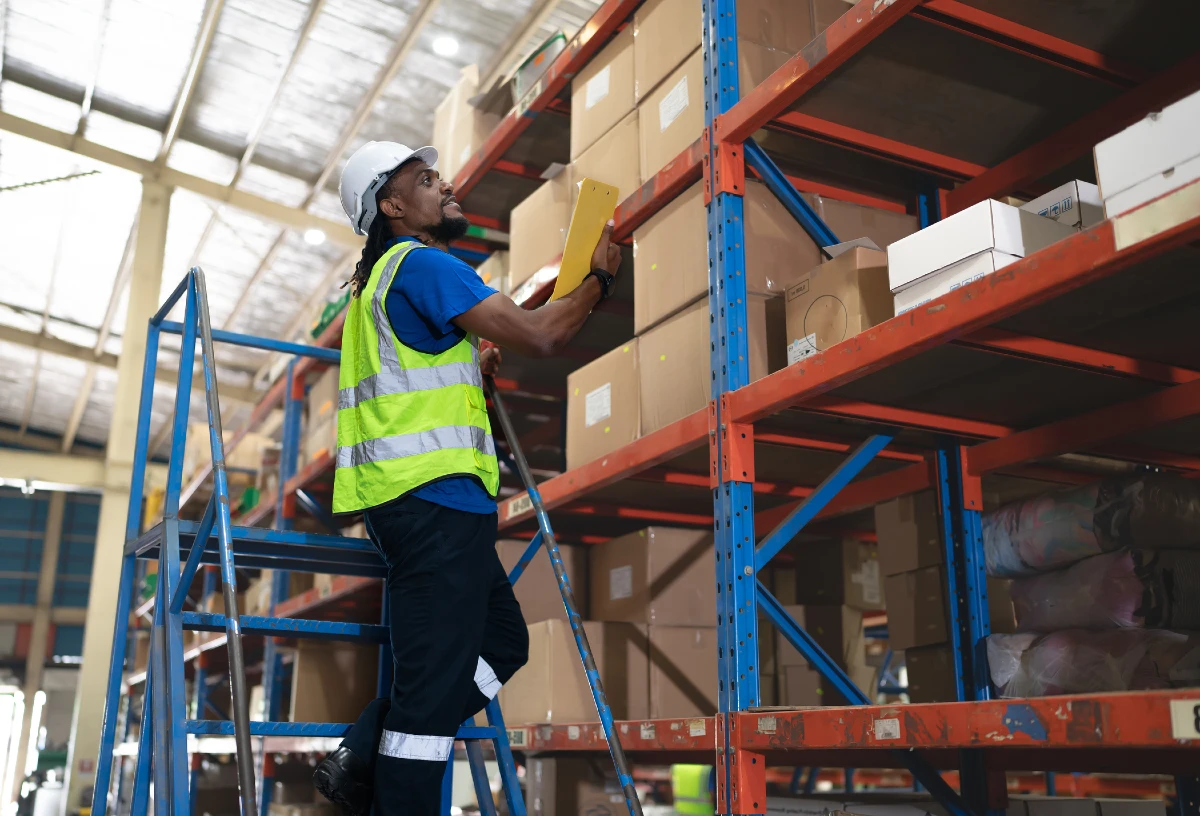
Workplace safety is a fundamental responsibility that affects both employees and employers alike. When safety standards are properly maintained, workers can perform their duties with confidence, knowing that their well-being is protected. However, when safety measures are ignored or overlooked, the consequences can be serious and long lasting.
Accountability plays a central role in ensuring that workplace safety is upheld. It serves as a mechanism for identifying responsibility, addressing failures, and promoting better practices moving forward. By understanding why accountability matters, individuals and organizations can contribute to safer and more responsible work environments.
Establishing Responsibility in the Workplace
Accountability begins with clearly defining responsibility. Employers, supervisors, and other parties involved in the workplace each have specific roles in maintaining safety standards. When these roles are clearly understood, it becomes easier to identify where breakdowns may have occurred.
In workplace safety cases, establishing responsibility is essential for determining how and why an incident happened. This process often involves reviewing procedures, examining records, and gathering input from those involved. These steps help create a clearer picture of whether safety protocols were properly followed.
When responsibility is clearly established, it provides a foundation for addressing issues effectively. This clarity ensures that the appropriate actions can be taken to prevent similar incidents in the future.
Encouraging Safer Work Practices
Accountability plays an important role in encouraging better safety practices across all levels of an organization. When individuals know they are responsible for maintaining safety standards, they are more likely to take their duties seriously. This awareness helps create a culture where safety is treated as a priority rather than an afterthought.
Employers who emphasize accountability often implement regular training, inspections, and evaluations to ensure compliance. These measures reinforce the importance of safety and help identify potential risks before they lead to harm.
A strong culture of accountability also promotes consistency. When safety protocols are followed consistently, the likelihood of accidents and exposure risks is significantly reduced. This proactive approach benefits both employees and the organization as a whole.
Addressing Negligence and Preventing Future Harm
In many workplace safety cases, accountability is closely tied to identifying negligence. When proper precautions are not taken, or when known hazards are ignored, the risk of injury or illness increases. Holding responsible parties accountable helps ensure that these failures are addressed.
Accountability serves as a deterrent against future negligence. When organizations understand the consequences of failing to meet safety standards, they are more likely to implement stronger safeguards. This shift helps reduce the likelihood of similar incidents occurring again.
Legal guidance can be an important part of this process. Working with a mesothelioma lawyer can help individuals understand how accountability applies to their specific situation and what steps may be necessary to pursue a claim. This support helps ensure that negligence is properly addressed and that appropriate action is taken.
Supporting Fair Outcomes for Affected Individuals
Accountability is essential for ensuring that individuals affected by workplace safety issues are treated fairly. When responsibility is established, it becomes possible to address the impact of the incident and consider appropriate remedies. This process helps provide a sense of closure and justice for those involved.
Fair outcomes often depend on thorough documentation and clear evidence. Medical records, workplace reports, and expert evaluations all contribute to building a comprehensive understanding of the situation. These elements help ensure that decisions are based on accurate and complete information.
Promoting Transparency and Trust
Transparency is a key component of accountability. When organizations are open about their practices and willing to address issues, it builds trust among employees and stakeholders. This trust is essential for maintaining a positive and productive work environment.
Open communication allows concerns to be raised and addressed before they escalate. Employees who feel comfortable reporting potential hazards contribute to a safer workplace overall. This collaborative approach strengthens the effectiveness of safety measures.
Trust is reinforced when accountability is consistently applied. When individuals see that safety concerns are taken seriously and that action is taken when needed, they are more likely to remain engaged and committed to maintaining a safe environment.
Conclusion
Accountability is a critical factor in workplace safety cases, ensuring that responsibility is identified, negligence is addressed, and fair outcomes are achieved. By promoting transparency, reinforcing standards, and encouraging continuous improvement, accountability helps create safer and more reliable work environments.
When organizations and individuals prioritize accountability, they contribute to a culture that values safety and responsibility. This commitment not only protects workers but also supports long-term success and trust within the workplace.