
How to Prepare for a Consultation Regarding Your Vision Concerns
 By Pat Harry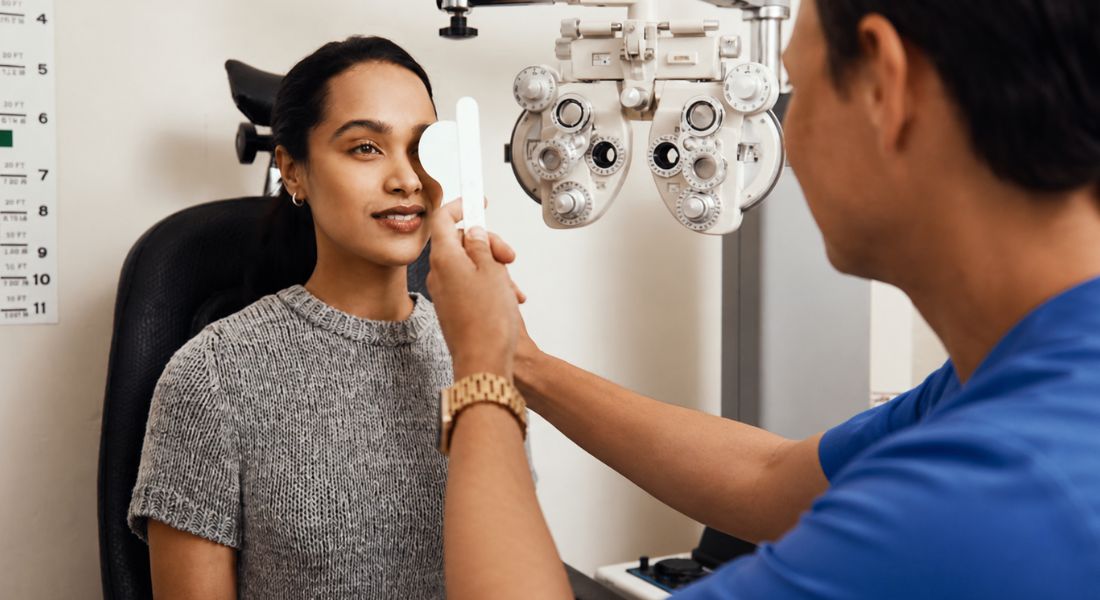
Imagine squinting at the road signs during your evening drive or struggling to read the fine print on a menu with friends. Moments like these remind people how much clear vision shapes daily life. For many, blurry vision or glare can signal deeper issues worth checking out.
A consultation with an eye specialist offers clarity and a path forward. Patients often feel a mix of nerves and hope walking into that appointment. Proper preparation turns uncertainty into confidence, helping them get the most from the visit.
This guide walks through steps anyone facing vision concerns can take. It focuses on practical actions that make the appointment smoother and more productive, no matter the issue.
Understand Your Vision Symptoms
Patients should start by reflecting on what they notice day to day. Jotting down specifics helps paint a clear picture for the doctor. Blurry edges on objects, trouble seeing at night, or colors appearing faded all matter.
Track Daily Impacts
One patient might notice stairs feel harder to see in dim lighting. Another notices halos around streetlights after dark. Writing these observations in a simple notebook keeps details accurate.
Keeping a log for a week or two can reveal patterns. Did symptoms worsen with fatigue or bright sun? This info gives the doctor clearer insight right away.
Note Changes Over Time
Vision shifts sneak up slowly for some. A person may remember when reading glasses stopped working as well. Tracking timelines, like “started six months ago,” sharpens the discussion.
Sudden changes should also be recorded immediately. Logging dates and triggers allows patients to share clear information without guessing.
Consider Lifestyle Factors
Work, hobbies, or screen time influence vision. Someone staring at computers all day might link dryness to that habit. Sharing these ties symptoms to real life.
Family history is also important. If relatives had similar vision issues, mentioning it can help the professional understand possible risks earlier.
Gather Your Medical History
Reviewing past health information helps create a complete picture. Patients should gather relevant records so the consultation is more focused.
List Current Medications
Pills for blood pressure or allergies can affect eyes. Patients should list names, dosages, and how long they’ve taken them. Over the counter eye drops should also be included. Doctors appreciate this rundown. It helps identify possible interactions before recommending treatment.
Recall Past Eye Care
Previous eye exams and prescriptions provide useful context. Changes in glasses or contact lens strength are especially important. Notes about surgeries or injuries should also be included. Even old records from years back hold value. Patients who bring summaries keep things moving smoothly.
Include Overall Health Details
Conditions like diabetes or high cholesterol can affect vision. Sharing these openly builds a complete profile. Allergies to certain materials matter during exams. Patients who prepare this list feel heard and proactive.
Research and Choose the Right Specialist
Choosing the right professional is as important as preparation. Patients seek someone with expertise in their specific concerns. A cataract surgery specialist is trained to treat clouded vision caused by cataracts.
Ask for Referrals
Friends and family can offer helpful recommendations based on their experiences. Online reviews from trusted sites offer glimpses into care styles. Patients weigh bedside manners alongside skills. Primary doctors give solid leads too. Their networks point to pros who fit individual needs.
Verify Credentials and Experience
Board certification and years of practice help confirm expertise. Patients can review clinic websites to learn about procedures and experience. Questions about success rates feel natural here. This research eases worries before the first hello.
Prepare Questions in Advance
Patients should write down key questions before the appointment. These may include what tests are needed or how lifestyle changes can help. Patients who arrive with a short list guide the talk. It shows they’re engaged and serious about solutions.
Plan for the Appointment Day
Logistics smooth the path to a great visit. Patients think ahead to stay calm and focused.
Schedule Wisely
Morning appointments may suit early risers better. Avoiding rush hours can reduce stress. Confirming details a day prior prevents mix ups. Bringing a trusted companion helps too. They listen and remember points patients might miss.
Pack Essentials
Bring identification, insurance cards, and symptom notes. A small snack wards off hunger during waits. Comfortable clothes make eye exams easier. Patients who plan these bits arrive relaxed.
During the Consultation
The room feels brighter when prepared. Patients share their notes confidently. Doctors respond with tailored insights.
Communicate Openly
Patients should speak honestly about concerns or fears. Saying things like “I’m worried this affects my driving” helps guide the discussion. Eye pros value this directness. Listen actively to explanations. Repeating back key points confirms understanding.
Undergo Tests Patiently
Eye tests such as dilation or air puff tests may be used. Patients stay still and follow cues for accurate results. Doctors often explain findings right away, allowing for real time questions.
After the Consultation
Follow up turns talk into action. Patients review notes and next steps at home.
Review Recommendations
Prescriptions or lifestyle tweaks need clear plans. Setting reminders can help maintain consistency. If anything is unclear, contacting the clinic is encouraged.
Schedule Follow-Ups
Many eye conditions require monitoring. Booking the next visit locks in progress. Tracking changes between appointments sharpens future talks.
In wrapping up, preparation empowers patients facing vision concerns. From symptom logs to smart questions, these steps make consultations count. Anyone noticing changes deserves clear answers and compassionate care. Reach out to a trusted eye professional soon, and take that first step toward sharper days ahead.
You Might Also Like