How to Know When Your Pool Chlorinator Cell Needs Replacement
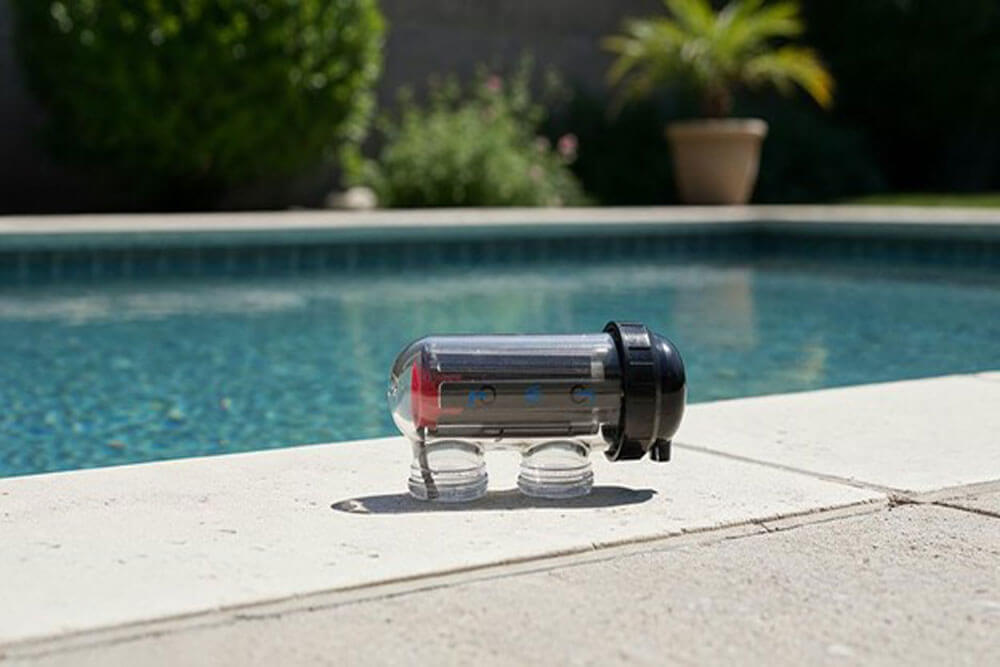
A well-maintained swimming pool relies heavily on a properly functioning chlorination system, and one of the most important components in this setup is the chlorinator cell. Over time, even the most reliable systems begin to show signs of wear and reduced efficiency. One common concern many pool owners face is recognising the right time for a pool salt cell replacement, especially when water clarity and sanitisation levels begin to fluctuate unexpectedly. Understanding these signs early can help maintain water quality and prevent costly repairs.
Understanding the Role of a Chlorinator Cell
A chlorinator cell is the core working component of a salt water chlorination system. It uses a process called electrolysis to convert dissolved salt into chlorine. This chlorine then sanitises the pool by controlling bacteria, algae, and other contaminants.
Over time, this natural wear reduces the efficiency of chlorine production. Even if the system continues running, the output may no longer be strong enough to maintain proper sanitisation levels. This gradual decline is why regular monitoring of water quality and system performance is essential for long-term pool care.
Common Signs That the Cell Is Wearing Out
Reduced chlorine output
One of the earliest and most noticeable signs is a drop in chlorine levels despite the system running as normal. Water may start to feel less balanced, and sanitisation becomes inconsistent. This often indicates that the cell is no longer producing chlorine effectively.
Cloudy or dull water appearance
When chlorine production decreases, the water can lose its clarity. A pool that once looked bright and inviting may begin to appear slightly cloudy or dull. This change often develops gradually and may be overlooked at first.
Increased algae formation
A weakening chlorinator cell can allow algae to grow more easily. Green patches on surfaces or slippery areas may appear more frequently. This is a strong indicator that sanitation levels are no longer being maintained properly.
Calcium scaling on cell plates
Mineral buildup on the internal plates can interfere with the electrolysis process. While light scaling can sometimes be cleaned, repeated or heavy buildup often signals that the cell is nearing the end of its functional life.
System warning indicators
Many modern chlorination systems include alerts or warning lights. When these indicators appear regularly, they should not be ignored. They often point to reduced cell efficiency or internal damage.
When Professional Assessment Becomes Important
There are situations where it becomes difficult to determine whether the issue lies with the chlorinator cell or another part of the system. Problems with water balance, pump performance, or electrical components can sometimes produce similar symptoms.
In such cases, working with an experienced pool builder in Bendigo provides clarity and prevents unnecessary replacement of working parts. A specialist can measure chlorine output and assess overall system performance to identify the exact cause of the issue.
Maintenance Practices That Extend Performance
Proper maintenance plays a major role in extending the lifespan of a chlorinator cell and maintaining stable water quality. Some key maintenance practices include:
- Regular inspection of the cell helps identify early signs of scaling or wear before performance declines significantly.
- Cleaning the cell regularly helps maintain efficient chlorine production and prevents mineral buildup.
- Maintaining balanced water chemistry supports long-term cell health and reduces unnecessary strain on the system.
- Monitoring salt levels ensures the system operates within the correct range for optimal chlorine generation.
- Keeping the filtration system clean allows water to flow efficiently through the chlorination unit.
- Avoiding prolonged operation at maximum output settings can help reduce wear on internal components.
Consistent care reduces stress on the system and helps delay the need for replacement, although eventual wear remains unavoidable.
Conclusion
A chlorinator cell plays a vital role in maintaining safe and clean pool water, but it does not last indefinitely. Regular maintenance, combined with early identification of performance changes, ensures the system continues operating efficiently. When problems persist, professional evaluation helps confirm whether repair or replacement is required. Taking a proactive approach ensures the pool remains clean, balanced, and ready for use throughout the year.
Frequently Asked Questions
How long does a pool chlorinator cell usually last?
A chlorinator cell typically lasts several years, depending on water balance, usage levels, and maintenance practices. Proper care can help extend its lifespan.
What is the first sign of a failing chlorinator cell?
A common early sign is reduced chlorine production, which can lead to subtle changes in water clarity and balance.
Can a dirty chlorinator cell still work properly?
Light scaling may still allow operation, but heavy buildup significantly reduces efficiency and can strain the system.
Why does algae appear even when the system is running?
Algae growth often indicates insufficient chlorine production caused by a weakening or inefficient chlorinator cell.
How often should water chemistry be checked?
Regular testing is recommended to maintain balanced water conditions and ensure the chlorinator cell operates effectively.

You Might Also Like