How to Choose the Right Cooling System for Your Home
 By Pat Harry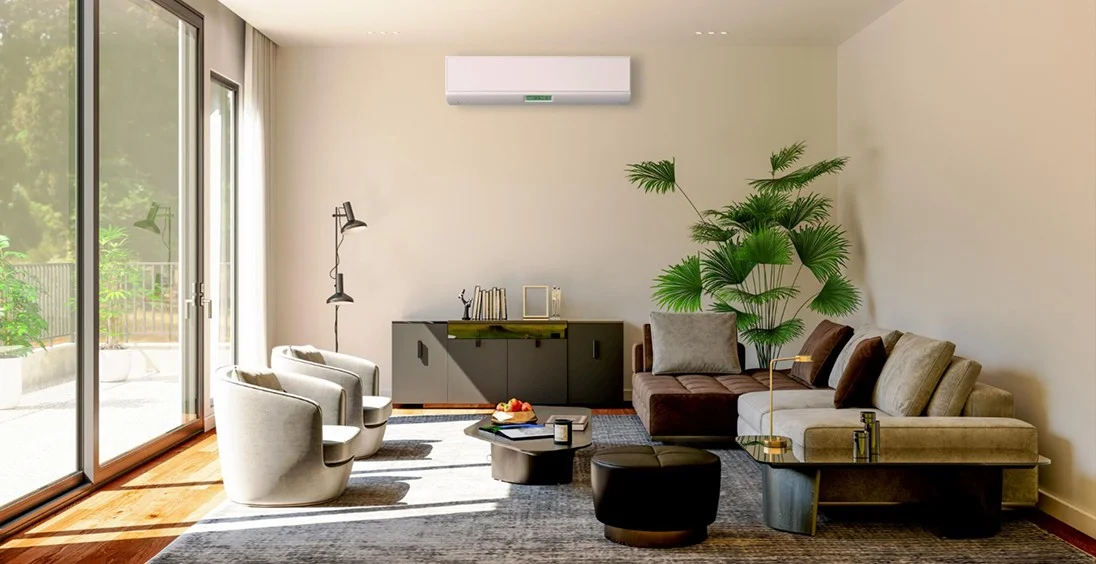
Choosing the right cooling system for your home is an important decision that affects comfort, energy use, and long term costs. With warm temperatures becoming a regular part of life in many regions, homeowners rely heavily on effective cooling to maintain a pleasant indoor environment. The right system can make daily life more comfortable while also helping manage utility expenses and indoor air quality.
Because homes differ in size, layout, and insulation, there is no single solution that works for everyone. Understanding what factors matter most allows homeowners to make informed choices that fit their specific needs. Taking time to evaluate options before committing can prevent costly mistakes and improve satisfaction for years to come.
Understanding Your Home’s Cooling Needs
Every home has unique characteristics that influence how efficiently it can be cooled. Square footage, ceiling height, window placement, and insulation quality all affect how much cooling power is required. Older homes may require different considerations than newer constructions due to building materials and design.
Climate also plays a major role in determining cooling needs. Homes in consistently hot regions often require systems designed for extended, heavy use. Evaluating how often and how intensely cooling is needed helps narrow down appropriate system types and capacities.
Central Air Systems and Their Benefits
Central air conditioning systems are a popular choice for many homeowners because they provide consistent cooling throughout the entire house. These systems use ductwork to distribute cooled air evenly, creating a balanced indoor temperature. For families seeking a whole home approach, central air can be a practical option.
One benefit of central systems is their ability to integrate with existing heating systems. This allows for streamlined control and unified maintenance. However, proper sizing and installation are critical to ensure efficiency and avoid unnecessary energy use.
Considering Ductless and Alternative Cooling Options
Ductless mini split systems offer flexibility for homes without existing ductwork. These systems allow individual rooms or zones to be cooled independently, which can improve comfort and reduce energy waste. They are often ideal for home additions or spaces that are difficult to cool with a central system.
Other alternatives include evaporative coolers or hybrid systems that combine multiple technologies. While these options may not suit every climate, they can provide targeted solutions in certain environments. Understanding the strengths and limitations of each type helps homeowners choose the system that best matches their lifestyle.
Energy Efficiency and Long Term Savings
Energy efficiency is a key factor when choosing a cooling system. High efficiency units may cost more upfront, but they often lead to significant savings over time through reduced energy consumption. Efficiency ratings provide guidance on how much electricity a system uses under normal conditions.
Selecting an energy efficient system also contributes to environmental responsibility. Lower energy use reduces strain on power grids and decreases emissions. Homeowners who plan to stay in their home for many years often benefit the most from investing in higher efficiency equipment.
Sizing the System Correctly
One of the most common mistakes homeowners make is choosing a cooling system that is either too large or too small. An oversized system cools the home too quickly, which can lead to frequent cycling and uneven humidity levels. An undersized system may struggle to maintain comfortable temperatures during peak heat.
Professional evaluation is essential to determine the correct size. Factors such as home layout, insulation, and local weather patterns are considered to ensure accurate recommendations. Proper sizing improves comfort, efficiency, and system longevity.
The Importance of Professional Installation
Even the best cooling system will not perform properly if it is poorly installed. Proper installation ensures correct airflow, secure connections, and optimal system operation from the start. This step is especially important in climates with prolonged heat exposure.
Homeowners exploring air conditioning installation in San Antonio should work with experienced professionals familiar with local climate demands. Qualified installers understand regional conditions and can recommend systems suited for sustained use. Professional installation helps protect manufacturer warranties and reduces the risk of future issues.
Maintenance and Long Term Reliability
Choosing a cooling system also means committing to regular maintenance. Filters, coils, and components require periodic inspection to keep the system running efficiently. Systems that are easy to maintain often last longer and perform more reliably.
Homeowners should consider the availability of service and replacement parts when selecting a brand or model. Reliable support makes a significant difference in long term ownership experience. Planning for maintenance from the beginning helps avoid unexpected expenses and disruptions.
Matching Comfort Features to Lifestyle
Modern cooling systems offer a variety of comfort features that can enhance daily living. Programmable thermostats, zoning controls, and humidity management options allow for customized comfort. These features are especially useful for households with varying schedules or temperature preferences.
Smart technology integration also allows homeowners to monitor and adjust cooling remotely. Matching these features to personal habits helps maximize comfort without unnecessary energy use. Thoughtful feature selection ensures the system fits seamlessly into daily routines.
Conclusion
Choosing the right cooling system for your home involves more than selecting a popular option. By understanding your home’s needs, evaluating system types, prioritizing efficiency, and ensuring proper installation, homeowners can make confident and informed decisions. A well chosen cooling system provides lasting comfort, reliable performance, and peace of mind during even the hottest months.
You Might Also Like