Eye Drops Designed For Age-Related Near Vision Changes
 By Pat Harry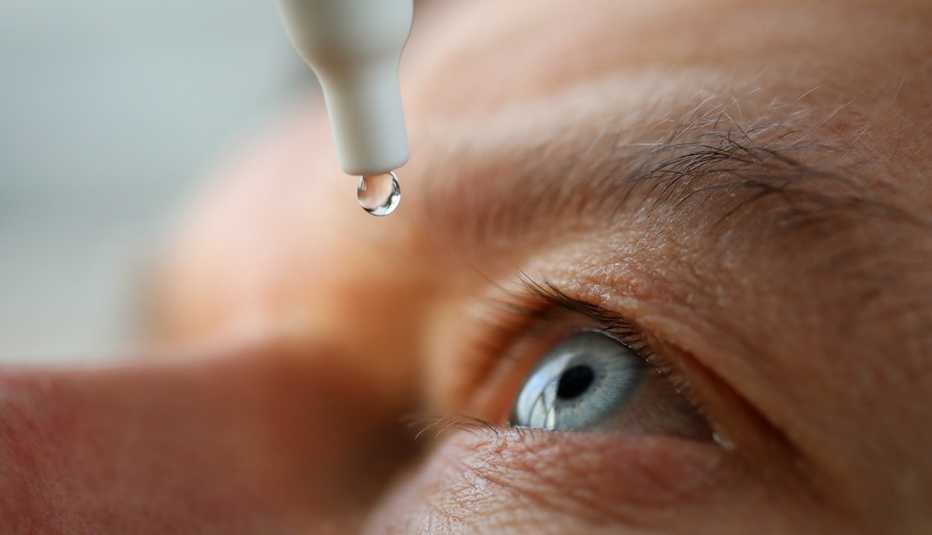
You’re holding your phone at arm’s length. Again.
Not dramatically. Not in panic. Just… a little farther than yesterday.
You squint. Tilt the screen. Increase brightness like that’s somehow the issue. It’s not. And deep down, you know it. This is how it starts.
Welcome to the slow creep of near vision changes.
The Moment Your Eyes Betray You
It’s almost funny, until it isn’t.
One day you’re reading tiny text in dim lighting like a superhero. The next, menus feel like abstract art. You borrow someone’s reading glasses “just to check something,” and suddenly everything snaps into HD.
Suspiciously good.
That shift? It’s usually presbyopia. A natural aging process where your eye’s lens stiffens over time. According to the National Eye Institute, it shows up for most people in their 40s. No drama, no warning, just a quiet downgrade in focus.
Glasses Were the Answer. Past tense.
For years, the solution has been predictable: readers, bifocals, maybe contacts if you’re feeling ambitious.
Functional? Sure. Elegant? Not exactly.
You carry them. Lose them. Sit on them. Buy backups for your backups.
And then, finally, something new enters the chat: eye drops designed for near vision.
So… Eye Drops? Really?
Yes. And no, they’re not magic. But they’re close enough to raise eyebrows.
Brands like VIZZ are part of this new wave, offering eye drops designed to support near vision by enhancing how your eyes focus in everyday situations.
These newer eye drops don’t “fix” your lens. Instead, they tweak how light enters your eye. By slightly constricting the pupil, they create what’s called a pinhole effect, basically increasing depth of field so nearby objects sharpen up.
Think of it less like zooming in, more like dialing in focus.
Subtle shift. Big difference.
Why People Are Paying Attention
Because, let’s be honest, this feels easier.
No frames. No switching between glasses. No “where did I put them this time?” spiral.
Just a few drops and… clarity.
Here’s what makes them appealing:
- Low effort: Part of a routine, like brushing your teeth
- Portable: No accessories required
- Temporary: Use when you need it, skip when you don’t
- Discreet: No visual cue that you’re “correcting” anything
It’s not about replacing glasses entirely. It’s about having options. Finally.
What It Actually Feels Like
Most users notice a difference pretty quickly, often within minutes. Text sharpens. Screens feel less hostile. Menus stop playing games with you.
The effect lasts for several hours, depending on the formula and your eyes.
Are there trade-offs? A few.
Some people mention slight dimness in low light. Others notice mild irritation early on. Nothing dramatic, but worth noting. Eyes are picky. They always have been.
The Bigger Shift No One Talks About
This isn’t just about eye drops. It’s about how we’re approaching everyday health.
Less “correct and commit.” More “adapt and adjust.”
We’re moving toward solutions that fit into life, not the other way around.
Brands like VIZZ are leaning into that idea. Not by reinventing vision science entirely, but by making it more usable. More… human.
And honestly? That matters.
Let’s Be Clear, This Isn’t a Miracle Cure
If your vision changes are more advanced, you’ll still need traditional correction. Glasses aren’t going anywhere.
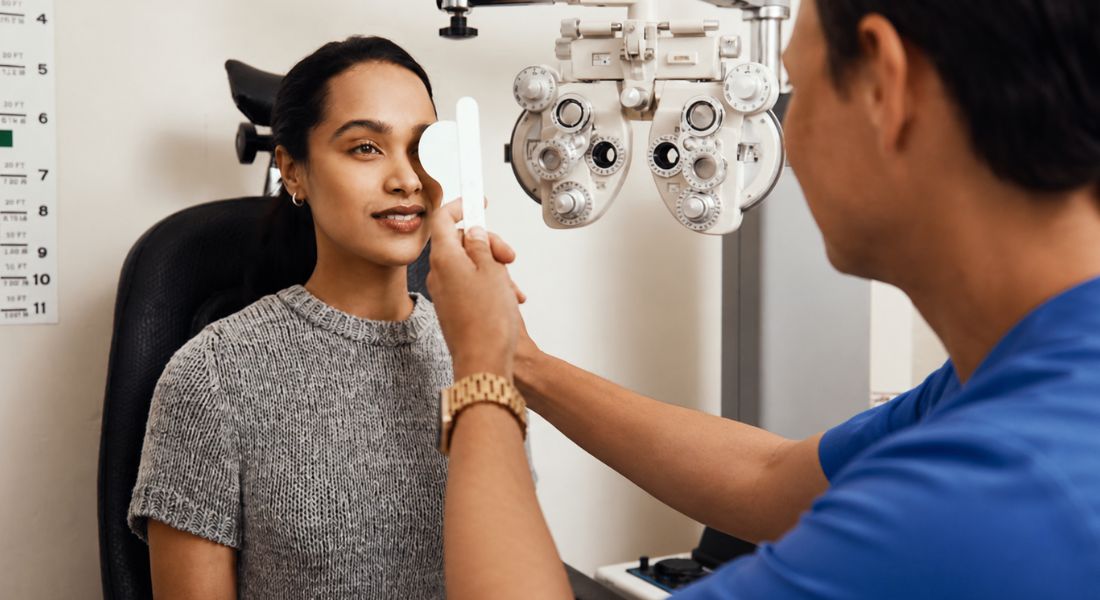
And eye exams? Non-negotiable. Always.
But for that in-between stage, the “I can still manage, but it’s getting annoying” phase, these drops fill a gap that didn’t really exist before.
Final Thought (Or Mild Rant)
We’ve accepted blurry menus and stretched arms for way too long.
Like it’s just part of the deal.
Maybe it is. But maybe it doesn’t have to be quite so inconvenient.
Because if a few drops can give you back that effortless clarity, even temporarily, that’s not nothing.
That’s actually kind of a big deal.