
Why Personalization Is the New Standard in Event Design
 By Pat Harry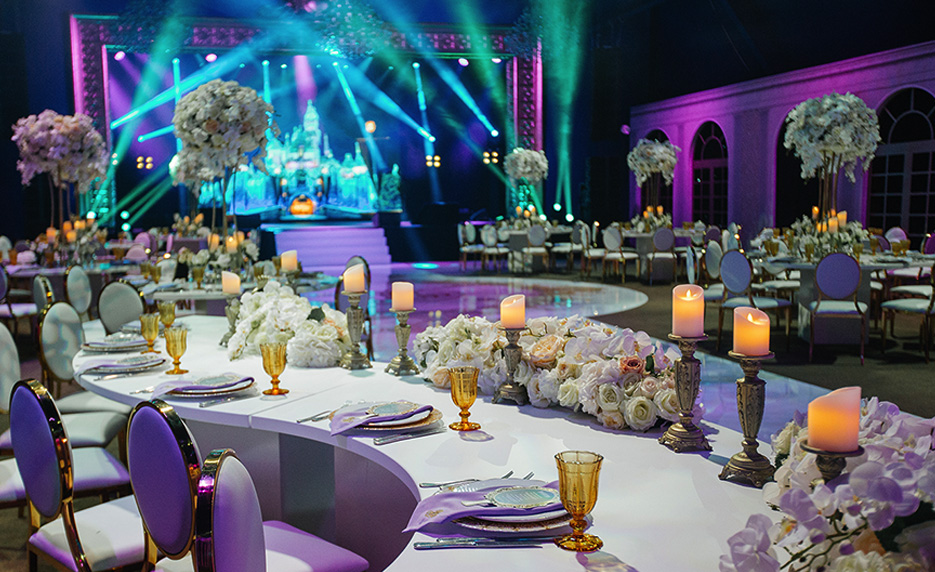
Event design has evolved significantly in recent years, shifting from standardized formats to highly customized experiences. Today’s guests expect more than a well-organized event. They look for moments that feel meaningful, unique, and tailored to their preferences. This shift has made personalization a defining feature of modern event design, especially in high-end and socially significant gatherings.
As expectations continue to rise, event planners are placing greater emphasis on creating experiences that resonate on a personal level. Personalization allows events to stand out and create lasting impressions that go beyond aesthetics. By understanding the value of customized experiences, it becomes clear why personalization has become the new standard in event design.
Moving Beyond Traditional Event Formats
Traditional events often followed predictable patterns, focusing primarily on logistics and visual appeal. While these elements remain important, they are no longer enough to captivate modern audiences. Guests now seek experiences that feel intentional and reflective of the host’s personality or purpose.
Personalization shifts the focus from a generic event structure to a more immersive and engaging experience. By incorporating details that reflect individual stories, preferences, or themes, events become more memorable and impactful. This approach transforms events into meaningful experiences rather than simple gatherings.
Creating Meaningful Guest Experiences
Personalization enhances the guest experience by making individuals feel valued and recognized. When events include thoughtful, tailored elements, guests are more likely to feel connected to the occasion. This connection contributes to a deeper level of engagement and enjoyment.
Customized details such as curated menus, personalized décor, or unique entertainment options help create a sense of exclusivity. These elements show that attention has been given to the guest experience, making the event feel more special. Even small touches can have a significant impact when they are thoughtfully executed.
The Role of Technology in Personalization
Technology has played a major role in advancing personalized event design. Digital tools allow planners to gather data, track preferences, and create customized experiences more efficiently. From interactive invitations to personalized event apps, technology enhances both planning and guest engagement.
These tools also allow for real-time adjustments, ensuring that events remain dynamic and responsive. For example, personalized content or interactive features can adapt based on guest participation, creating a more engaging environment. This flexibility adds a new dimension to event design.
By combining technology with creativity, planners can create experiences that feel both modern and deeply personalized. This integration ensures that events remain relevant and engaging in an increasingly digital world.
Reflecting Identity and Purpose
One of the most important aspects of personalization is its ability to reflect identity and purpose. Whether it is a wedding, corporate gathering, or social celebration, events often represent something meaningful. Personalization ensures that this meaning is clearly expressed throughout the design.
Incorporating elements such as cultural traditions, personal milestones, or brand identity helps create a cohesive narrative. This storytelling aspect enhances the overall experience and gives the event a deeper sense of purpose. Guests are more likely to remember events that feel authentic and meaningful.
Enhancing Visual and Emotional Impact
Personalization not only enhances the emotional connection but also elevates the visual appeal of an event. Customized design elements create a cohesive aesthetic that feels intentional and refined. This level of detail contributes to a more polished and professional presentation.
The emotional impact of personalization is equally significant. When guests feel that an event has been designed with care and consideration, it creates a positive and lasting impression. This emotional response often becomes one of the most memorable aspects of the experience.
A social event planner can help achieve this balance by combining creative design with thoughtful execution. Their ability to bring personalized concepts to life ensures that the event feels both visually stunning and emotionally engaging.
Conclusion
Personalization has become the new standard in event design because it transforms events into meaningful and memorable experiences. By focusing on individual preferences, storytelling, and thoughtful details, it creates a deeper connection between guests and the event itself.
As expectations continue to evolve, personalized design will remain a key factor in creating successful and impactful events. Through careful planning and creative execution, it is possible to deliver experiences that stand out and resonate long after they are over.