What Your Plumbing Issues Might Tell You About How Your Home Was Built
Plumbing problems can feel frustrating and unpredictable, but they often reveal more about a home’s original construction than people realize. A home’s plumbing system reflects the quality of the materials used, the skill of the builders, and the building codes in place at the time of construction. When issues begin to appear, they can offer important clues about how the home was designed, installed, and maintained over the years. Understanding these clues helps homeowners identify the source of recurring problems and make informed decisions about repairs or upgrades. It can also shed light on the history of the home and the long term reliability of its essential systems.
What Recurring Leaks Say About Materials and Aging
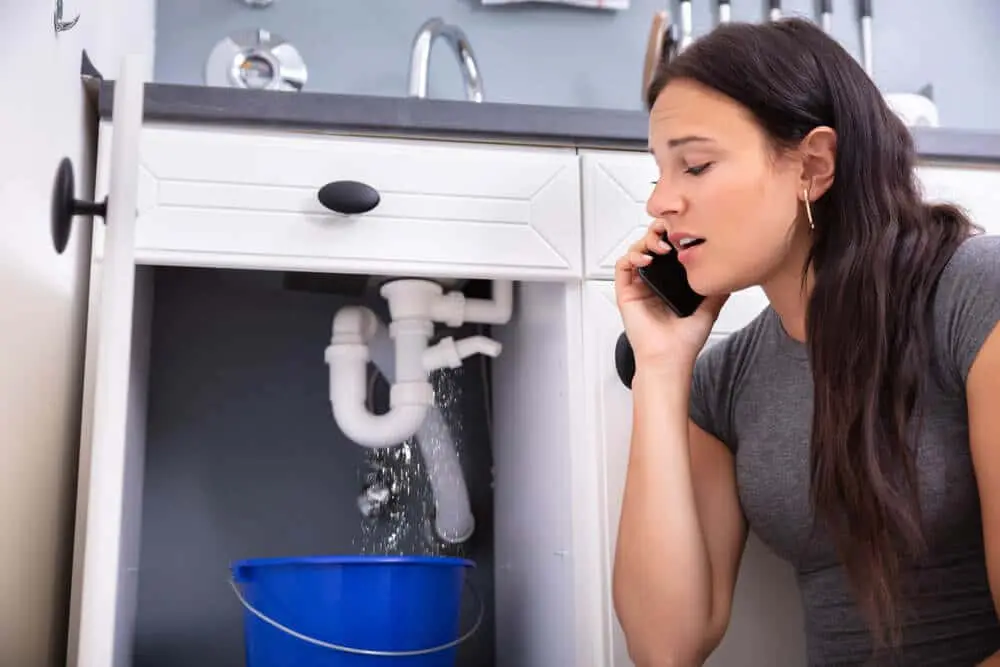
Leaks are one of the most common plumbing issues in older homes, and they often indicate aging materials or outdated installation practices. Many homes built decades ago used pipe materials that were durable at the time but have since reached the end of their lifespan. Copper pipes may develop pinhole leaks, galvanized steel may corrode from the inside, and polybutylene pipes may fail unpredictably due to chemical reactions with treated water.
When leaks happen frequently, they suggest the problem is not isolated but systemic. The pattern of leaks may point to specific weaknesses in the original design or material selection. Homeowners who notice repeated leaks may be seeing signs that the plumbing system is past its intended service life. In such cases, repairs offer only temporary relief, and replacement becomes the more reliable long term solution.
What Discoloration or Odor in Water Says About Infrastructure
Water discoloration or unusual odors can provide clues about the condition of a home’s plumbing infrastructure. Brown or rusty water often suggests corrosion inside steel or iron pipes. This corrosion occurs gradually over many years and reveals that the home likely contains original plumbing components that have exceeded their lifespan.
Odors may indicate bacterial buildup in pipes that are difficult to clean due to rough internal surfaces caused by age. Metallic tastes or mineral residue often suggest long term interaction between water and outdated materials. These signals help homeowners understand whether the plumbing installation reflects older building standards or materials that were common during a particular construction era.
What a Burst Pipe Says About Installation and Climate Preparedness
A burst pipe is one of the most urgent plumbing issues a homeowner can face, and it often reveals important information about how the home was built. In colder climates, builders must position pipes in insulated areas that protect them from freezing temperatures. When a pipe bursts, it may indicate that the original construction did not include adequate insulation or proper pipe placement.
Improper installation can leave pipes vulnerable to temperature changes or structural shifts. For example, a pipe installed too close to an exterior wall may freeze more easily. A burst pipe may also occur in homes where aging materials can no longer withstand pressure changes.
Events such as a burst pipe in Rome New York incident often highlight how regional weather patterns, building standards, and original construction decisions interact. This type of problem can reveal whether a home’s plumbing system was adequately prepared for local climate conditions when it was built.
How Plumbing Issues Reflect Renovation History
Many homes undergo renovations over time, and plumbing problems sometimes show where updates were incomplete, inconsistent, or poorly integrated. For example, a modern bathroom added to an older home may experience issues if new fixtures were connected to outdated pipes that can’t support higher water demands.
If drainage problems or pressure inconsistencies occur only in recently renovated areas, the issue may relate to how the new plumbing ties into the original system. This pattern can reveal differences between past building practices and more modern standards.
When Plumbing Issues Suggest the Need for System Updates
Persistent or widespread plumbing issues often show that the system needs more than small repairs. When problems occur throughout the home, they typically reflect outdated materials, aging infrastructure, or original designs that no longer meet today’s needs. Replacing old pipes, updating water heaters, refining drainage layouts, or modernizing components helps homeowners build a more reliable and efficient system.
Understanding what plumbing problems reveal about a home’s construction empowers homeowners to make smarter decisions. Rather than reacting to each issue individually, they can address the underlying causes and improve both comfort and long term property value.
Conclusion
Plumbing issues are more than inconveniences. They serve as clues about how a home was originally built, the materials used, and the conditions the system has endured over the years. By paying attention to recurring problems and understanding the story they tell, homeowners can make informed decisions that protect their home, reduce future repairs, and create a more dependable plumbing system for years to come.

Process oriented, self-motivated, and self-directed experienced writer with strong background in leading, process improvement, testing, and requirements definition in the areas of healthcare revenue cycle, order processing, and just-in-time systems. Recognized for organizational skills, human relations skills, and analytical skills.