
Life Skills Kids Learn Through Team Sports
 By Pat Harry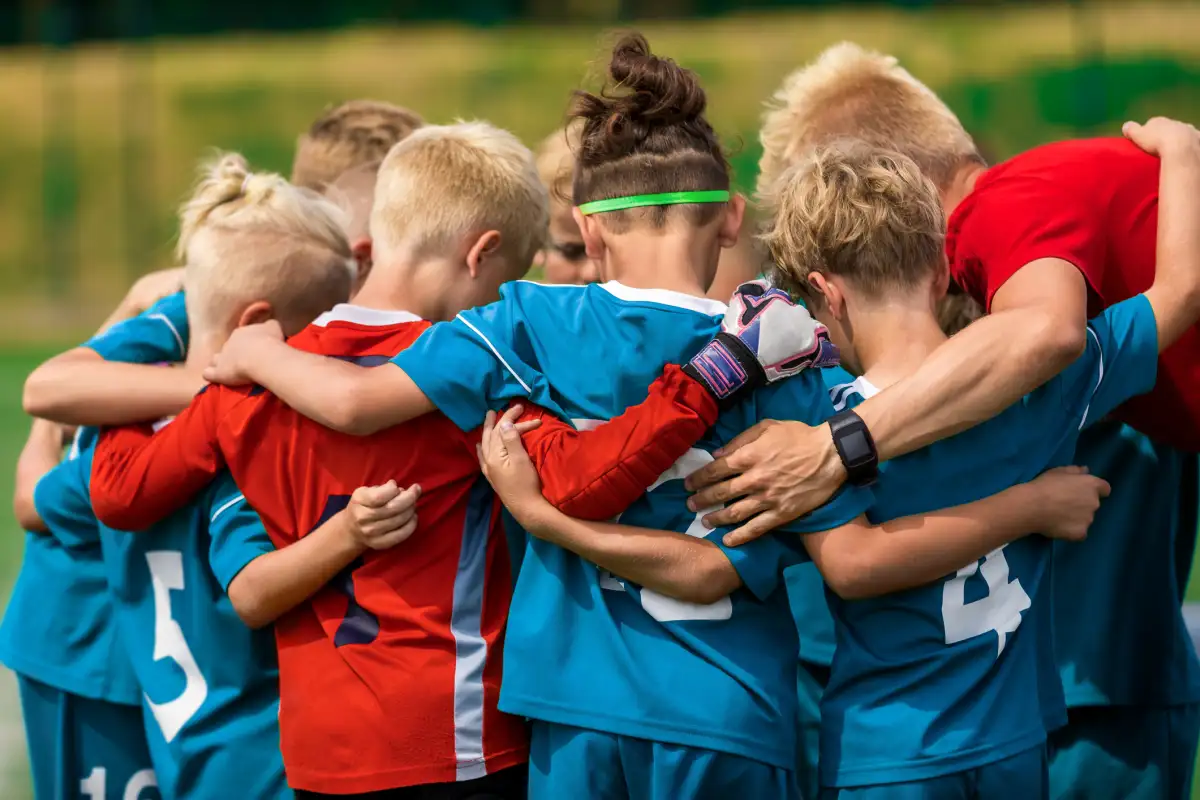
Parents often enroll their children in team sports to encourage physical activity, improve fitness, and provide opportunities for social interaction. While these benefits are certainly valuable, the lessons children learn through sports often extend far beyond the playing field. Team sports create environments where young athletes develop important life skills that can positively influence their education, relationships, and future careers.
From learning responsibility to developing resilience, children gain practical experiences that help shape their character. The challenges and successes they encounter during practices, games, and competitions provide valuable opportunities for personal growth. These experiences teach lessons that remain relevant long after the final whistle blows.
Teamwork Becomes Second Nature
One of the most significant lessons children learn through team sports is how to work effectively with others. Success in most sports depends on cooperation, communication, and a willingness to support teammates. Children quickly discover that individual talent alone is rarely enough to achieve success.
Working toward a shared goal teaches young athletes how their actions affect the entire group. They learn to trust teammates, offer encouragement, and contribute to collective efforts. These experiences help children understand the importance of collaboration, which is a valuable skill in school, the workplace, and personal relationships.
As children grow older, the ability to cooperate with others becomes increasingly important. Sports provide practical opportunities to develop these skills in ways that are both engaging and memorable.
Responsibility and Accountability Develop Early
Team sports require commitment and consistency. Players are expected to attend practices, arrive prepared, follow instructions, and contribute their best effort during games. These expectations help children understand the importance of responsibility from an early age.
When young athletes miss practices or fail to put forth their best effort, they often see firsthand how their actions can affect their teammates. This creates a sense of accountability that encourages personal growth and maturity. Children begin to understand that reliability and commitment are essential qualities in both sports and life.
Learning responsibility through sports can also help children become more organized and disciplined in other areas of their lives. Many parents notice improved time management skills and stronger personal habits as their children become more involved in athletics.
Sports Teach Goal Setting
Successful athletes regularly set goals and work toward achieving them. Whether the objective involves improving a skill, earning more playing time, or helping the team win games, sports encourage children to focus on progress and achievement.
Goal setting teaches children how to break larger objectives into smaller, manageable steps. They learn that improvement requires patience, practice, and consistent effort over time. These lessons help reinforce the value of hard work and perseverance.
Learning how to establish and pursue goals can provide lifelong benefits. Children who develop this skill often approach academic, personal, and professional challenges with greater confidence and determination.
Confidence Grows Through Achievement
Sports allow children to experience accomplishment through dedication and effort. Mastering a new skill, contributing to a team victory, or overcoming a personal challenge can significantly boost self-confidence.
Confidence developed through athletics often extends beyond sports. Children who believe in their abilities are generally more willing to try new activities, participate in discussions, and pursue ambitious goals. Positive sports experiences can help create a strong foundation for future success.
Parents often support these confidence-building opportunities by ensuring children have the appropriate equipment and resources to participate comfortably. For example, having a properly fitted junior size golf bag can help young golfers feel prepared and capable as they develop their skills and enjoy the sport.
Respect for Others Becomes a Core Value
Team sports emphasize respect for coaches, teammates, opponents, officials, and the rules of the game. Children learn that success should be achieved with integrity and that good sportsmanship is an important part of competition.
These lessons help young athletes understand the value of treating others fairly and respectfully, even during challenging situations. Learning to compete honorably while maintaining respect for others contributes to character development and emotional maturity.
Respect is a skill that benefits children throughout their lives. Whether interacting with teachers, friends, colleagues, or community members, individuals who demonstrate respect often build stronger relationships and earn greater trust from others.
Conclusion
Team sports offer far more than opportunities for physical exercise and competition. They provide valuable lessons in teamwork, responsibility, communication, resilience, leadership, and respect. These experiences help children build character while developing skills that will benefit them throughout their lives.
The lessons learned through sports often remain with young athletes long after their playing days have ended. By participating in team activities, children gain practical experiences that prepare them for future success in school, relationships, careers, and personal growth. Sports truly serve as powerful classrooms where some of life’s most important lessons are learned.