Hidden Costs to Expect When Building a House
Building a house is an exciting journey that transforms your vision into reality, but it often comes with unexpected expenses that can seriously throw your budget off track. Most homeowners carefully plan for the big-ticket items like materials and labor, yet countless hidden costs lurk beneath the surface of every construction project. Understanding these potential financial surprises before breaking ground makes all the difference between staying on budget and facing stressful situations mid-construction. These overlooked expenses, everything from permit fees to landscaping requirements, can tack on tens of thousands of dollars to your initial estimates.
Site Preparation and Land Development Costs
Before pouring the first foundation, your building site needs extensive preparation that many homeowners either underestimate or completely miss when budgeting. Land clearing, grading, and excavation typically run anywhere from $5, 000 to $50, 000, depending on what you’re working with terrain-wise. Got trees, rocks, or uneven ground? You’ll need professional equipment and expertise to get things construction-ready. Soil testing is another must-have to determine whether your land can actually support a structure, and if the soil conditions aren’t ideal, remediation work becomes necessary.
Permit Fees and Regulatory Compliance Expenses
Navigating the bureaucratic maze of building permits and regulatory requirements creates a web of fees that accumulate surprisingly fast throughout your project. Building permits themselves typically cost between 1-3% of your total construction costs, but that’s honestly just scratching the surface. You’ll also need separate permits for electrical work, plumbing, HVAC systems, and potentially specialty features like pools or outdoor kitchens. Environmental impact assessments, architectural review board submissions, and homeowners’ association approvals can tack on several thousand dollars before you even break ground.
Design Changes and Upgrades During Construction
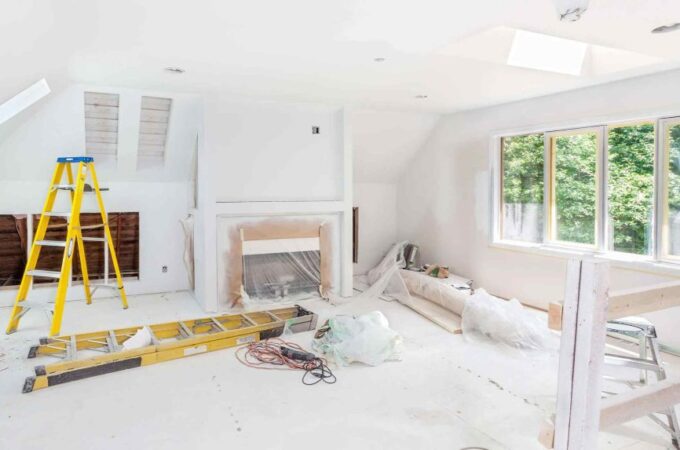
Even the most carefully planned projects encounter design modifications and upgrade opportunities once construction gets rolling. Change orders, which document alterations to original building plans, typically bump up project costs by 10-15% on average. What might seem like a simple adjustment, such as relocating a window or adding an electrical outlet, can trigger a domino effect affecting framing, electrical work, drywall, and exterior finishing. Upgrading fixtures, finishes, or materials beyond your original specifications represents another common cost escalation that catches homeowners by surprise. There’s something about viewing actual samples in person that makes those premium countertops, flooring, or lighting fixtures irresistible, often blowing past budget allocations made during the planning phase. Structural issues discovered during construction, like unexpected rock formations or poor soil conditions, may require engineering solutions nobody anticipated in initial estimates. When navigating these complexities, professionals working with custom home builders in Indianapolis can help anticipate potential cost variations and establish realistic contingency funds. Smart builders set aside at least 10-15% of total construction costs specifically for these inevitable changes and surprises. This cushion provides peace of mind and flexibility when those “while we’re at it” moments arise during construction.
Temporary Living and Storage Expenses
The financial impact of building a house extends well beyond construction materials and labor to include the often, forgotten costs of where you’ll live during the process. Building on vacant land while still living in your current home means potentially maintaining mortgage or rent payments for longer than you originally planned. Construction delays happen, weather, material shortages, contractor scheduling, and these setbacks can extend your temporary housing needs by several months, significantly impacting your budget. Moving expenses multiply when you realize you’re relocating twice: once from your current home to temporary housing, then again into your newly constructed home.
Landscaping and Exterior Finishing Requirements
Once your house structure stands complete, the surrounding property requires substantial investment to transform from raw construction site into a finished residential property. Basic landscaping, including grading, topsoil, seeding or sodding, and fundamental plantings, typically costs between $5, 000 and $15, 000 for an average residential lot. Driveways and walkways represent another major expense, with material choices ranging from budget-friendly gravel to premium pavers or stamped concrete dramatically affecting final costs. Many municipalities and homeowners associations impose minimum landscaping requirements that might include specific plantings, irrigation systems, or exterior lighting features, adding thousands to your final bill.
Insurance, Warranty, and Post-Construction Costs
Your financial obligations don’t end at the completion date; several insurance and warranty considerations continue impacting your overall investment. Builder’s risk insurance protects your construction project from damage due to weather, theft, or vandalism, typically costing 1-4% of total construction costs. Once construction wraps up, you’ll need homeowner’s insurance immediately, which often runs higher for newly constructed homes due to replacement cost considerations. Many lenders require extended builder warranties or third-party warranty programs guaranteeing workmanship and materials for specified periods, adding 1-3% to construction costs.
Conclusion
Building a house involves far more financial considerations than just the obvious construction costs, with hidden expenses popping up at every stage of the process. From initial site preparation and permit fees through final landscaping and post-construction adjustments, these overlooked costs can add 20-40% to your base construction budget. Successful homebuilders approach their projects with comprehensive budgets that include substantial contingency funds to address inevitable surprises and changes. By anticipating these hidden costs and planning accordingly, you’ll navigate the construction process with greater confidence and financial stability.

Hi, I’m Mathilde Lacombe — a lifestyle and beauty blogger based in New York City. I have been writing about beauty, skincare, fashion, health, and women’s everyday life for nearly eight years. I hold a Master’s degree in Arts & Humanities from Pace University, New York, which shaped the way I research, analyse, and write about every topic I cover here.
I started this blog because I wanted a space for honest, well-researched content, not recycled advice or paid promotions dressed up as genuine recommendations. Everything I publish starts with research and ends with a real opinion.
When I am not writing, you will find me exploring New York City, obsessing over skincare ingredients, or spending time with my pets. This blog is my creative home and I am glad you found it.