
Essential Home Renovation Safety Tips Every Homeowner Should Know Before Starting a Project
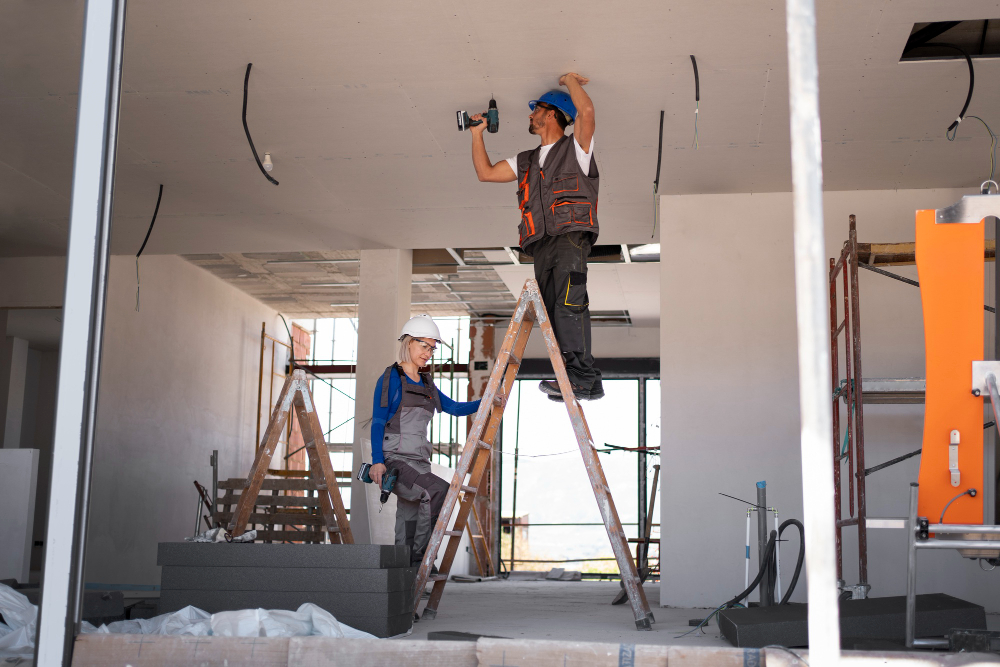
Renovating your home is a fun way to make it more comfortable for your family, restore areas that have been damaged, and improve the quality of your living area. However, make sure you are aware of the potential safety risks before starting any activity. Whether you’re upgrading an older property, repairing your roof, or remodeling your kitchen, knowing important home renovation safety tips will help you prevent needless problems.
Inspect Your Home Before Starting Any Renovation
Before beginning renovation work, take time to understand the actual condition of your property. What appears to be a minor repair could involve damaged electrical wiring, weakened structural supports, leaking pipes, or hazardous materials that require professional attention.
This is particularly important for older properties, where outdated construction materials and installations may present hidden safety risks. A proper inspection helps you understand what needs attention before renovation work begins.
Be Careful of Asbestos in Older Building Materials
Asbestos is one element you should be especially cautious about when remodeling an older structure if it was constructed several decades ago. It was widely utilized in building due to its strength, heat resistance, and insulating characteristics. Unfortunately, disturbing asbestos-containing materials can release small fibers into the air, which people may inadvertently breathe.
Never assume a material is asbestos-free because it looks harmless. If you suspect its presence, avoid drilling, sanding, cutting, or removing it yourself. Contact qualified asbestos professionals for assessment and appropriate handling.
Wear Appropriate Protective Equipment
Even simple renovation projects can expose homeowners to dust, sharp objects, chemicals, and flying debris. Wearing suitable protective equipment helps reduce the possibility of injuries and unnecessary exposure.
Before starting work, prepare the necessary safety items for the specific tasks, such as safety goggles, protective gloves, respiratory protection, and safety footwear. Remember that ordinary face coverings cannot replace appropriate respiratory protection when dealing with hazardous substances such as asbestos.
Hire Qualified Professionals for Dangerous Tasks
Although handling certain home improvements yourself can save money, some renovation activities require professional training, experience, and specialized equipment. Electrical installations, structural alterations, roof repairs, and hazardous material removal should not be approached casually.
Before hiring contractors, check their qualifications, experience, insurance coverage, and safety procedures. Ask how they intend to control dust, protect surrounding rooms, and dispose of potentially dangerous materials.
Knowing the relevant legal options may become crucial if someone was exposed to asbestos during previous renovation work and then contracts an asbestos-related sickness. A mesothelioma lawsuit may offer a way to obtain compensation, depending on the situation and relevant regulations. This is why it is particularly important to handle renovation materials responsibly and with appropriate documentation.
Keep Children and Pets Away From Work Areas
Renovation sites can become dangerous for children and pets because of exposed nails, sharp tools, electrical equipment, chemicals, and construction dust. Even when adults are supervising, unexpected accidents can happen.
Consider creating a separate living arrangement during major renovations, especially when contractors are demolishing walls or removing flooring. These simple precautions make the renovation process safer for everyone.
Maintain Proper Ventilation and Electrical Safety
Paints, adhesives, and cleaning products can release fumes that affect indoor air quality. Where appropriate, open windows and doors or use suitable ventilation equipment to reduce their accumulation. However, ventilation alone cannot make asbestos disturbance safe, so suspected asbestos materials must be handled by qualified professionals.
Electrical safety also deserves attention, particularly when working around exposed wiring, power tools, and moisture. Switch off the appropriate power supply before permitted electrical work, avoid overloaded extension cords, and never handle electrical equipment with wet hands.
If you discover damaged wiring or water near electrical installations, stop working and contact a qualified electrician.
Set a Realistic Budget and Renovation Schedule
Financial planning is not just about making sure you can afford new materials and labour; it also helps you avoid rushing important safety procedures because of limited resources or tight deadlines.
Before beginning work, prepare a budget that accounts for inspections, professional services, protective equipment, quality materials, and unexpected repairs. Older properties may require additional attention when contractors discover problems that were not visible during the initial inspection.
It is equally important to create a realistic schedule that gives workers enough time to complete each stage properly. Rushing demolition, electrical installations, or structural repairs can encourage shortcuts that compromise the safety of your household.
Obtain Necessary Permits Before Major Renovations
Some renovation projects involve more than changing the appearance of a property. Activities such as removing structural walls, extending rooms, changing roofing systems, or modifying electrical and plumbing installations may require approval from relevant local authorities.
Before starting major work, find out which building regulations and permits apply to your project. Working without the necessary approvals can lead to penalties, delays, additional expenses, or problems when selling the property.
You should also ensure that contractors understand the applicable safety requirements and follow approved building plans. Proper documentation helps establish accountability and makes it easier to address problems if the work does not meet the required standards.
Dispose of Renovation Waste Safely
Once renovation work is complete, leftover construction materials, sharp objects, chemical containers, and hazardous waste can continue creating problems even after contractors have finished.
Separate ordinary construction waste from potentially hazardous materials, and follow local disposal requirements. Never place suspected asbestos waste in ordinary household rubbish or attempt to remove it without professional guidance.
Before allowing your family to use renovated rooms, ensure that debris has been removed and any necessary professional cleaning or safety clearance has been completed. A properly finished renovation should leave your home not only attractive but also safe and comfortable.
Prepare for Unexpected Emergencies
Even when every precaution is taken, accidents can still happen during renovation work. Having a basic emergency plan helps everyone understand what to do if anything goes wrong. Keep a properly stocked first-aid kit somewhere accessible, make sure everyone knows the emergency contact numbers, and identify the safest exit routes from the property. Contractors should also understand the emergency procedures before beginning work.
If you accidentally disturb suspected asbestos-containing materials, stop the activity immediately, keep people away from the affected area, and seek advice from qualified asbestos professionals. Avoid sweeping or vacuuming the dust because these actions may spread fibres into the surrounding environment.
Endnote
A well-executed home renovation should increase your family’s comfort without endangering anyone’s health or safety. Taking the time to assess your property, identify potentially dangerous materials, and hiring qualified workers can make a big impact during the process.