Ways to Help Your Body Recover as an Athlete
Athletic performance isn’t just about pushing yourself harder during training sessions, it’s equally about how effectively you recover afterward. Whether you’re competing at a professional level or simply passionate about staying fit, smart recovery strategies are what prevent injuries, reduce fatigue, and help you actually see results from all that hard work. Here’s something many athletes learn the hard way: you can’t just keep pushing without giving your body time to adapt and rebuild. The real magic happens during those rest periods between workouts, when your body repairs muscle tissue and builds back stronger. That’s why understanding recovery isn’t just helpful, it’s absolutely essential for anyone serious about improving their performance.
Prioritize Quality Sleep and Rest Periods
Sleep might be the most underrated performance enhancer out there. Sure, everyone knows they should get enough sleep, but how many athletes actually prioritize it? During those deep sleep cycles, your body releases growth hormone that’s crucial for repairing damaged muscle tissue and rebuilding stronger. Most athletes need somewhere between seven and nine hours per night, though if you’re training particularly hard, you might need even more. Creating a consistent sleep schedule does wonders for regulating your body’s internal clock, which improves both how well you sleep and how energized you feel during the day.
Implement Strategic Nutrition and Hydration
Your body simply can’t rebuild itself without proper fuel and adequate hydration, it’s that straightforward. The window right after your workout is particularly important, when consuming a mix of protein and carbohydrates within 30 to 60 minutes helps maximize muscle repair and replenish your energy stores. Think of protein as the building blocks for muscle repair, while carbohydrates restore the fuel tanks that power your next session. Throughout the rest of your day, focus on whole foods packed with vitamins, minerals, and antioxidants that help your body fight off the inflammation that comes with hard training.
Incorporate Active Recovery and Mobility Work
Here’s a recovery secret that surprises many athletes: sometimes the best recovery isn’t complete rest. Active recovery, think light activities like walking, easy swimming, or gentle cycling, actually speeds up healing by increasing blood flow to your muscles without creating additional stress. This helps flush out metabolic waste while delivering the nutrients your muscles need to repair themselves. Mobility work, including dynamic stretching and foam rolling, keeps your joints moving freely and addresses the muscle tightness that builds up from doing the same movements repeatedly.
Utilize Therapeutic Recovery Techniques
Professional recovery methods can give your body’s natural healing processes a significant boost and deserve a place in any serious athlete’s routine. Contrast therapy, alternating between cold and hot temperatures, stimulates blood flow and eases muscle soreness by making your blood vessels contract and expand. Ice baths or cold plunges have solid research backing their ability to reduce inflammation and muscle soreness, especially after particularly intense or eccentric workouts. Compression garments can improve circulation and potentially reduce swelling when you wear them during or after exercise. Manual therapy from qualified professionals addresses specific areas of tension, improves tissue quality, and can spot potential problems before they turn into actual injuries. When you’re coming off intense training blocks, working with specialists who understand the demands of athletic performance becomes incredibly valuable. Athletes dealing with deep tissue issues and wanting to maintain peak muscle function often work with a reputable massage therapist in NYC, or their area, who specialize in sports-specific treatments that target exactly what athletes need. Technology-based options like percussion massage guns also provide convenient ways to work on muscle tightness at home between professional appointments.
Manage Stress and Mental Recovery
Physical recovery tells only half the story, your mental and emotional state matters just as much for maintaining long-term athletic performance. Chronic stress keeps cortisol levels elevated, which interferes with muscle recovery, weakens your immune system, and disrupts your sleep patterns. Bringing stress management techniques into your routine, things like meditation, breathing exercises, or mindfulness practices, can lower cortisol and activate your body’s rest-and-recovery systems. Taking genuine rest days from structured training gives both your body and mind the chance to fully recharge, helping you avoid the mental burnout that often shows up alongside physical overtraining.
Conclusion
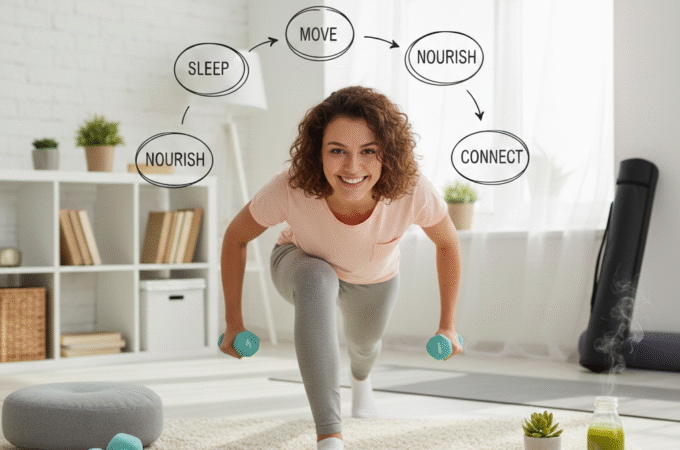
Effective recovery really comes down to taking a well-rounded approach that addresses sleep, nutrition, active recovery, professional treatments, and mental wellbeing. When you consistently apply these proven recovery strategies, you’re enhancing your body’s natural ability to heal, lowering your risk of getting injured, and unlocking your full athletic potential. Remember that prioritizing recovery doesn’t make you weak, it’s actually what separates smart, sustainable athletes from those who eventually burn out. Tailor these recovery methods to fit your specific needs, training volume, and competition schedule, and you’ll find yourself performing at your absolute best when it counts most.

I’m Mathilde Lacombe, a French entrepreneur, beauty industry influencer, and founder of AIME. As a businesswoman and mom of three, I’ve built my career at the intersection of beauty, wellness, and entrepreneurship. Through my journey, I’ve learned how self-care, confidence, and mindful living play a vital role in both personal and professional success.
On this blog, I share insights from the world of beauty, wellness rituals I truly believe in, and honest lessons from building and growing a brand. From entrepreneurship to everyday inspiration, this space reflects everything I love and live by designed to empower women to feel their best, inside and out.