Top Mistakes to Avoid When Planning a Large Event
Large events require detailed preparation, clear communication, and strong organization. Even experienced planners know that bigger events come with more variables, more people, and more pressure. Avoiding common mistakes can make a significant difference in how smoothly the event runs. By understanding the challenges involved, planners can approach large events with confidence and create experiences that feel seamless and well executed.
Failing to Define the Event’s Purpose Early
Before any planning begins, the purpose of the event must be clear. When the purpose is vague, every decision becomes more difficult. Venue selection, vendor choice, layout design, and scheduling all depend on understanding the event’s goals. The theme, tone, and overall atmosphere emerge naturally when there is clarity from the start. Without a defined purpose, planners may find themselves making changes repeatedly or struggling to create a cohesive guest experience. A clear purpose serves as the foundational guide for every decision that follows.
Underestimating the Scope of Planning
Large events require more time and resources than many people realize. Underestimating the workload can lead to rushed decisions, oversights, and stress. Successful planners create generous timelines that allow space for vendor booking, design development, and logistical coordination. Securing the venue, confirming entertainment, organizing catering, and arranging transportation all take time. Large events also tend to involve more detailed schedules and complex layouts. Anticipating these needs early allows planners to move forward with focus and efficiency, ensuring that no important steps are overlooked.
Not Utilizing Visual and Professional References
One of the strongest tools for large event planning is visual reference. Many planners rely on an event production portfolio to evaluate whether a vendor or production team can handle the scale and style of the event. A portfolio provides insight into technical skills, creative approach, and the level of detail a team brings to their work. Without reviewing samples, planners risk hiring vendors who cannot meet the demands of a large event. Visual references also help set clear expectations, reduce misunderstandings, and ensure that the final execution aligns with the event’s vision.
Choosing a Venue Without Considering Logistics
A venue may look perfect visually, but if it does not support the logistical needs of a large event, it can become a major obstacle. Parking, accessibility, load in areas, power supply, acoustics, restrooms, and lighting all influence the guest experience. Overlooking these essentials can create bottlenecks and unexpected challenges. For large events, it is important to walk through the venue multiple times and evaluate how guests will enter, move around, and exit. Understanding the venue’s strengths and limitations early prevents unnecessary stress on the day of the event.
Overlooking Technical and Audio Visual Needs
Sound, lighting, and stage design all play important roles in large events. Poor audio can disrupt presentations, while insufficient lighting can affect ambiance or visibility. Planners must coordinate closely with audio visual teams to ensure that equipment meets the event’s needs. This includes microphones, speakers, screens, projectors, lighting rigs, and backup solutions. Larger events often require rehearsals, technical checks, and adjustments to ensure a clear and polished experience. Skipping these steps can lead to disruptions that impact the quality of the event and the satisfaction of the guests.
Poor Budget Distribution and Lack of Tracking
Budgeting for a large event requires attention to detail and consistent monitoring. Overspending in one category can create shortages in another, which may impact essential elements such as catering, decor, or staffing. Successful planners track expenses regularly, adjusting as needed to ensure funds remain allocated appropriately. They also build in a buffer for unexpected costs that may arise during setup or execution. Without careful budgeting, even well planned events can experience financial stress that affects overall quality.
Inefficient Communication Among Team Members
Large events often involve many people including planners, vendors, staff, sponsors, and volunteers. When communication is unclear or inconsistent, tasks may be duplicated or forgotten, and important details can slip through the cracks. Establishing a central communication system helps keep everyone informed and aligned. Regular check ins and clear documentation prevent confusion and promote teamwork. Strong communication reduces stress and ensures that every team member understands their responsibilities and timeline.
Not Managing Guest Flow and Experience
Crowd management is a critical aspect of large event planning. Poorly organized entry points, unclear signage, and confusing layouts can frustrate guests. Large events require thoughtful design to guide attendees smoothly from one area to another. Whether moving from registration to seating or from presentations to dining areas, guests should feel supported by the environment. Anticipating where bottlenecks may occur helps planners adjust layouts to ensure a positive and comfortable experience for everyone.
Neglecting Day Of Coordination
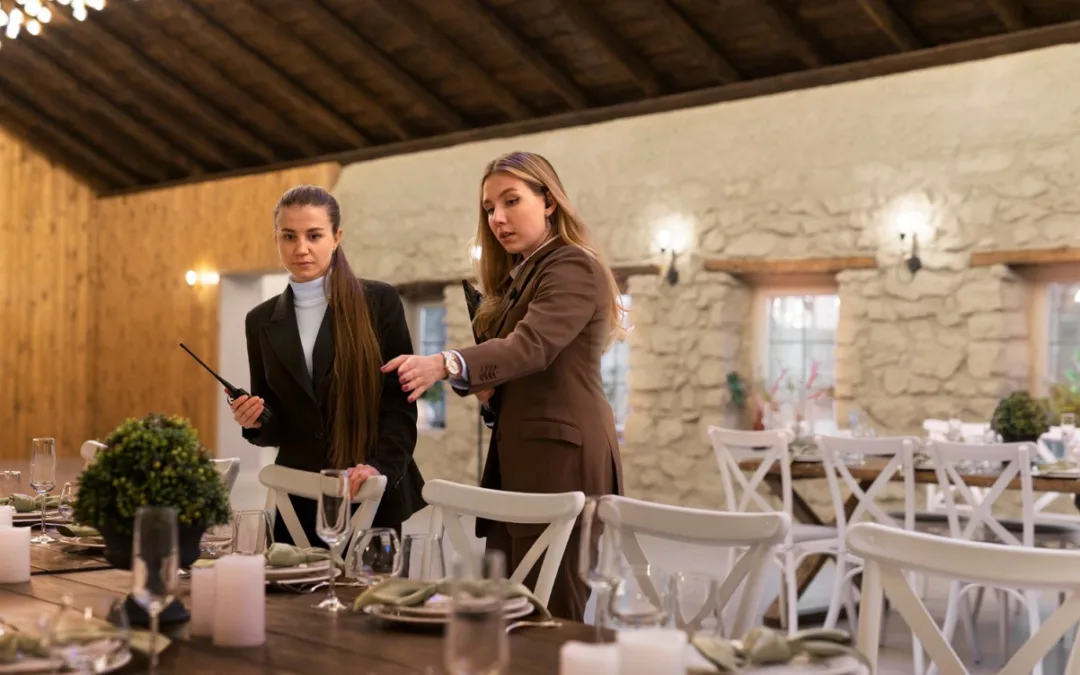
Even the most carefully planned event needs strong day of coordination. Planners often assume that if everything is organized in advance, the event will run itself. However, large events come with unexpected challenges that require attention in real time. Coordinators must manage vendor arrivals, oversee setup, troubleshoot technical issues, and adjust schedules as needed. Without day of oversight, small issues can escalate quickly. A dedicated coordination team ensures that the event flows smoothly from start to finish.
Forgetting Post Event Evaluation
Once the event concludes, it can be tempting to move on quickly. However, post event evaluation provides valuable insight. Reviewing what went well and identifying areas for improvement strengthens future planning efforts. Feedback from guests, team members, and vendors helps refine processes and enhances the quality of upcoming events. Skipping this step means missing an opportunity for growth and development in event planning skills.
Conclusion
Planning a large event involves careful attention, strong communication, and strategic decision making. By understanding common mistakes and taking steps to avoid them, planners can create events that feel seamless, organized, and enjoyable for everyone involved. With thoughtful preparation, the right support, and a clear vision, even the largest events can run smoothly and leave a lasting positive impression.

I’m Mathilde Lacombe, a French entrepreneur, beauty industry influencer, and founder of AIME. As a businesswoman and mom of three, I’ve built my career at the intersection of beauty, wellness, and entrepreneurship. Through my journey, I’ve learned how self-care, confidence, and mindful living play a vital role in both personal and professional success.
On this blog, I share insights from the world of beauty, wellness rituals I truly believe in, and honest lessons from building and growing a brand. From entrepreneurship to everyday inspiration, this space reflects everything I love and live by designed to empower women to feel their best, inside and out.