Practical Ways Communities Can Prepare for the Unexpected
Modern communities face a wide variety of uncertainties, from severe weather and infrastructure disruptions to sudden public health concerns and social challenges. While it is impossible to predict every event, practical preparation can significantly reduce disruption and help people feel more confident in times of uncertainty. By working together and planning ahead, communities can build resilience that benefits everyone.
Recognizing Potential Risks
The first step toward preparedness is understanding what types of unexpected situations may arise locally. Each community has unique risks shaped by geography, population size, and available resources. For example, coastal towns may prepare for storms or flooding, while urban areas might focus on transport interruptions or large-scale service outages.
Holding local discussions or workshops can help residents identify these risks and prioritize solutions. This collaborative approach ensures that preparation reflects real needs rather than assumptions. It also encourages people to think practically about what actions they can take at an individual and neighborhood level.
Strengthening Communication Systems
Clear and reliable communication is essential during any unexpected event. Communities that invest in strong communication networks are better able to coordinate responses and support one another. This might involve creating neighborhood messaging groups, establishing local information hubs, or developing plans for sharing updates during power or internet disruptions.
Communication is not only about technology. Building trust and maintaining open relationships among residents makes it easier for important messages to spread quickly. When people feel connected, they are more likely to look out for one another and respond calmly in difficult situations.
Supporting Volunteer Initiatives
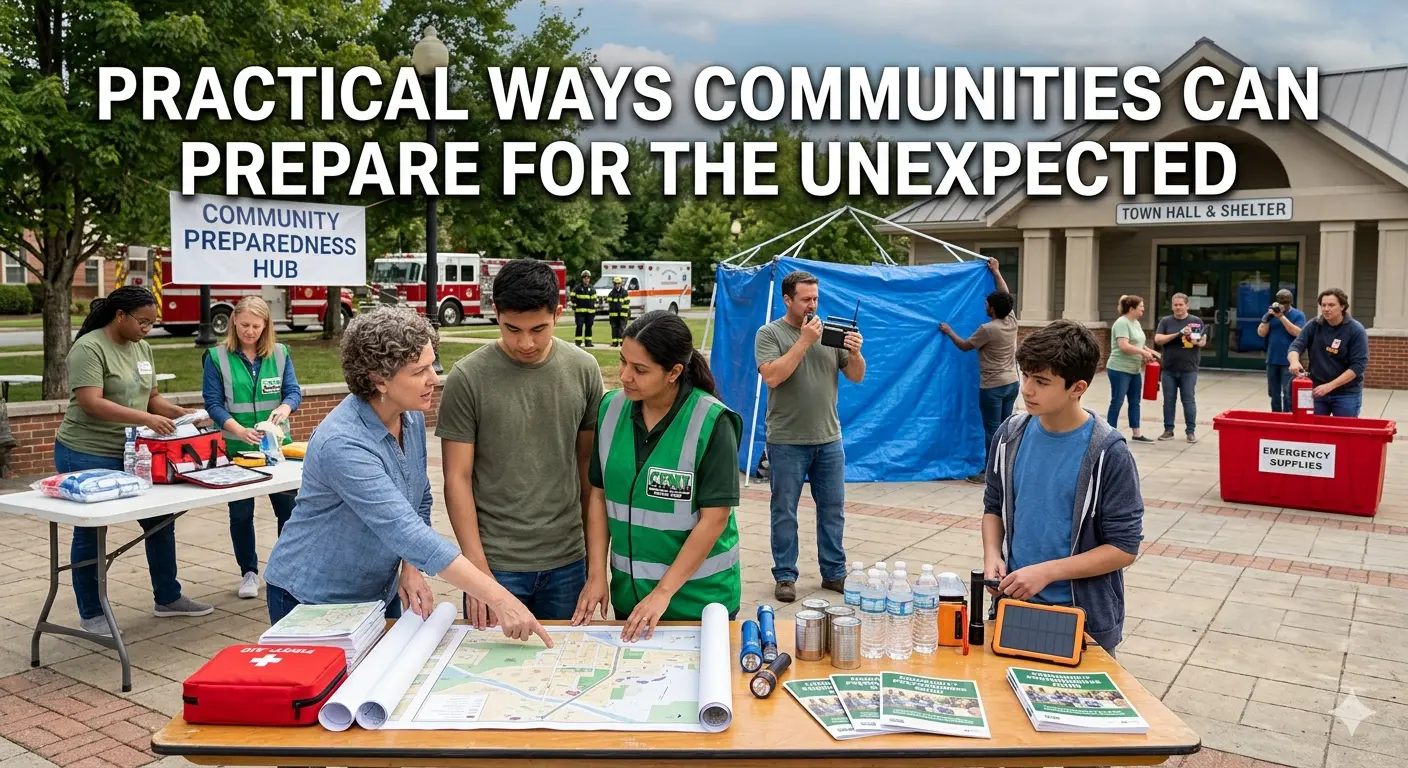
Volunteers play a vital role in helping communities prepare and respond effectively. Organizing training sessions in areas such as first aid, basic emergency response, and crisis communication can equip residents with practical skills. These initiatives also strengthen community bonds by giving individuals a sense of purpose and shared responsibility.
Local volunteer groups can coordinate efforts such as checking on vulnerable neighbors, assisting with evacuation procedures, or distributing essential supplies. Partnering with experienced humanitarian organizations like the Red Cross can further enhance these initiatives by providing guidance, educational resources, and structured training opportunities.
Developing Clear Emergency Plans
Simple and well-communicated emergency plans can make a significant difference when unexpected situations arise. Communities may benefit from identifying safe meeting points, mapping evacuation routes, and assigning roles to local leaders or volunteers. These steps help reduce confusion and allow residents to act quickly when time is critical.
Planning also involves encouraging households to consider their own preparedness. Families might discuss how they will stay in contact during disruptions, what supplies they should keep on hand, and how they can support others nearby. When individuals take responsibility for their own readiness, the entire community becomes more resilient.
Encouraging Everyday Preparedness Habits
Preparedness should be viewed as an ongoing process rather than a one-time effort. Small daily habits can contribute significantly to long-term readiness. Maintaining emergency kits, staying informed about local developments, and participating in community events all help build awareness and confidence.
Communities can also promote preparedness through education and outreach. Schools, local organizations, and neighborhood groups can play a role in teaching practical safety skills and encouraging proactive thinking. These initiatives help normalize preparation as a positive and empowering activity.
Building a Culture of Resilience
Ultimately, preparing for the unexpected is about more than emergency plans or supplies. It involves creating a culture in which cooperation, empathy, and shared responsibility are valued. Communities that invest in strong relationships and open communication are better positioned to handle challenges together.
By recognizing risks, strengthening communication, supporting volunteers, and encouraging everyday preparedness, communities can face uncertainty with greater confidence. Practical preparation not only reduces the impact of unexpected events but also strengthens social connections and promotes long-term wellbeing for everyone involved.

I’m Mathilde Lacombe, a French entrepreneur, beauty industry influencer, and founder of AIME. As a businesswoman and mom of three, I’ve built my career at the intersection of beauty, wellness, and entrepreneurship. Through my journey, I’ve learned how self-care, confidence, and mindful living play a vital role in both personal and professional success.
On this blog, I share insights from the world of beauty, wellness rituals I truly believe in, and honest lessons from building and growing a brand. From entrepreneurship to everyday inspiration, this space reflects everything I love and live by designed to empower women to feel their best, inside and out.