Making Room for New Toys Without Creating Clutter
As families grow and children’s interests evolve, the number of toys in the home can accumulate quickly. While new toys bring excitement, they can also overwhelm a space if older items are not managed effectively. Creating room for new additions does not have to be stressful or time‑consuming. With thoughtful strategies, families can maintain an organized environment while still enjoying the fun that new toys bring.
Understanding the Cycle of Toy Accumulation
Toys tend to build up naturally over time. Birthdays, holidays, rewards, and spontaneous purchases all contribute to growing collections. Many parents keep toys because they hold sentimental value or because they believe their children may return to them later. Although this is understandable, it often leads to clutter that limits play and makes organization difficult. Understanding this cycle helps families take a more intentional approach to managing the toys that come into the home.
Creating a Simple System for Evaluating Toys
One effective way to stay organized is to create a straightforward method for evaluating which toys should stay and which can move on. Parents can start by observing which items their children engage with most. Toys that sit untouched for months are likely no longer useful. Families can schedule regular decluttering sessions, perhaps every few months, to assess the collection. This proactive approach prevents accumulation from becoming overwhelming.
A helpful tip is to involve children in the process when appropriate. Older children often enjoy choosing which toys to keep and which to let go of, giving them a sense of responsibility and ownership. These conversations can gently introduce concepts of sharing, gratitude, and mindful consumption.
Rotating Toys to Reduce Overcrowding
Toy rotation is a powerful strategy for controlling clutter while still keeping playtime exciting. By storing a portion of toys and bringing them out later, families create a sense of novelty without needing to buy new items constantly. Toy rotation also makes it easier to identify which toys still hold interest and which no longer fit the child’s development. As children grow, parents can adjust the rotation groups to better reflect current abilities and preferences.
Making Thoughtful Decisions When New Toys Arrive
When a new toy enters the home, it often helps to remove something of similar size or purpose. This “one‑in, one‑out” method keeps overall volume consistent and ensures the play space stays manageable. Parents may review stored toys first to see which items can be transitioned out. This approach helps maintain balance while still allowing children to enjoy something new.
Families can also set limits on the number of toys allowed in a particular area. Once the limit is reached, something must go before anything else is added. These boundaries help keep play spaces neat while teaching children valuable organizational habits.
Identifying Toys Ready for a New Home
Some toys naturally lose their appeal over time. Children outgrow them, interests shift, or pieces go missing. When toys stop serving their purpose, it may be time to move them along. Parents often wonder where can I sell transformers toys, especially when dealing with brands that hold value among collectors and enthusiasts. Recognizing that some toys may have resale potential makes letting go easier and can even provide funds for future purchases.
Other toys may be better suited for donation. Local charities, shelters, preschools, and community groups often welcome gently used items. Passing toys along ensures they receive a second life with children who will appreciate them. This not only reduces clutter but fosters a spirit of generosity within the family.
Using Storage Wisely to Contain What Remains
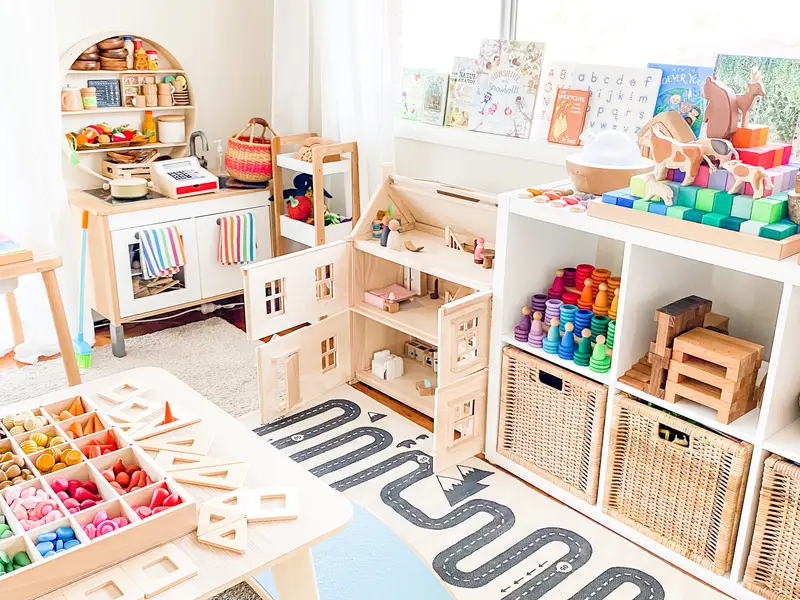
After sorting and removing unwanted items, families can focus on storing what stays. Effective organization doesn’t require expensive systems. Simple shelves, clear bins, and labeled containers can transform a cluttered room into a functional space. Categorizing toys by type helps children find what they want quickly and encourages them to return items to their proper place.
Vertical storage is particularly helpful in smaller homes. Wall shelves, over‑the‑door organizers, and stackable bins maximize space while keeping the area tidy. The goal is to create a system that supports easy cleanup and keeps play areas inviting and accessible.
Teaching Kids to Care for Their Belongings
Maintaining a clutter‑free space is easier when children are encouraged to participate. Creating small routines, such as cleaning up before bedtime or choosing a few toys to put away before moving to another activity, helps instill consistent habits. When children understand the importance of caring for their belongings, they become more mindful about what they use and keep.
Creating Space Without Sacrificing Joy
Making room for new toys should never feel like a burden. With a clear plan and a thoughtful approach, families can create space without taking away from the joy that toys bring. A clutter‑free environment promotes better play, reduces stress, and makes everyday life more manageable. The goal is not to limit fun but to curate a collection that truly supports creativity and happiness.
Conclusion
Creating room for new toys becomes much simpler with intentional strategies that keep clutter under control. By evaluating what is truly used, rotating toys, setting limits, and deciding which items can be sold or donated, families maintain a tidy and enjoyable play environment. These thoughtful practices ensure that every new toy feels like a welcome addition rather than another item competing for space. With a balanced approach, families can enjoy ongoing excitement without the stress of disorganized surroundings.

I’m Mathilde Lacombe, a French entrepreneur, beauty industry influencer, and founder of AIME. As a businesswoman and mom of three, I’ve built my career at the intersection of beauty, wellness, and entrepreneurship. Through my journey, I’ve learned how self-care, confidence, and mindful living play a vital role in both personal and professional success.
On this blog, I share insights from the world of beauty, wellness rituals I truly believe in, and honest lessons from building and growing a brand. From entrepreneurship to everyday inspiration, this space reflects everything I love and live by designed to empower women to feel their best, inside and out.