How To Best Prepare Your Teenager for Driving
Teaching your teenager to drive isn’t something you want to leave until the last minute. Starting early, well before they’re legally eligible for their license, gives them time to absorb the complexities of road safety, traffic laws, and what it really means to be a responsible driver. Think of it as building a foundation that’ll support their entire driving career. Studies back this up consistently: teens who get thorough preparation before taking the wheel are significantly less likely to end up in accidents during those critical first years. Rather than treating it as a box to check off, approaching driver preparation as a gradual learning journey helps your teen develop not just the technical skills, but also the mature mindset that’ll keep them safe. Sure, it takes time and patience, but creating confident, responsible drivers who truly understand the weight of operating a vehicle? That’s worth every minute.
Enrolling in Quality Driver Education Programs
While you might feel confident teaching your teen the basics, formal driver education brings something different to the table. Professional instructors have the expertise, patience, and current knowledge of traffic laws that most parents simply can’t match. These programs don’t just throw your teen behind the wheel; they combine classroom learning about traffic laws and defensive strategies with actual behind-the-wheel practice in controlled settings. Here’s a bonus: many states recognize approved courses with perks like reduced insurance premiums or shortened learner’s permit periods. When you’re shopping around for programs, don’t just pick the first one you find. Look for certified instructors, check those reviews, and make sure the curriculum emphasizes both technical ability and smart decision-making. Need flexibility that works with your family’s schedule while still meeting state requirements? An Ohio drivers ed online course delivers comprehensive instruction that balances convenience with rigorous standards. What makes formal education so valuable is the structure, teens get consistent, accurate information and build their skills step by step, which creates genuine confidence rather than just surface-level familiarity.
Practicing Supervised Driving Hours Consistently
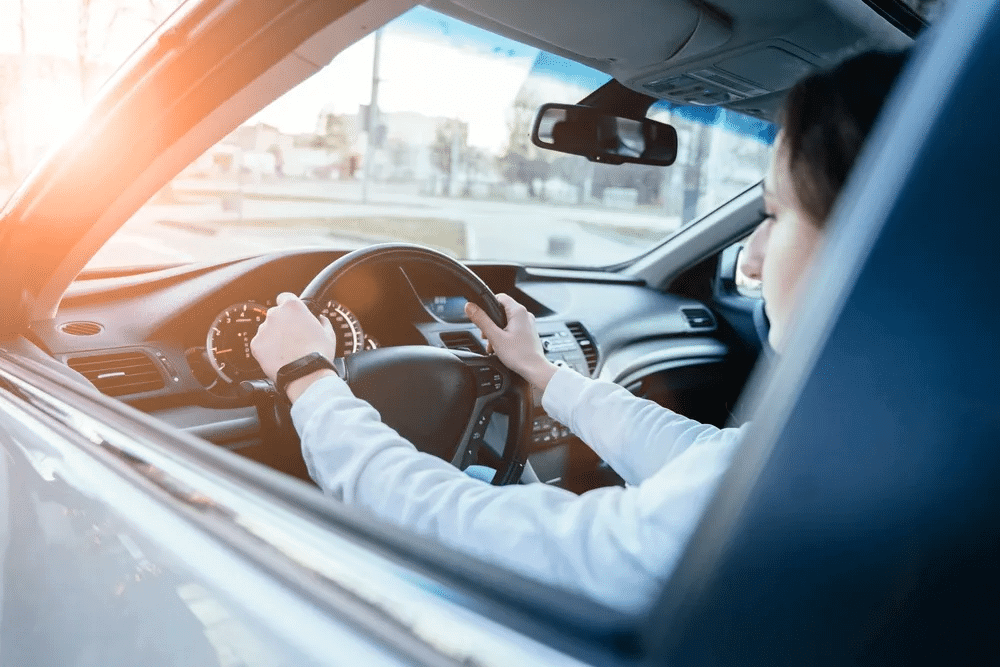
There’s simply no substitute for actual time behind the wheel when you’re preparing your teenager for solo driving. Most states mandate a minimum number of supervised hours before licensing, but here’s the thing, treat those as starting points, not finish lines. During your practice sessions together, you’ll want to gradually introduce more complex situations. Start with those quiet neighborhood streets, then work up to busier roads, highways, and eventually challenging weather conditions. Consistency matters more than you might think, several shorter sessions each week work better than occasional marathon drives. These hours give you a chance to demonstrate good driving habits, offer constructive feedback, and talk through decision-making as situations unfold. Create a practice plan that systematically covers everything: parking, lane changes, merging, navigating intersections, emergency maneuvers. You’ll ensure nothing gets overlooked. Beyond skill, building, these supervised hours provide invaluable time to really assess whether your teen’s ready for independence while catching any concerning habits before they become permanent fixtures.
Teaching Defensive Driving and Risk Awareness
Operating a vehicle goes way beyond knowing which pedal does what. Your teenager needs to learn how to anticipate hazards and make quick decisions that prioritize safety every single time. Defensive driving means constantly scanning what’s happening around you, keeping safe distances from other vehicles, and always having a backup plan if someone does something unexpected. Teach your teen to assume other drivers might mess up, it sounds cynical, but it’s realistic.
Establishing Clear Rules and Consequences
Setting explicit expectations creates structure that helps teenage drivers develop good habits while understanding that driving comes with serious responsibilities. Before handing over those keys, establish clear rules about passengers, nighttime driving, cell phone use, seatbelts, and what happens when rules get broken. Consider graduated privileges, where your teen earns more freedom by consistently demonstrating responsible behavior. This approach maintains necessary restrictions during the highest, risk period while providing motivation.
Conclusion
Getting your teenager ready to drive requires patience, comprehensive education, plenty of supervised practice, and crystal-clear expectations. When parents invest the time to teach defensive driving principles, establish firm rules, and provide consistent guidance, they’re creating a foundation for safe, responsible habits that’ll last far beyond those early driving years. The effort you put in now directly translates to reduced accident risk and helps your teenager develop the judgment needed for handling such a serious responsibility. By treating driver preparation as an ongoing educational process rather than a milestone to rush through, you’re ensuring your teen enters independent driving with the skills, knowledge, and attitude necessary for staying safe out there. That’s not just good parenting, it’s potentially life, saving.

Hi, I’m Mathilde Lacombe — a lifestyle and beauty blogger based in New York City. I have been writing about beauty, skincare, fashion, health, and women’s everyday life for nearly eight years. I hold a Master’s degree in Arts & Humanities from Pace University, New York, which shaped the way I research, analyse, and write about every topic I cover here.
I started this blog because I wanted a space for honest, well-researched content, not recycled advice or paid promotions dressed up as genuine recommendations. Everything I publish starts with research and ends with a real opinion.
When I am not writing, you will find me exploring New York City, obsessing over skincare ingredients, or spending time with my pets. This blog is my creative home and I am glad you found it.