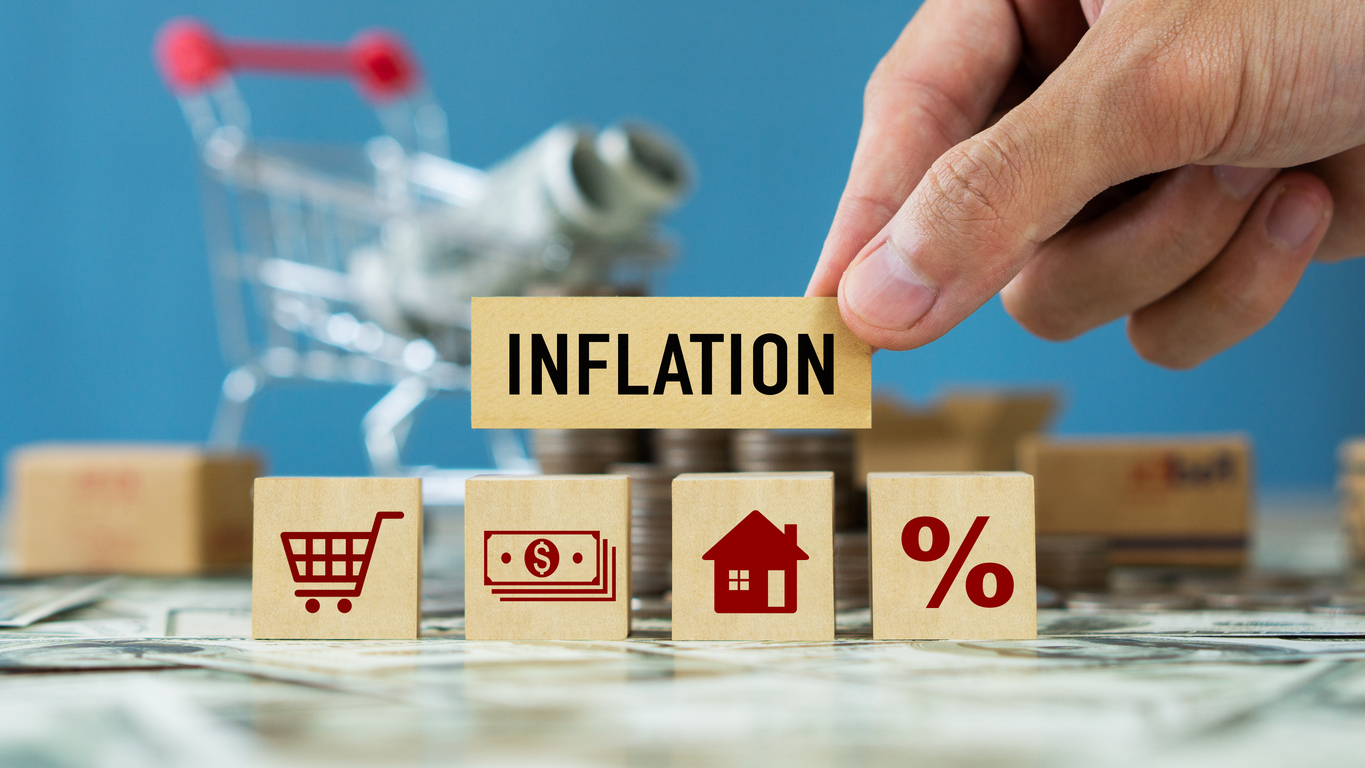
How Inflation Impacts Your Retirement Savings
Inflation is one of the most influential economic forces affecting long term financial security. Even small annual increases in the cost of living can significantly reduce the future value of savings and investments over the course of several decades. For individuals preparing for retirement, understanding how inflation affects purchasing power is essential. Without proper planning, the nest egg someone works so hard to build may fall short of supporting the lifestyle they envision. By recognizing the long term effects of inflation, people can take steps to preserve the value of their savings and approach retirement with confidence.
The Relationship Between Inflation and Purchasing Power
Inflation reduces the purchasing power of money over time. This means that the same amount of money buys fewer goods and services as the years pass. When individuals save for retirement, they are often planning decades into the future, which makes the impact of inflation even more significant. A retirement fund that appears substantial today may provide far less comfort thirty years from now if inflation is not accounted for. Many people underestimate this effect because inflation tends to rise slowly and steadily rather than all at once. Yet its long term influence is powerful and can reshape the financial landscape of retirement.
Why Retirement Savings Are Especially Vulnerable
Retirement savings are uniquely sensitive to inflation because retirees often rely on fixed sources of income. Pensions, annuities, and savings accounts typically provide stable amounts of money each year, while the cost of living continues to rise. Without investments that grow at a pace that exceeds inflation, retirees may find themselves stretching their income further than expected. Healthcare expenses also tend to increase at rates higher than general inflation, creating an additional financial burden. As people live longer and spend more years in retirement, the pressure that inflation places on long term savings becomes even more pronounced.
The Importance of Growth Oriented Investments
One of the most effective ways to address inflation is to invest in assets that have the potential to grow faster than the cost of living. While growth oriented investments may involve some level of risk, they can play an essential role in maintaining purchasing power over time. Stocks, diversified funds, and other investment vehicles with long term growth potential often outperform inflation. By incorporating these investments into a retirement strategy, individuals create a financial foundation that continues to strengthen as the years pass. Such strategies can also be part of broader guidance individuals receive during retirement planning, where tailored solutions help align investment choices with long term needs.
Monitoring Inflation Throughout the Retirement Journey
Inflation is not just a concern during the saving years. It continues to matter throughout retirement as well. Regularly reviewing and adjusting financial strategies ensures that retirees remain prepared for changes in the economy. This might involve reassessing investment allocations, exploring income sources that adjust for inflation, or revisiting long term spending plans. Staying informed about inflation trends helps individuals respond proactively rather than reactively. By treating retirement planning as an ongoing process rather than a one time task, people can better protect their financial security.
The Role of Social Security and Other Income Sources
Although Social Security provides cost of living adjustments that help offset inflation, these adjustments often do not fully match rising expenses. As a result, retirees should view Social Security as only one component of their income rather than their primary defense against inflation. Other sources of income may not adjust for inflation at all, which increases the importance of strategic financial planning. A balanced approach that combines multiple income streams, growth oriented investments, and regular reviews helps retirees maintain flexibility and stability. In communities where guidance like retirement planning in Avondale is available, individuals can benefit from professional insights tailored to the challenges of inflation.
Planning for Healthcare Costs and Long-Term Care
Healthcare costs present one of the biggest inflation related challenges in retirement. Medical expenses tend to rise faster than general inflation and can quickly consume a large portion of a retiree’s budget. Planning early for healthcare needs and long term care options helps individuals reduce financial stress later in life. This may involve exploring insurance coverage, estimating potential future costs, and setting aside dedicated savings for medical needs. Preparing for these expenses ensures that healthcare costs do not disrupt other aspects of retirement planning or diminish overall financial stability.
Conclusion
Inflation is an unavoidable part of life, but its impact on retirement savings does not have to be overwhelming. By understanding how inflation affects purchasing power, incorporating growth oriented investments, planning for healthcare needs, and reviewing strategies regularly, individuals can protect their long term financial security. Retirement becomes more stable and more enjoyable when these challenges are acknowledged and addressed with intention. With thoughtful preparation, people can approach the future with confidence, knowing their savings are positioned to support a fulfilling and comfortable retirement.
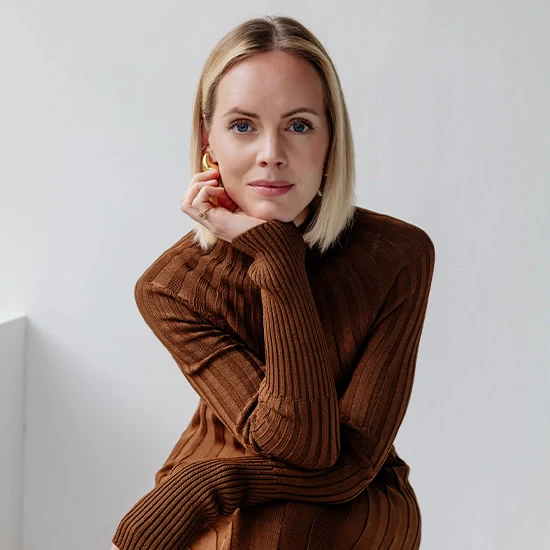
I’m Mathilde Lacombe, a French entrepreneur, beauty industry influencer, and founder of AIME. As a businesswoman and mom of three, I’ve built my career at the intersection of beauty, wellness, and entrepreneurship. Through my journey, I’ve learned how self-care, confidence, and mindful living play a vital role in both personal and professional success.
On this blog, I share insights from the world of beauty, wellness rituals I truly believe in, and honest lessons from building and growing a brand. From entrepreneurship to everyday inspiration, this space reflects everything I love and live by designed to empower women to feel their best, inside and out.